 Pocket Botanist
Plant guide
Canna lily.
Canna × generalis
Pronounced KAN-uh jen-er-AL-iss
Also known as Canna × generalis



Scan with your phone's camera to get the app
Or go to pocketbotanist.app/get on your phone
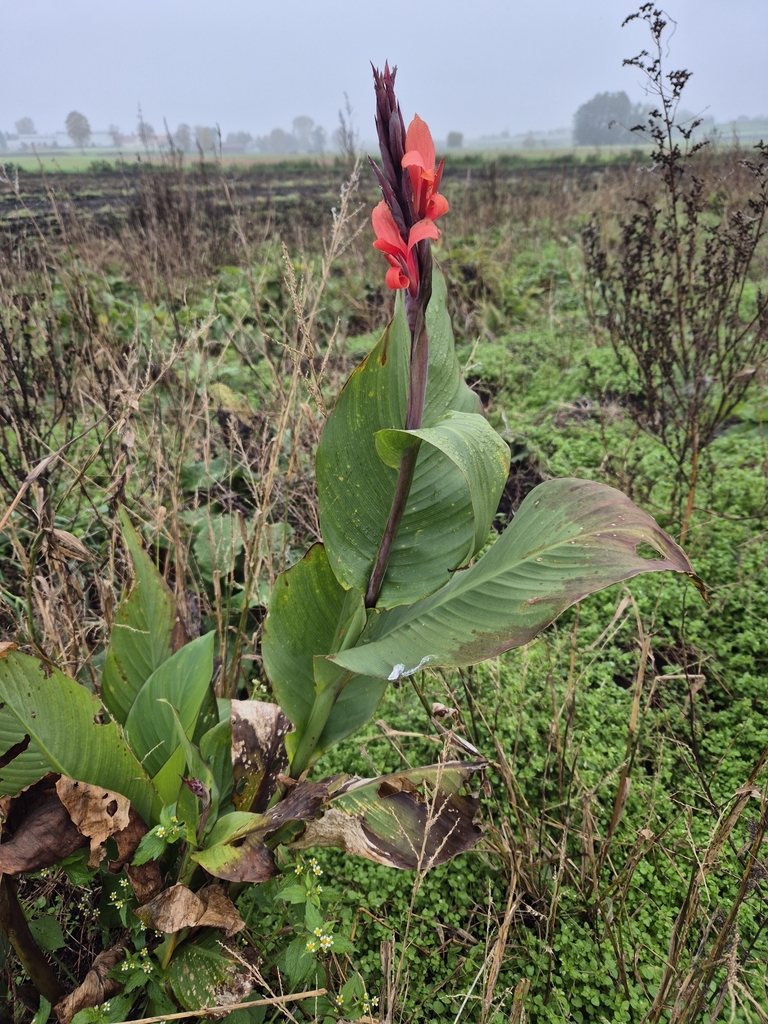
Canna lilies are showy tropical perennials known for their vibrant flowers and broad, paddle shaped leaves. They add a bold, architectural look to any garden space. You will love how they bring a touch of the tropics to your patio or flower bed.

At a glance
- Care level
- Easy
- Plant type
- Perennial
- Light
- Full sun
- Indoor light
- Direct sun
- Water
- Every 2 to 4 days
- Mature size
- 3 to 8 feet
- Growth rate
- Fast
- Hardiness
- USDA 7 to 11
- Bloom time
- Mid summer to late autumn
Care
Keep the soil consistently moist and provide plenty of sun to encourage blooming. Watch for yellowing leaves which often indicate the soil is too dry or lacks nutrients. Deadhead spent flowers to keep the plant looking tidy and to promote new growth.
- Watering
- Keep the soil evenly moist but not waterlogged.
- Feeding
- Apply a balanced liquid fertilizer during the active growing season.
- Pruning
- Remove faded flower stalks to encourage continuous blooming.
- Repotting
- Repot when the rhizomes become crowded in the container.
- Soil
- Rich, moist, well draining soil
- Soil pH
- 6.0 to 7.0
- Temperature
- 10 to 35°C
- Humidity
- 50 to 90%
- Drought tolerance
- Low
- Lifespan
- Perennial, typically 5 to 10 years with division.
- Deer and rabbits
- Moderate
Signs it needs repotting
- Roots growing out of the drainage holes
- Water running straight through the pot without soaking in
- Stunted growth during the peak season
Safety
- People
- The plant is generally considered non toxic to humans.
- Pets
- Canna lilies are generally considered non toxic to cats and dogs.
- Children
- The seeds are hard and round, posing a potential choking hazard if ingested by small children.
- Contact allergens
- The foliage can cause mild skin irritation in sensitive individuals.
- Airborne allergens
- There are no significant reports of respiratory allergies associated with this plant.
- Edibility
- The rhizomes are technically edible after thorough cooking, but they are not typically consumed and should be avoided due to potential confusion with toxic lookalikes.
How to identify it
- Large paddle shaped leaves
- Bright tubular flowers
- Thick underground rhizomes
- Tall upright growth habit
- Height
- 0.6 to 2m
- Spread
- 0.45 to 0.9m
- Leaves
- green, bronze, variegated, deciduous
- Flowers
- red, orange, yellow, pink, white, 5 to 15cm
- Fruit
- black, late autumn
Problems to watch for
- Canna leaf roller · Caterpillars that tie leaves together with silk and feed inside.
- Canna rust · Fungal infection causing small orange spots on the leaves.
Check your canna lily from a photo
Pocket Botanist looks at a photo of your plant and tells you what's wrong and what to try first.
Scan with your phone's camera to get the app
Or go to pocketbotanist.app/get on your phone
Growing it
- Propagation
- division, seed
- When to plant
- spring
- Overwintering
- In cold climates, cut the foliage back to the ground after the first frost. Carefully dig up the rhizomes, let them dry slightly, and store them in peat moss in a cool, frost free location until spring.
- In containers
- They grow very well in large containers, provided the pot is at least 40 centimeters wide to accommodate the vigorous rhizomes.
Rhizome Division
- 1. Dig up the clump in early spring before new growth begins.
- 2. Use a sharp, clean knife to cut the rhizome into sections.
- 3. Ensure each section has at least one healthy eye or bud.
- 4. Replant the sections about 10 centimeters deep in rich soil.
Pair cannas with plants that enjoy rich, moist soil to ensure everyone stays happy in the same bed.
Grows well with
- Coleus · They share similar moisture needs and provide a beautiful foliage contrast.
- Sweet Potato Vine · This trailing plant fills the space at the base of the tall canna stalks.
Similar species
- Ginger Lily · They share a similar tropical aesthetic and growth requirements.
Science
- Family
- Cannaceae
- Genus
- Canna
- Order
- Zingiberales
- Class
- Liliopsida
- Native range
- Tropical and subtropical Americas.
- Conservation
- This is a hybrid group and is not of conservation concern.
These plants thrive in wet, sunny areas where they can spread rapidly through their rhizomatous root systems.
- Value to wildlife
- nectar source
- Pollinators
- bees, butterflies, hummingbirds
- Uses
- ornamental border plant, container gardening, tropical garden accent
Through the year
Ecological indicators
- Salinity
- 2/9
- Soil reaction
- 6/9
- Light
- 8/9
- Temperature
- 7/9
- Moisture
- 7/9
- Nutrients
- 8/9
Taxonomy resolved against GBIF.
Questions people ask
- Do I need to dig them up in winter?
- If you live in a climate where the ground freezes, you should dig up the rhizomes and store them in a cool, dry place.
- How often should I water them?
- Keep the soil consistently moist, especially during the hot summer months.
Where the name comes from
The name Canna is derived from the Celtic word for a cane or reed, referring to the plant's growth habit.
Good to know
- Cannas have been cultivated for centuries, originally for their edible starchy rhizomes.
- Their large, paddle shaped leaves are excellent for adding a tropical feel to any garden.
- They are very heavy feeders and love plenty of compost and water.
- The name Canna comes from the Celtic word for cane or reed.
Keep your canna lily growing
This page is a general guide. Save your plant in Pocket Botanist and you get care reminders timed for this plant, plus a care history that shows what worked.
Scan with your phone's camera to get the app
Or go to pocketbotanist.app/get on your phone
This guide was generated with AI on and checked against GBIF taxonomy. It is general information, not horticultural or veterinary advice. Read about how we build these guides.