 Pocket Botanist
Plant guide
Wax Begonia.
Begonia semperflorens
Pronounced beh-GOH-nee-uh sem-per-FLOR-enz



Scan with your phone's camera to get the app
Or go to pocketbotanist.app/get on your phone
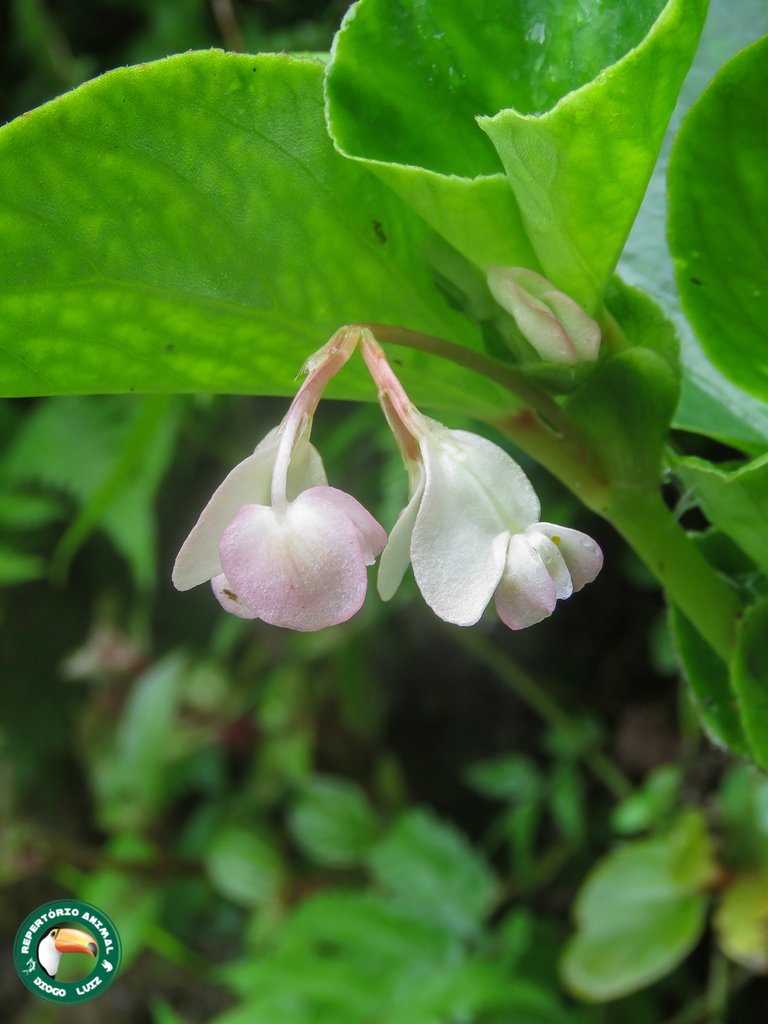
Wax begonias are cheerful, reliable plants that bring constant color to your garden or home. They are loved for their waxy leaves and clusters of small, vibrant flowers. You will find them very easy to grow as long as they get enough light.

At a glance
- Care level
- Easy
- Plant type
- Annual or tender perennial
- Light
- Partial shade to full sun
- Indoor light
- Bright indirect
- Water
- Every 3 to 7 days
- Mature size
- 12 inches
- Growth rate
- Medium
- Hardiness
- USDA 10 to 11
- Bloom time
- Spring to autumn
Care
Keep the soil consistently moist but never soggy to prevent root rot. Watch for drooping leaves, which often signal that the plant needs a drink. Deadhead spent blooms to encourage the plant to keep producing new flowers throughout the season.
- Watering
- Water when the top inch of soil feels dry to the touch.
- Feeding
- Use a balanced liquid fertilizer diluted to half strength during the growing season.
- Pruning
- Trim back leggy stems to maintain a bushy shape and remove faded flowers.
- Repotting
- Repot only if the plant becomes root bound or the soil loses its structure.
- Soil
- Well draining potting mix
- Soil pH
- 6.0 to 7.0
- Temperature
- 10 to 30°C
- Humidity
- 40 to 60%
- Drought tolerance
- Moderate
- Lifespan
- Perennial, often grown as an annual
- Deer and rabbits
- Moderate
Signs it needs repotting
- Roots growing out of the drainage holes
- Water running straight through the pot without soaking in
Safety
- People
- The plant contains insoluble calcium oxalates which can cause irritation if ingested.
- Pets
- This plant is toxic to cats and dogs if ingested, potentially causing irritation or vomiting.
- Children
- Keep this plant out of reach of small children as the leaves and stems can be irritating if chewed.
- Contact allergens
- The sap can cause mild skin irritation in sensitive individuals.
- Airborne allergens
- There are no significant airborne allergy risks associated with this plant.
- Edibility
- This plant is not intended for consumption and may cause digestive distress.
How to identify it
- Succulent, waxy, rounded leaves
- Small clusters of white, pink, or red flowers
- Compact, bushy growth habit
- Stems are fleshy and translucent
- Height
- 0.15 to 0.3m
- Spread
- 0.15 to 0.3m
- Leaves
- green, bronze, evergreen
- Flowers
- white, pink, red, 2 to 4cm
Problems to watch for
- Powdery mildew · A white fungal growth appears on leaves due to poor air circulation.
- Botrytis blight · Gray mold develops on stems and flowers in cool, damp conditions.
Check your wax begonia from a photo
Pocket Botanist looks at a photo of your plant and tells you what's wrong and what to try first.
Scan with your phone's camera to get the app
Or go to pocketbotanist.app/get on your phone
Growing it
- Propagation
- cuttings, seed
- When to plant
- spring
- Overwintering
- Bring containers indoors before the first frost and place them in a bright, cool spot. Reduce watering significantly during the winter months.
- In containers
- They are excellent in containers, provided the pot has good drainage holes.
Stem Cuttings
- 1. Snip a 4 inch stem just below a leaf node.
- 2. Remove the lower leaves.
- 3. Place the cutting in moist potting mix.
- 4. Keep it in bright, indirect light until rooted.
Pair these with plants that have contrasting foliage textures to make their waxy leaves pop.
Grows well with
Similar species
- Tuberous Begonia · These have much larger, showier flowers but require more shade.
Science
- Family
- Begoniaceae
- Genus
- Begonia
- Order
- Cucurbitales
- Class
- Magnoliopsida
- Native range
- Brazil
- Conservation
- This plant is widely cultivated and not of conservation concern.
It thrives in tropical understories where it benefits from dappled light and consistent moisture.
- Value to wildlife
- nectar source
- Pollinators
- bees
- Uses
- bedding plant, container plant, hanging baskets
Through the year
Ecological indicators
- Salinity
- 2/9
- Soil reaction
- 5/9
- Light
- 5/9
- Temperature
- 7/9
- Moisture
- 6/9
- Nutrients
- 5/9
Taxonomy resolved against GBIF.
Questions people ask
- Can I grow these in full sun?
- Yes, they handle full sun well if they have enough moisture.
- Do I need to deadhead them?
- No, they are self cleaning and will drop their old flowers.
Where the name comes from
The genus honors Michel Begon, a French patron of botany, while the species name refers to its continuous blooming habit.
Good to know
- Wax begonias are technically perennials but are usually grown as annuals.
- They are incredibly resilient in both sun and shade.
- The leaves have a waxy coating that helps them retain moisture.
- They were first introduced to Europe from Brazil in the 1820s.
Also in
Keep your wax begonia growing
This page is a general guide. Save your plant in Pocket Botanist and you get care reminders timed for this plant, plus a care history that shows what worked.
Scan with your phone's camera to get the app
Or go to pocketbotanist.app/get on your phone
This guide was generated with AI on and checked against GBIF taxonomy. It is general information, not horticultural or veterinary advice. Read about how we build these guides.