 Pocket Botanist
Plant guide
Wax Begonia.
Begonia cucullata
Pronounced beh-GOH-nee-uh koo-kuh-LAY-tuh
Also known as Clubbed begonia, Clubed Begonia, Wax begonia, Clubed begonia, wax begonia



Scan with your phone's camera to get the app
Or go to pocketbotanist.app/get on your phone
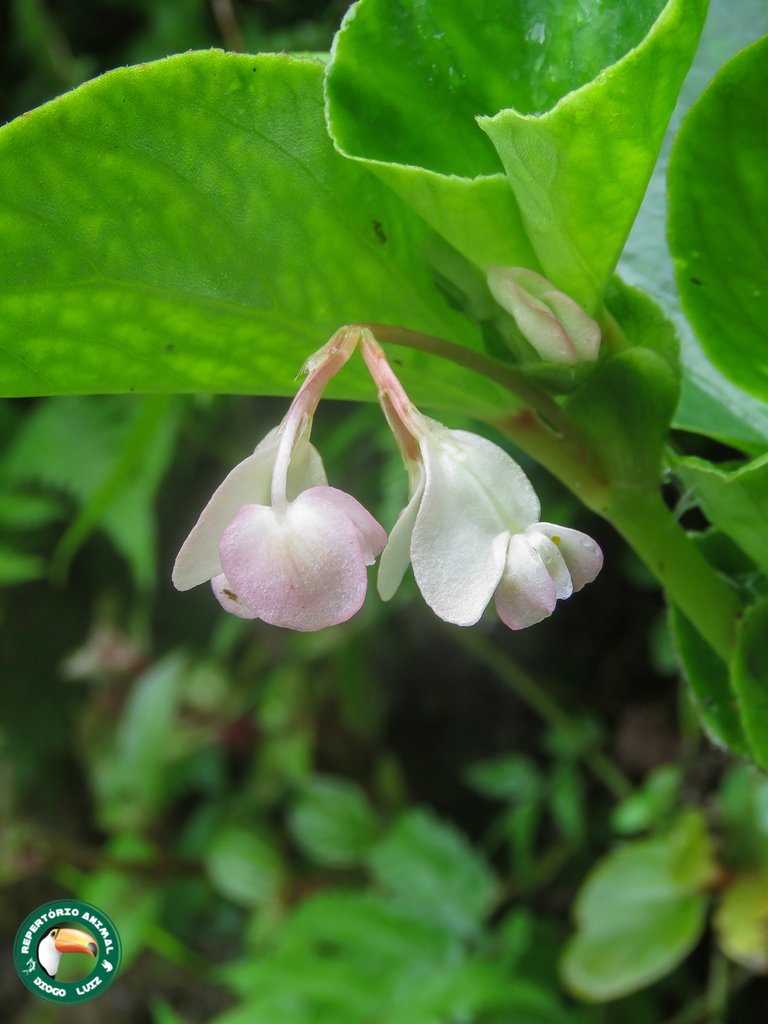
The wax begonia is a charming, compact plant that brings constant color to your home or garden. It is well loved for its waxy, succulent leaves and continuous blooms. You will find it is a very reliable performer in both containers and beds.
At a glance
- Care level
- Easy
- Plant type
- Perennial
- Light
- Partial shade to full sun
- Indoor light
- Bright indirect
- Water
- Every 3 to 7 days
- Mature size
- 12 inches
- Growth rate
- Medium
- Hardiness
- USDA 10 to 11
- Bloom time
- Spring to autumn
Care
Keep the soil consistently moist but never waterlogged to avoid root rot. Watch for yellowing leaves, which often signal that the plant is getting too much water. Pinch back the stems occasionally to encourage a fuller, bushier shape.
- Watering
- Water when the top inch of soil feels dry to the touch.
- Feeding
- Use a balanced liquid fertilizer diluted to half strength during the growing season.
- Pruning
- Trim back leggy stems to keep the plant compact and encourage more flowers.
- Repotting
- Repot only when the roots have filled the current container.
- Soil
- Well draining, organic rich potting mix
- Soil pH
- 5.5 to 6.5
- Temperature
- 10 to 30°C
- Humidity
- 50 to 70%
- Drought tolerance
- Low
- Lifespan
- Tender perennial, often grown as an annual.
- Deer and rabbits
- Moderate
Signs it needs repotting
- Roots growing out of the drainage holes.
- Water running straight through the pot without soaking in.
Safety
- People
- The plant contains insoluble calcium oxalate crystals that can cause mouth and throat irritation if eaten.
- Pets
- This plant is toxic to cats and dogs if ingested.
- Children
- Keep this plant away from small children as the leaves and stems can be a choking hazard or cause irritation if chewed.
- Contact allergens
- The sap can cause mild skin irritation in sensitive individuals.
- Airborne allergens
- There are no significant airborne allergen risks associated with this plant.
- Edibility
- This plant is not intended for consumption and may cause irritation if ingested.
How to identify it
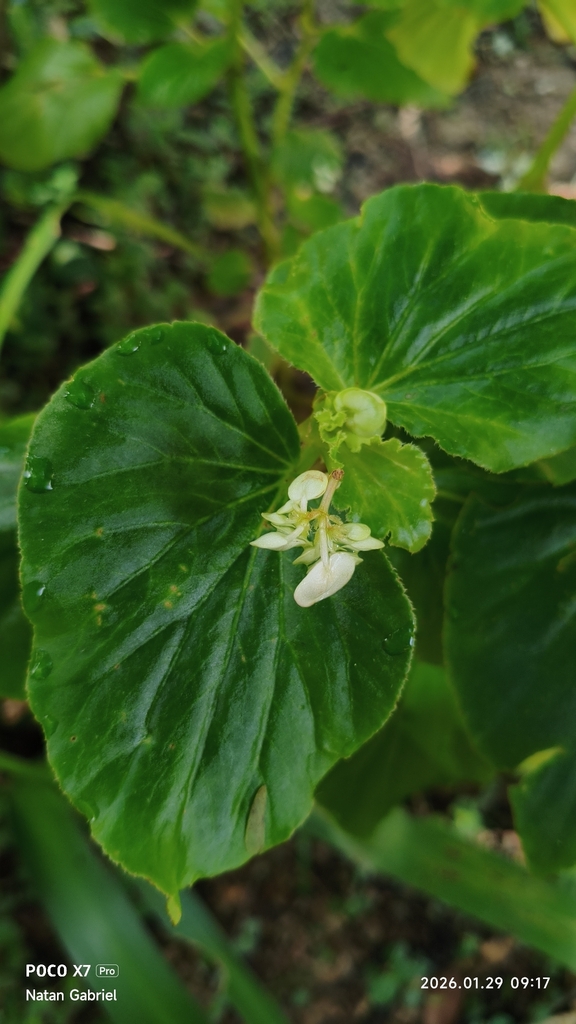
- Glossy, succulent, rounded leaves
- Small, four petaled flowers
- Compact, bushy growth habit
- Stems are fleshy and brittle
- Height
- 0.15 to 0.3m
- Spread
- 0.15 to 0.3m
- Leaves
- green, bronze, semi-evergreen
- Flowers
- pink, white, red, 1 to 3cm
Problems to watch for
- Powdery mildew · A white fungal growth appears on leaves when air circulation is poor.
- Botrytis blight · Gray mold develops on stems and flowers in overly damp conditions.
Check your wax begonia from a photo
Pocket Botanist looks at a photo of your plant and tells you what's wrong and what to try first.
Scan with your phone's camera to get the app
Or go to pocketbotanist.app/get on your phone
Growing it
- Propagation
- cuttings, seed, division
- When to plant
- spring
- Overwintering
- Bring containers indoors before the first frost. Keep the soil slightly drier during the winter months while the plant is resting.
- In containers
- It is excellent for containers, provided the pot has good drainage and is at least 15 cm wide.
Stem cuttings
- 1. Snip a 10 cm stem cutting just below a leaf node.
- 2. Remove the lower leaves.
- 3. Place the stem in a glass of water or moist potting mix.
- 4. Keep in bright, indirect light until roots form.
Group these with other moisture loving plants to maintain a consistent microclimate.
Grows well with
Similar species
- Tuberous Begonia · It has much larger, showier flowers but requires more careful watering.
Science
- Family
- Begoniaceae
- Genus
- Begonia
- Order
- Cucurbitales
- Class
- Magnoliopsida
- Native range
- South America, specifically Brazil and Argentina.
- Conservation
- This species is widespread and not of conservation concern.
It grows naturally in moist, shaded areas along stream banks and forest edges.
- Value to wildlife
- nectar source
- Pollinators
- bees
- Uses
- bedding plant, container plant, border edging
Through the year
Ecological indicators
- Salinity
- 2/9
- Soil reaction
- 5/9
- Light
- 5/9
- Temperature
- 7/9
- Moisture
- 6/9
- Nutrients
- 5/9
Taxonomy resolved against GBIF.
Questions people ask
- Can I grow this indoors?
- Yes, it makes a lovely houseplant if placed in a bright, indirect light spot.
- Does it need deadheading?
- It is self cleaning, so you do not need to remove old flowers.
Where the name comes from
The name Begonia honors Michel Begon, a French patron of botany, while cucullata refers to the hooded shape of the leaves.
Good to know
- It is incredibly resilient and thrives in both sun and shade.
- The leaves often turn a deep bronze color when exposed to bright sunlight.
- It is a classic choice for hanging baskets and window boxes.
- The flowers are small but appear in such abundance that they cover the plant.
Also in
Keep your wax begonia growing
This page is a general guide. Save your plant in Pocket Botanist and you get care reminders timed for this plant, plus a care history that shows what worked.
Scan with your phone's camera to get the app
Or go to pocketbotanist.app/get on your phone
This guide was generated with AI on and checked against GBIF taxonomy. It is general information, not horticultural or veterinary advice. Read about how we build these guides.