 Pocket Botanist
Plant guide
Calico Plant.
Alternanthera bettzickiana
Pronounced al-ter-NAN-ther-uh bet-zik-ee-AH-nuh
Also known as calico-plant



Scan with your phone's camera to get the app
Or go to pocketbotanist.app/get on your phone
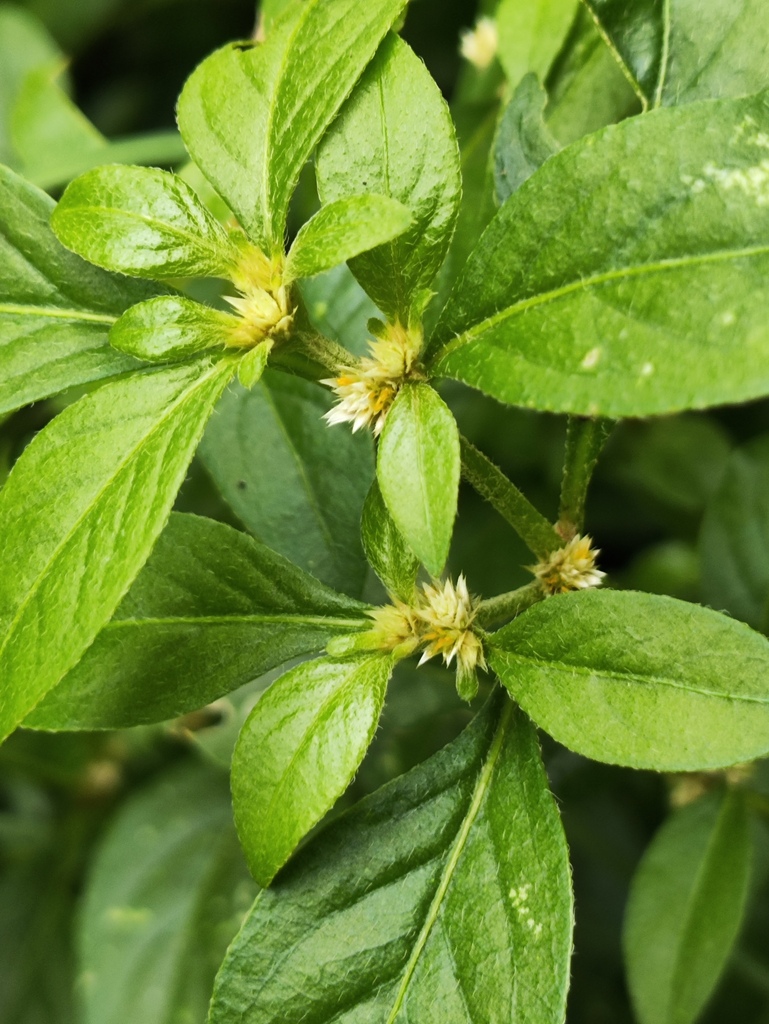
The Calico Plant is a vibrant tropical perennial known for its striking, colorful foliage. It adds a splash of red, pink, or yellow to any garden or indoor space. You will love how its leaves brighten up a room.

At a glance
- Care level
- Moderate
- Plant type
- Tropical perennial
- Light
- Partial shade to full sun
- Indoor light
- Bright indirect
- Water
- Every 3 to 7 days
- Mature size
- 12 to 18 inches
- Growth rate
- Medium
- Hardiness
- USDA 10 to 12
- Bloom time
- Rarely blooms in cultivation
Care
Keep the soil consistently moist but never soggy to prevent root issues. Watch for wilting leaves, which often signal that the plant needs a drink. Provide plenty of bright light to maintain those beautiful leaf colors.
- Watering
- Water when the top inch of soil feels dry to the touch.
- Feeding
- Feed with a balanced liquid fertilizer during the active growing season.
- Pruning
- Trim back the stems regularly to encourage a bushier shape.
- Repotting
- Repot when the roots become crowded or the plant stops growing.
- Soil
- Well-draining, fertile potting mix
- Soil pH
- 6.0 to 7.0
- Temperature
- 15 to 30°C
- Humidity
- 60 to 90%
- Drought tolerance
- Low
- Lifespan
- Perennial, typically 2 to 3 years in garden settings.
- Deer and rabbits
- Moderate
Signs it needs repotting
- Roots growing out of the drainage holes
- Water running straight through the pot
- Stunted growth during the active season
Safety
- People
- There are no reports of significant human toxicity, but it is not intended for consumption.
- Pets
- This plant is generally considered non-toxic to cats and dogs.
- Children
- Keep out of reach of small children to prevent accidental ingestion of plant material.
- Edibility
- This plant is not considered edible and should not be consumed.
How to identify it
- Variegated leaves in red, pink, and yellow
- Compact and bushy growth habit
- Opposite leaf arrangement on stems
- Small, inconspicuous white flowers
- Height
- 0.15 to 0.3m
- Spread
- 0.2 to 0.4m
- Leaves
- red, yellow, green, pink, evergreen
- Flowers
- white, 0.5 to 1cm
Problems to watch for
- Root rot · Occurs when soil remains waterlogged for extended periods.
- Aphids · Small insects that cluster on new growth and suck plant sap.
Check your calico plant from a photo
Pocket Botanist looks at a photo of your plant and tells you what's wrong and what to try first.
Scan with your phone's camera to get the app
Or go to pocketbotanist.app/get on your phone
Growing it
- Propagation
- cuttings, division
- When to plant
- spring, summer
- Overwintering
- Bring containers indoors before the first frost. Keep the plant in a warm, bright spot and reduce watering slightly during the winter months.
- In containers
- It grows very well in containers, provided the pot has good drainage and is at least 15 cm wide.
Stem Cuttings
- 1. Take a 10 cm cutting from a healthy stem.
- 2. Remove the lower leaves.
- 3. Place the cutting in a glass of water or moist potting mix.
- 4. Keep in bright, indirect light until roots appear.
Group this plant with others that prefer consistent moisture to simplify your watering routine.
Grows well with
Similar species
- Joseph's Coat · It is a close relative with similar growth habits and colorful foliage.
Science
- Family
- Amaranthaceae
- Genus
- Alternanthera
- Order
- Caryophyllales
- Class
- Magnoliopsida
- Native range
- Tropical South America
- Conservation
- This plant is not listed as threatened or endangered in its native range.
It grows as a low, spreading herb in moist, warm tropical forest understories.
- Uses
- bedding plant, container accent, border edging, foliage display
Through the year
Ecological indicators
- Salinity
- 2/9
- Soil reaction
- 6/9
- Light
- 6/9
- Temperature
- 8/9
- Moisture
- 7/9
- Nutrients
- 6/9
Taxonomy resolved against GBIF.
Questions people ask
- Does it need full sun?
- It prefers bright, indirect light to maintain its best leaf color.
- How often should I water it?
- Keep the soil consistently moist but never soggy.
Where the name comes from
The name Alternanthera refers to the alternating stamens, while the species name honors the botanist Bettzick.
Good to know
- It is commonly called the calico plant due to its multicolored leaves.
- The genus name comes from the Latin alternans, referring to the alternate arrangement of the flowers.
- It thrives in tropical climates and is often used as a colorful groundcover.
Keep your calico plant growing
This page is a general guide. Save your plant in Pocket Botanist and you get care reminders timed for this plant, plus a care history that shows what worked.
Scan with your phone's camera to get the app
Or go to pocketbotanist.app/get on your phone
This guide was generated with AI on and checked against GBIF taxonomy. It is general information, not horticultural or veterinary advice. Read about how we build these guides.