 Pocket Botanist
Guide botanique
Orange Rose.
Rosa cv.
Prononciation ROH-zah see-vee-ay
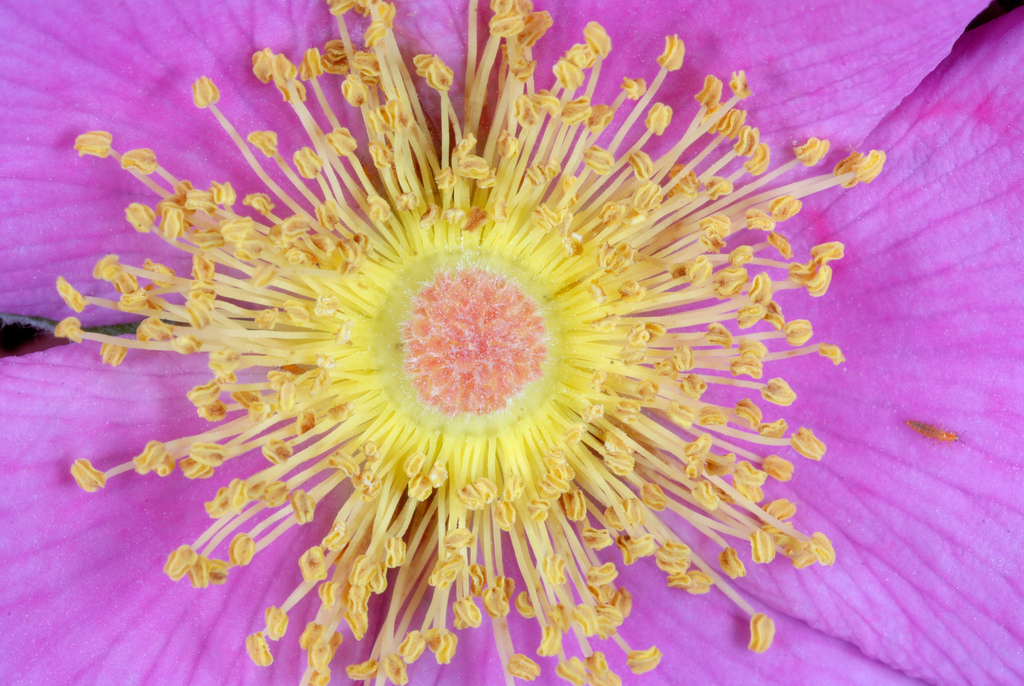
These popular flowering shrubs are prized for their beautiful, fragrant blooms in shades of orange. They are a classic choice for gardens and bouquets, adding color and charm.
En un coup d'œil
- Care level
- Moderate
- Plant type
- Shrub
- Light
- Full sun
- Indoor light
- direct
- Mature size
- Varies by cultivar, typically 3-15 feet tall and wide
- Growth rate
- medium
Entretien
Plant in well-draining soil and provide at least six hours of direct sunlight daily. Water regularly, especially during dry periods, and prune annually to encourage flowering and shape. Watch for common pests like aphids and fungal diseases.
- Soil
- Well-draining, loamy soil
- Soil pH
- Slightly acidic to neutral (6.0-7.0)
Sécurité
- People
- Rose hips are generally safe for consumption. Other parts may cause mild stomach upset if ingested.
- Pets
- May cause mild gastrointestinal upset if ingested.
- Edibility
- Rose hips are edible and high in Vitamin C, but some parts of the plant may be toxic.
Comment l'identifier
- Thorny stems
- Compound leaves
- Multi-petaled flowers
- Vibrant orange color
- Distinctive rose fragrance
Bonnes associations
- Lavender — Lavender helps deter pests like aphids from roses and enjoys similar growing conditions.
- Garlic — Garlic can help repel certain insects that might bother roses.
- Marigolds — Marigolds are known to deter nematodes and some flying insects.
À éloigner de
- Mint — Mint can be highly invasive and may compete aggressively for resources, potentially stressing the rose.
- Tomato — Tomatoes and roses can share some diseases, like fungal infections, which could spread between them.
Espèces similaires
- Pink Rose — Similar growth habit and care requirements, differing mainly in flower color.
- Red Rose — Closely related cultivars with comparable needs, differing only in bloom coloration.
- Yellow Rose — Identical care needs and growth patterns, distinguished by their golden-hued flowers.
Bon à savoir
- Roses have been cultivated for thousands of years and are symbols of love and beauty in many cultures.
Ton orange rose a mauvaise mine ?
Cette page est un guide général. Pocket Botanist diagnostique les problèmes directement à partir d'une photo de ta plante, adapte l'arrosage à sa luminosité et te prévient quand il faut t'en occuper.
Ce guide a été généré par IA et vérifié avec la taxonomie du GBIF. Il s'agit d'informations générales, et non de conseils horticoles ou vétérinaires. Découvre comment nous concevons ces guides.