 Pocket Botanist
Guide botanique
Pachira.
Pachira aquatica
Prononciation pah-KEE-ruh ah-KWA-ti-kuh
Aussi appelée Châtaigne de Guyane, Châtaigne de Malabar, Pachira, Châtaigne de Malabar, cacahuète de France, châtaigne de Guyane, arbre provision, noix de Saba, Châtaigne de Malabar



Le Pachira est une plante d'intérieur populaire connue pour son tronc tressé et ses feuilles semblables à des palmiers. Il prospère dans des conditions chaudes et humides et est souvent associé à la chance. Vous constaterez que c'est une excellente pièce maîtresse pour votre maison ou votre bureau.
En un coup d'œil
- Niveau d'entretien
- Facile
- Type de plante
- Arbre tropical à feuilles persistantes
- Lumière
- Une lumière vive et indirecte est préférable.
- Lumière en intérieur
- Lumière vive indirecte
- Arrosage
- Tous les 7 à 14 jours
- Taille adulte
- Jusqu'à 2 mètres à l'intérieur.
- Croissance
- Moyenne
- Rusticité
- USDA 10 à 12
- Floraison
- Fin du printemps à l'été
Entretien
Gardez le sol constamment humide mais jamais détrempé pour éviter la pourriture des racines. Surveillez le jaunissement des feuilles comme signe d'arrosage excessif ou le flétrissement des feuilles si elle a besoin de plus d'hydratation. Il préfère des températures stables, à l'abri des courants d'air froids ou des bouches de chauffage.
- Arrosage
- Arrosez lorsque les quelques centimètres supérieurs du sol sont secs au toucher.
- Engrais
- Utilisez un engrais liquide équilibré pendant la saison de croissance.
- Taille
- Taillez les tiges longues au début du printemps pour encourager une croissance plus touffue.
- Rempotage
- Rempotez tous les quelques années lorsque la plante devient à l'étroit dans son pot.
- Sol
- Mélange de terreau à base de tourbe bien drainant.
- pH du sol
- 6.0 à 7.5
- Température
- 15 à 30°C
- Humidité
- 50 à 80%
- Résistance à la sécheresse
- Faible
- Durée de vie
- Vivace, peut vivre plusieurs décennies dans des conditions idéales.
- Parfum
- Fort
- Résistance aux chevreuils et lapins
- Moyenne
Signes qu'il faut rempoter
- Les racines sortent des trous de drainage.
- L'eau traverse directement le sol sans s'infiltrer.
- Croissance ralentie pendant la saison active.
Sécurité
- Humains
- La plante est généralement considérée comme non toxique pour l'homme, bien que l'ingestion de grandes quantités de matière végétale ne soit pas recommandée.
- Animaux
- Cette plante est généralement considérée comme non toxique pour les chats et les chiens.
- Enfants
- La plante est sans danger pour les enfants, mais les grands pots lourds peuvent basculer s'ils ne sont pas sécurisés.
- Allergènes de contact
- La sève peut provoquer une légère irritation cutanée chez les personnes sensibles.
- Allergènes aéroportés
- Aucun allergène aérien notable n'est associé à cette plante.
- Comestibilité
- Les graines sont comestibles une fois rôties ou frites, mais ne doivent pas être consommées crues en raison de facteurs anti-nutritionnels potentiels.
Comment l'identifier
- Tronc tressé souvent avec plusieurs tiges
- Feuilles composées palmées à cinq folioles
- Feuillage vert foncé et brillant
- Grandes fleurs voyantes avec de longues étamines
- Hauteur
- 1,8 à 6m
- Envergure
- 1,5 à 3m
- Feuilles
- vert foncé, evergreen
- Fleurs
- blanc, jaunâtre, 15 à 25cm
- Fruits
- brun, Automne
Problèmes à surveiller
- Pourriture des racinesCourant
- TétranyquesCourant
- Chute des feuillesPeu courant
- CochenillesPeu courant
- Cochenilles farineusesPeu courant
- Mouches du terreauPeu courant
- Acariens — Minuscules parasites qui prospèrent dans l'air intérieur sec et provoquent le jaunissement des feuilles.
Vérifie la santé de ta plante en photo
Pocket Botanist analyse une photo de ta plante et te dit ce qui ne va pas et quoi essayer en premier.
La cultiver
- Multiplication
- boutures, graine
- Quand planter
- printemps, été
- Hivernage
- Rentrez la plante à l'intérieur avant que les températures ne descendent en dessous de 15 degrés Celsius. Réduisez l'arrosage pendant les mois plus frais lorsque la croissance ralentit.
- En pot
- Elle est excellente pour les conteneurs, mais assurez-vous que le pot a des trous de drainage et qu'il est suffisamment grand pour supporter le système racinaire.
Boutures de tige
- 1. Prélevez une bouture de 15 centimètres sur une tige saine et non florifère.
- 2. Retirez les feuilles inférieures et trempez l'extrémité coupée dans de l'hormone d'enracinement.
- 3. Placez la bouture dans un mélange de terreau humide et bien drainant.
- 4. Couvrez avec un sac en plastique pour maintenir une humidité élevée.
- 5. Gardez à la lumière vive et indirecte jusqu'à ce que les racines se forment.
Regroupez les plantes ayant des besoins en eau similaires pour faciliter la gestion de l'humidité du sol.
Bonnes associations
- Spathiphyllum — Ils partagent des exigences similaires en matière d'humidité élevée et de lumière indirecte.
- Fougère de Boston — Les fougères fournissent un sous-bois luxuriant et tropical qui complète la structure de l'arbre.
Espèces similaires
- Pachira glabra — Elle est très similaire en apparence mais présente des caractéristiques de fruits légèrement différentes.
Science
- Famille
- Malvaceae
- Genre
- Pachira
- Ordre
- Malvales
- Classe
- Magnoliopsida
- Région d'origine
- Amérique centrale et du Sud
- Préservation
- Cette espèce est répandue et ne fait actuellement pas l'objet de préoccupations en matière de conservation.
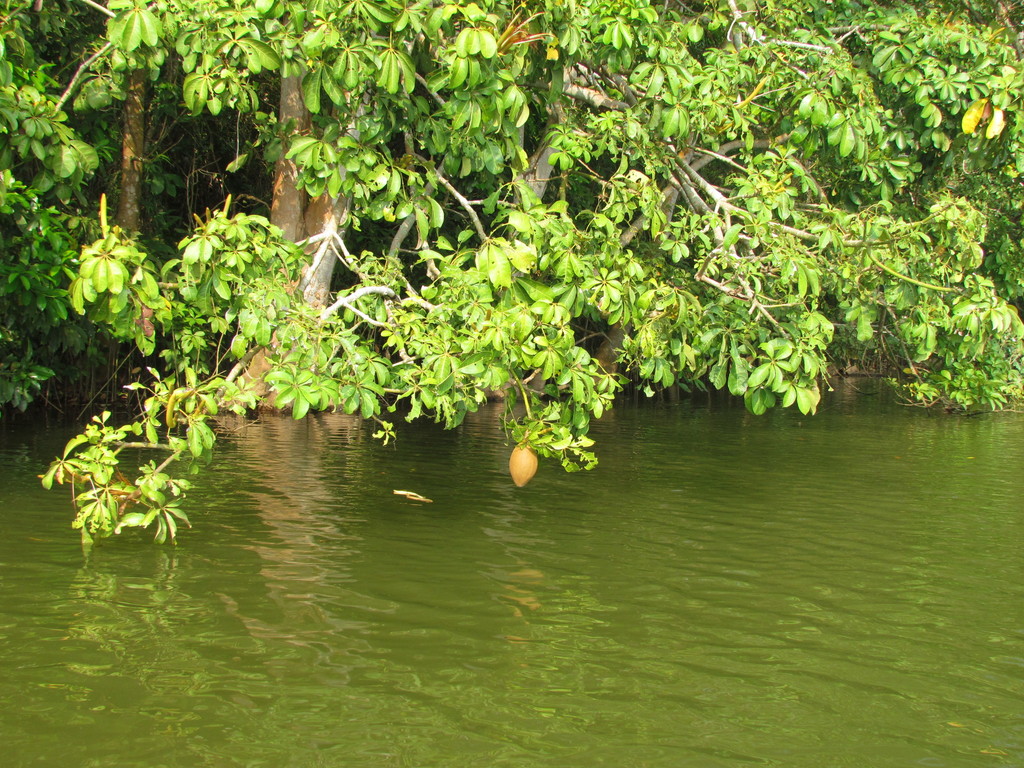
Il prospère dans les environnements marécageux et riverains où il peut tolérer des inondations périodiques.
- Intérêt pour la faune
- source de nectar
- Pollinisateurs
- abeilles, papillons de nuit, bats
- Utilisations
- plante d'intérieur ornementale, graines comestibles, sujet bonsaï
Au fil des saisons
Repères écologiques
- Salinité
- 2/9
- Température
- 8/9
- Réaction du sol
- 6/9
- Lumière
- 6/9
- Humidité
- 7/9
- Nutriments
- 5/9
Taxonomie vérifiée avec le GBIF.
Ce qu'on demande souvent
- Pourquoi les feuilles jaunissent-elles ?
- Le jaunissement des feuilles indique souvent un arrosage excessif ou un mauvais drainage.
- A-t-il besoin de soleil direct ?
- Il préfère une lumière vive et indirecte pour conserver son feuillage vert luxuriant.
D'où vient le nom
Le nom du genre Pachira vient d'un nom local guyanais, tandis qu'aquatica fait référence à son habitat naturel dans les zones humides.
Bon à savoir
- On l'appelle couramment l'arbre à argent à cause d'une légende sur un pauvre homme qui est devenu riche après l'avoir cultivé.
- Dans son habitat naturel, il pousse dans les marais et peut atteindre une hauteur de 18 mètres.
- Les fleurs sont assez spectaculaires, avec de longs étamines filiformes qui ressemblent à un blaireau.
Garde ta plante en pleine forme
Cette page est un guide général. Enregistre ta plante dans Pocket Botanist et tu reçois des rappels d'entretien adaptés à cette plante, ainsi qu'un historique d'entretien qui montre ce qui a marché.
Ce guide a été généré par IA et vérifié avec la taxonomie du GBIF. Il s'agit d'informations générales, et non de conseils horticoles ou vétérinaires. Découvre comment nous concevons ces guides.