 Pocket Botanist
Guía de plantas
Pachira.
Pachira aquatica
Pronunciación pah-KEE-ruh ah-KWA-ti-kuh
También se conoce como Pachira, Pachira, Pachira, pacay, castaña de Guayana, castaña de la India, castaña de Malabar, Pachira



El árbol del dinero es una planta de interior popular conocida por su tronco trenzado y sus hojas parecidas a las de una palmera. Prospera en condiciones cálidas y húmedas y a menudo se asocia con la buena suerte. Te darás cuenta de que es una pieza de gran impacto para tu hogar u oficina.
De un vistazo
- Nivel de cuidados
- Fácil
- Tipo de planta
- Árbol tropical de hoja perenne
- Luz
- La luz brillante indirecta es lo mejor.
- Luz en interior
- Luz indirecta brillante
- Riego
- Cada 7 a 14 días
- Tamaño adulto
- Hasta 2 metros en interiores.
- Ritmo de crecimiento
- Medio
- Rusticidad
- USDA 10 a 12
- Floración
- Finales de primavera a verano
Cuidados
Mantén la tierra constantemente húmeda pero nunca empapada para prevenir la pudrición de las raíces. Observa las hojas amarillentas como señal de exceso de riego o las hojas caídas si necesita más hidratación. Prefiere temperaturas estables, lejos de corrientes de aire frío o rejillas de calefacción.
- Riego
- Riega cuando los primeros centímetros de tierra se sientan secos al tacto.
- Abonado
- Usa un fertilizante líquido equilibrado durante la temporada de crecimiento.
- Poda
- Poda los tallos largos a principios de primavera para fomentar un crecimiento más frondoso.
- Trasplante
- Trasplanta cada pocos años cuando la planta tenga las raíces apretadas.
- Suelo
- Mezcla para macetas a base de turba, que drene bien.
- pH del suelo
- 6.0 a 7.5
- Temperatura
- 15 a 30°C
- Humedad
- 50 a 80%
- Tolerancia a la sequía
- Baja
- Longevidad
- Perenne, puede vivir muchas décadas en condiciones ideales.
- Fragancia
- Intensa
- Resistencia a ciervos y conejos
- Moderada
Señales de que necesita trasplante
- Raíces que crecen fuera de los orificios de drenaje.
- El agua corre directamente a través de la tierra sin empaparse.
- Crecimiento atrofiado durante la temporada activa.
Seguridad
- Personas
- La planta generalmente se considera no tóxica para los humanos, aunque no se recomienda la ingestión de grandes cantidades de material vegetal.
- Mascotas
- Esta planta generalmente se considera no tóxica para gatos y perros.
- Niños
- La planta es segura para los niños, pero las macetas grandes y pesadas pueden ser un peligro de vuelco si no se aseguran.
- Alérgenos por contacto
- La savia puede causar irritación leve de la piel en personas sensibles.
- Alérgenos en el aire
- No hay alérgenos aéreos notables asociados con esta planta.
- Comestibilidad
- Las semillas son comestibles cuando se asan o fríen, pero no deben consumirse crudas debido a posibles factores antinutricionales.
Cómo identificarla
- Tronco trenzado, a menudo con múltiples tallos
- Hojas compuestas palmadas con cinco foliolos
- Follaje brillante, verde oscuro
- Flores grandes y vistosas con estambres largos
- Altura
- 1,8 a 6m
- Anchura
- 1,5 a 3m
- Hojas
- verde oscuro, perenne
- Flores
- blanco, amarillento, 15 a 25cm
- Frutos
- marrón, Otoño
Problemas a vigilar
- Araña rojaComún
- Podredumbre radicularComún
- Caída de hojasPoco común
- CochinillasPoco común
- Cochinillas algodonosasPoco común
- Moscas del mantilloPoco común
- Pudrición de raíz — Ocurre cuando el suelo se mantiene consistentemente anegado durante demasiado tiempo.
- Ácaros araña — Pequeñas plagas que prosperan en el aire interior seco y causan amarillamiento de las hojas.
Por síntoma
Revisa tu pachira con una foto
Pocket Botanist mira una foto de tu planta y te dice qué le pasa y qué probar primero.
Cómo cultivarla
- Propagación
- esquejes, semilla
- Cuándo plantar
- primavera, verano
- Cuidados en invierno
- Trae la planta al interior antes de que las temperaturas caigan por debajo de los 15 grados Celsius. Reduce el riego durante los meses más fríos cuando el crecimiento se ralentiza.
- En maceta
- Es excelente para contenedores, pero asegúrate de que la maceta tenga orificios de drenaje y sea lo suficientemente grande para soportar el sistema radicular.
Esquejes de tallo
- 1. Toma un esqueje de 15 centímetros de un tallo sano y no florido.
- 2. Retira las hojas inferiores y sumerge el extremo cortado en hormona de enraizamiento.
- 3. Coloca el esqueje en una mezcla de tierra húmeda y bien drenada.
- 4. Cubre con una bolsa de plástico para mantener una alta humedad.
- 5. Mantén a la luz brillante e indirecta hasta que se formen las raíces.
Agrupa plantas con necesidades de agua similares para facilitar la gestión de la humedad del suelo.
Buenas compañeras
- Spathiphyllum — Comparten requisitos similares de alta humedad y luz indirecta.
- Helecho de Boston — Los helechos proporcionan un sotobosque exuberante y tropical que complementa la estructura del árbol.
Especies parecidas
- Pachira glabra — Es muy similar en apariencia, pero tiene características de fruto ligeramente diferentes.
Ciencia
- Familia
- Malvaceae
- Género
- Pachira
- Orden
- Malvales
- Clase
- Magnoliopsida
- Distribución natural
- América Central y del Sur
- Conservación
- Esta especie está muy extendida y no es de preocupación de conservación actualmente.
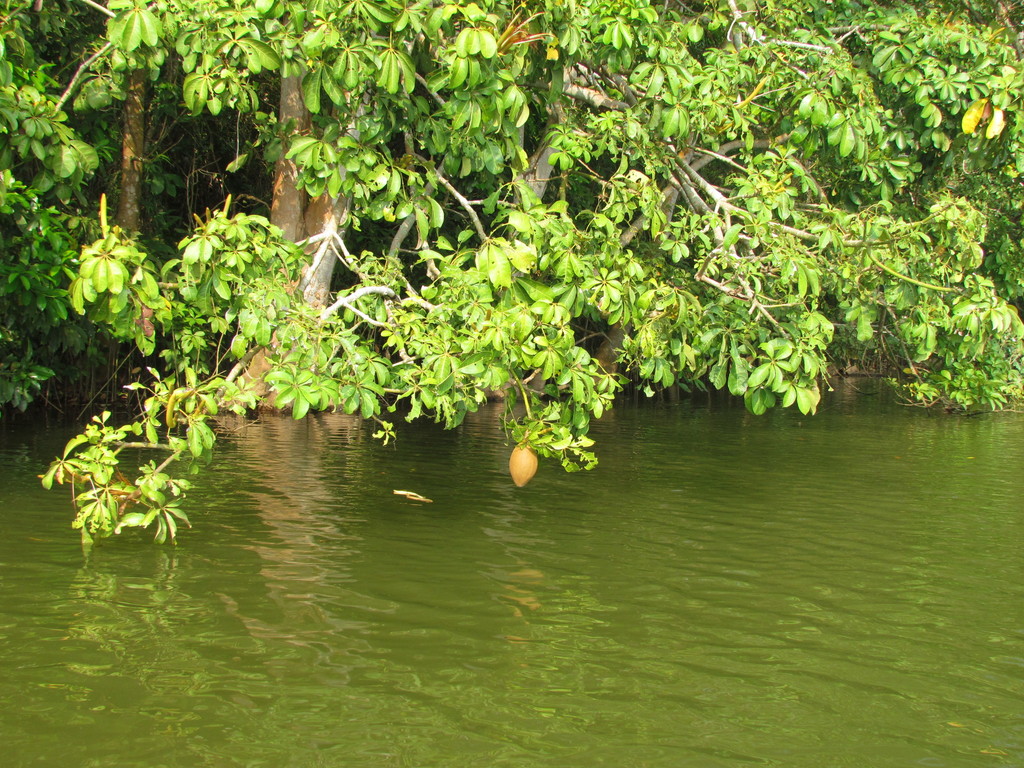
Prospera en ambientes pantanosos y ribereños donde puede tolerar inundaciones periódicas.
- Valor para la fauna
- fuente de néctar
- Polinizadores
- abejas, polillas, bats
- Usos
- planta de interior ornamental, semillas comestibles, sujeto de bonsái
A lo largo del año
Indicadores ecológicos
- Salinidad
- 2/9
- Temperatura
- 8/9
- Reacción del suelo
- 6/9
- Luz
- 6/9
- Humedad
- 7/9
- Nutrientes
- 5/9
Taxonomía cotejada con GBIF.
Lo que más preguntan
- ¿Por qué las hojas se ponen amarillas?
- Las hojas amarillas a menudo indican riego excesivo o mal drenaje.
- ¿Necesita luz solar directa?
- Prefiere luz brillante e indirecta para mantener su exuberante follaje verde.
De dónde viene el nombre
El nombre del género Pachira proviene de un nombre local guayanés, mientras que aquatica se refiere a su hábitat natural en humedales.
Bueno saberlo
- Comúnmente se le llama árbol del dinero debido a una leyenda sobre un hombre pobre que se volvió rico después de cultivarlo.
- En su hábitat nativo, crece en pantanos y puede alcanzar alturas de 18 metros.
- Las flores son bastante espectaculares, con estambres largos y parecidos a hilos que parecen un cepillo de afeitar.
Que tu pachira siga creciendo
Esta página es una guía general. Guarda tu planta en Pocket Botanist y tendrás recordatorios de cuidado pensados para esta planta, además de un historial de cuidados que muestra qué ha funcionado.
Esta guía se ha generado con IA y se ha cotejado con la taxonomía de GBIF. Es información general, no asesoramiento botánico ni veterinario. Descubre cómo elaboramos estas guías.