 Pocket Botanist
Guide botanique
Jasmin d'orange.
Murraya paniculata
Prononciation mur-RAY-uh pan-ik-yoo-LAY-tuh


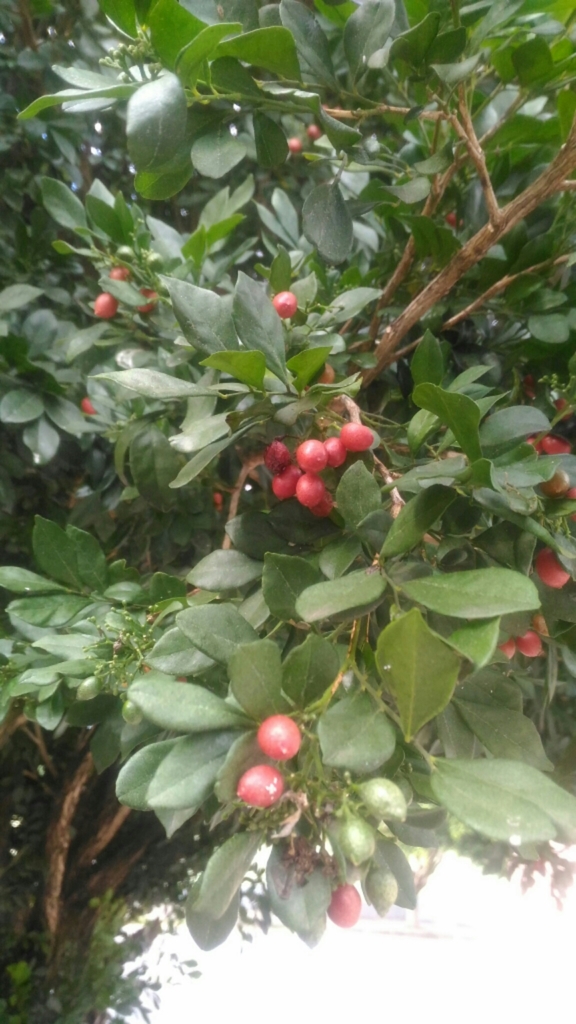
Le Jasmin d'orange est un bel arbuste à feuilles persistantes connu pour ses feuilles vert foncé brillantes et ses fleurs blanches très parfumées. Il prospère dans les climats chauds et produit souvent de petites baies rouge vif après la floraison. Vous adorerez comment son doux parfum emplit l'air pendant les mois les plus chauds.

En un coup d'œil
- Niveau d'entretien
- Moyenne
- Type de plante
- Arbuste à feuilles persistantes
- Lumière
- Plein soleil à mi-ombre
- Lumière en intérieur
- Lumière vive indirecte
- Arrosage
- Tous les 3 à 7 jours
- Taille adulte
- 3 à 4 mètres
- Croissance
- Moyenne
- Rusticité
- USDA 9 à 11
- Floraison
- Intermittent tout au long de l'année
Entretien
Gardez le sol constamment humide, mais jamais détrempé, pour éviter les problèmes de racines. Surveillez le jaunissement des feuilles qui signale souvent un arrosage excessif ou un mauvais drainage. Une taille régulière aide à maintenir une forme touffue et encourage plus de fleurs.
- Arrosage
- Arrosez lorsque les quelques centimètres supérieurs du sol sont secs au toucher.
- Engrais
- Utilisez un engrais liquide équilibré pendant la saison de croissance active.
- Taille
- Taillez légèrement après la floraison pour encourager une croissance dense et compacte.
- Rempotage
- Rempotez au printemps si les racines ont rempli le pot actuel.
- Sol
- Bien drainant, légèrement acide
- pH du sol
- 5.5 à 7.0
- Température
- 5 à 35°C
- Humidité
- 50 à 80%
- Résistance à la sécheresse
- Moyenne
- Durée de vie
- Plante vivace de longue vie, dépassant souvent 20 ans avec des soins appropriés.
- Parfum
- Fort
- Résistance aux chevreuils et lapins
- Moyenne
Signes qu'il faut rempoter
- Les racines sortent des trous de drainage.
- L'eau stagne trop longtemps à la surface.
- Croissance ralentie pendant la saison active.
Sécurité
- Humains
- La plante n'est pas considérée comme toxique pour l'homme, mais l'ingestion de parties de la plante n'est pas recommandée.
- Animaux
- Cette plante est généralement considérée comme non toxique pour les chats et les chiens.
- Enfants
- Les petites baies rouges peuvent présenter un risque d'étouffement pour les jeunes enfants si elles sont ingérées.
- Allergènes de contact
- Le contact avec la sève peut provoquer une légère irritation cutanée chez les personnes sensibles.
- Allergènes aéroportés
- Le fort parfum des fleurs peut provoquer une gêne respiratoire chez les personnes sensibles aux odeurs fortes.
- Comestibilité
- Le fruit est généralement considéré comme immangeable et ne doit pas être consommé.
Comment l'identifier
- Feuilles pennées vert foncé brillantes
- Grappes de fleurs blanches parfumées
- Petites baies ornementales rouge vif
- Habitude de croissance dense et arbustive
- Hauteur
- 2 à 4m
- Envergure
- 1,5 à 3m
- Feuilles
- vert foncé, brillant, evergreen
- Fleurs
- blanc, 1 à 2cm
- Fruits
- rouge, Fin de l'été à l'automne
Problèmes à surveiller
- CochenillesCourant
- FumagineCourant
- PuceronsCourant
- ChlorosePeu courant
- Cochenilles des agrumesPeu courant
- Pourriture des racinesPeu courant
- TétranyquesPeu courant
- Taches foliairesRare
- Mildiou de suie — Une croissance fongique noire qui se développe sur le miellat excrété par les insectes suceurs de sève.
Par symptôme
Vérifie la santé de ta plante en photo
Pocket Botanist analyse une photo de ta plante et te dit ce qui ne va pas et quoi essayer en premier.
La cultiver
- Multiplication
- boutures, graines
- Quand planter
- printemps, début de l'automne
- Hivernage
- Dans les régions plus fraîches, rentrez les contenants à l'intérieur dans un endroit lumineux, à l'abri du gel. Réduisez l'arrosage pendant les mois d'hiver pour éviter la pourriture des racines.
- En pot
- Il pousse bien dans de grands contenants, à condition qu'ils aient un excellent drainage et que la plante soit bien nourrie.
Boutures semi-aoûtées
- 1. Prenez une coupe de 10 cm dans une croissance saine, non florifère.
- 2. Retirez les feuilles inférieures et trempez la base dans de l'hormone d'enracinement.
- 3. Plantez dans un mélange de terre bien drainant.
- 4. Gardez dans un endroit chaud et humide jusqu'à ce que les racines se développent.
Plantez en groupes pour créer une haie parfumée qui attire les pollinisateurs bénéfiques dans votre jardin.
Bonnes associations
- Gardénia — Ils partagent des exigences similaires en matière de sol et d'humidité tout en offrant des fleurs blanches complémentaires.
- Hibiscus de Chine — Ils prospèrent dans le même climat chaud et offrent un beau contraste de taille et de couleur de fleurs.
Espèces similaires
- Citrus — Tous deux appartiennent à la même famille et partagent un feuillage similaire et des caractéristiques de fleurs parfumées.
Science
- Famille
- Rutaceae
- Genre
- Murraya
- Ordre
- Sapindales
- Classe
- Magnoliopsida
- Région d'origine
- Asie du Sud et certaines parties de l'Australie.
- Préservation
- Cette espèce n'est actuellement pas répertoriée comme menacée ou en danger.
Il prospère dans les environnements chauds et humides et colonise souvent les bords de forêt où il peut accéder à la lumière du soleil filtrée.
- Intérêt pour la faune
- source de nectar, fournit un abri pour la nidification
- Pollinisateurs
- abeilles, papillons
- Utilisations
- haies, arbuste ornemental, plante en pot, jardin de senteur
Au fil des saisons
Repères écologiques
- Salinité
- 2/9
- Réaction du sol
- 6/9
- Lumière
- 7/9
- Température
- 8/9
- Nutriments
- 6/9
- Humidité
- 6/9
Taxonomie vérifiée avec le GBIF.
Ce qu'on demande souvent
- À quelle fréquence dois-je le tailler ?
- Taillez légèrement après la floraison pour maintenir la forme et encourager une croissance dense.
- Peut-il pousser à l'ombre complète ?
- Il préfère le plein soleil à l'ombre partielle, mais la floraison sera considérablement réduite à l'ombre profonde.
D'où vient le nom
Le nom Murraya honore le botaniste suédois Johan Andreas Murray, tandis que paniculata fait référence à l'agencement paniculaire de ses fleurs.
Bon à savoir
- Il est communément appelé jasmin d'orange en raison de son parfum semblable aux agrumes.
- Le bois est très dur et a été utilisé pour les manches d'outils dans certaines régions.
- C'est un choix populaire pour la taille en topiaire car il réagit bien à la taille.
- Les fleurs sont très attrayantes pour les pollinisateurs locaux.
Garde ta plante en pleine forme
Cette page est un guide général. Enregistre ta plante dans Pocket Botanist et tu reçois des rappels d'entretien adaptés à cette plante, ainsi qu'un historique d'entretien qui montre ce qui a marché.
Ce guide a été généré par IA et vérifié avec la taxonomie du GBIF. Il s'agit d'informations générales, et non de conseils horticoles ou vétérinaires. Découvre comment nous concevons ces guides.