 Pocket Botanist
Guía de plantas
Orange Jessamine.
Murraya paniculata
Pronunciación mur-RAY-uh pan-ik-yoo-LAY-tuh


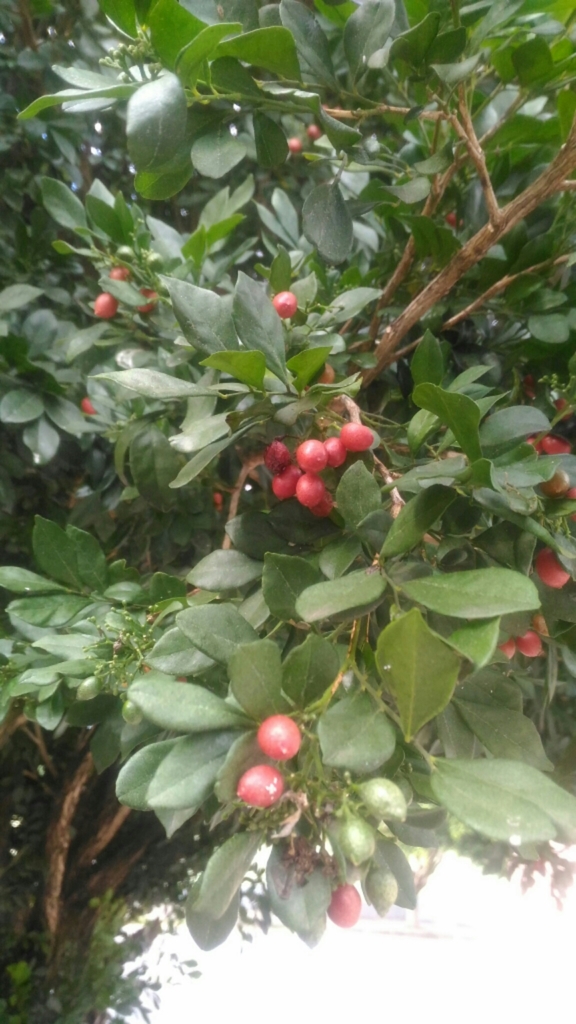
El Jazmín de la India es un hermoso arbusto de hoja perenne conocido por sus hojas brillantes de color verde oscuro y sus flores blancas muy fragantes. Prospera en climas cálidos y a menudo produce pequeñas bayas de color rojo brillante después de florecer. Te encantará cómo su dulce aroma llena el aire durante los meses más cálidos.

De un vistazo
- Nivel de cuidados
- Media
- Tipo de planta
- Arbusto de hoja perenne
- Luz
- Pleno sol a sombra parcial
- Luz en interior
- Luz indirecta brillante
- Riego
- Cada 3 a 7 días
- Tamaño adulto
- 3 a 4 metros
- Ritmo de crecimiento
- Medio
- Rusticidad
- USDA 9 a 11
- Floración
- Intermitente durante todo el año
Cuidados
Mantén la tierra constantemente húmeda pero nunca encharcada para prevenir problemas en las raíces. Observa si las hojas amarillean, lo que a menudo indica exceso de riego o mal drenaje. La poda regular ayuda a mantener una forma tupida y fomenta más flores.
- Riego
- Riega cuando los primeros centímetros de la tierra se sientan secos al tacto.
- Abonado
- Usa un fertilizante líquido equilibrado durante la temporada de crecimiento activo.
- Poda
- Poda ligeramente después de florecer para fomentar un hábito denso y compacto.
- Trasplante
- Trasplanta en primavera si las raíces han llenado el contenedor actual.
- Suelo
- Bien drenado, ligeramente ácido
- pH del suelo
- 5.5 a 7.0
- Temperatura
- 5 a 35°C
- Humedad
- 50 a 80%
- Tolerancia a la sequía
- Moderada
- Longevidad
- Perenne de larga vida, a menudo superando los 20 años con el cuidado adecuado.
- Fragancia
- Intensa
- Resistencia a ciervos y conejos
- Moderada
Señales de que necesita trasplante
- Raíces que crecen por los agujeros de drenaje.
- El agua permanece en la superficie durante demasiado tiempo.
- Crecimiento atrofiado durante la temporada activa.
Seguridad
- Personas
- La planta no se considera tóxica para los humanos, pero no se recomienda la ingestión de partes de la planta.
- Mascotas
- Esta planta generalmente se considera no tóxica para gatos y perros.
- Niños
- Las pequeñas bayas rojas pueden suponer un peligro de asfixia para los niños pequeños si se ingieren.
- Alérgenos por contacto
- El contacto con la savia puede causar irritación leve de la piel en personas sensibles.
- Alérgenos en el aire
- La fuerte fragancia de las flores puede desencadenar molestias respiratorias en personas sensibles a los olores fuertes.
- Comestibilidad
- La fruta generalmente se considera no comestible y no debe consumirse.
Cómo identificarla
- Hojas brillantes de color verde oscuro, compuestas
- Racimos de flores blancas fragantes
- Pequeñas bayas ornamentales de color rojo brillante
- Hábito de crecimiento denso y arbustivo
- Altura
- 2 a 4m
- Anchura
- 1,5 a 3m
- Hojas
- verde oscuro, brillante, perenne
- Flores
- blanco, 1 a 2cm
- Frutos
- rojo, Finales de verano a otoño
Problemas a vigilar
- CochinillasComún
- NegrillaComún
- PulgonesComún
- Araña rojaPoco común
- ClorosisPoco común
- Cochinillas de los cítricosPoco común
- Podredumbre radicularPoco común
- Manchas foliaresRara
- Hollín — Un crecimiento fúngico negro que se desarrolla sobre la melaza excretada por insectos chupadores de savia.
Por síntoma
Revisa tu orange jessamine con una foto
Pocket Botanist mira una foto de tu planta y te dice qué le pasa y qué probar primero.
Cómo cultivarla
- Propagación
- esquejes, semilla
- Cuándo plantar
- primavera, principios de otoño
- Cuidados en invierno
- En regiones más frías, lleva las macetas al interior a un lugar brillante y libre de heladas. Reduce el riego durante los meses de invierno para prevenir la pudrición de las raíces.
- En maceta
- Crece bien en macetas grandes, siempre que tengan un excelente drenaje y la planta se mantenga bien alimentada.
Esquejes de madera semidura
- 1. Toma un esqueje de 10 cm de crecimiento sano y no floral.
- 2. Retira las hojas inferiores y sumerge la base en hormona de enraizamiento.
- 3. Planta en una mezcla para macetas bien drenada.
- 4. Mantén en un lugar cálido y húmedo hasta que las raíces se desarrollen.
Planta en grupos para crear un seto fragante que atraiga polinizadores beneficiosos a tu jardín.
Buenas compañeras
- Gardenia — Comparten requisitos de suelo y humedad similares, al tiempo que proporcionan flores blancas complementarias.
- hibisco chino — Prosperan en el mismo clima cálido y proporcionan un hermoso contraste en tamaño y color de flor.
Especies parecidas
- Citrus — Ambos pertenecen a la misma familia y comparten características de follaje y flores fragantes similares.
Ciencia
- Familia
- Rutaceae
- Género
- Murraya
- Orden
- Sapindales
- Clase
- Magnoliopsida
- Distribución natural
- Sur de Asia y partes de Australia.
- Conservación
- Esta especie no está actualmente catalogada como en peligro de extinción o amenazada.
Prospera en ambientes cálidos y húmedos y a menudo coloniza los bordes del bosque donde puede acceder a la luz solar filtrada.
- Valor para la fauna
- fuente de néctar, proporciona cobertura para anidar
- Polinizadores
- abejas, mariposas
- Usos
- seto, arbusto ornamental, planta de contenedor, jardín aromático
A lo largo del año
Indicadores ecológicos
- Salinidad
- 2/9
- Reacción del suelo
- 6/9
- Luz
- 7/9
- Temperatura
- 8/9
- Nutrientes
- 6/9
- Humedad
- 6/9
Taxonomía cotejada con GBIF.
Lo que más preguntan
- ¡Con qué frecuencia debo podarla?
- Poda ligeramente después de la floración para mantener la forma y fomentar un crecimiento denso.
- ¿Puede crecer a pleno sol?
- Prefiere pleno sol a sombra parcial, pero la floración se reducirá significativamente en sombra profunda.
De dónde viene el nombre
El nombre Murraya honra al botánico sueco Johan Andreas Murray, mientras que paniculata se refiere a la disposición en panícula de sus flores.
Bueno saberlo
- Se le conoce comúnmente como jazmín de la India debido a su aroma cítrico.
- La madera es muy dura y se ha utilizado para mangos de herramientas en algunas regiones.
- Es una opción popular para topiaria porque responde bien a la poda.
- Las flores son muy atractivas para los polinizadores locales.
Que tu orange jessamine siga creciendo
Esta página es una guía general. Guarda tu planta en Pocket Botanist y tendrás recordatorios de cuidado pensados para esta planta, además de un historial de cuidados que muestra qué ha funcionado.
Esta guía se ha generado con IA y se ha cotejado con la taxonomía de GBIF. Es información general, no asesoramiento botánico ni veterinario. Descubre cómo elaboramos estas guías.