 Pocket Botanist
Guide botanique
Fuchsia.
Fuchsia
Prononciation FYOO-sha
Aussi appelée Fuchsia, Fuchsias, fuchsias, genre des boucles d'oreilles de dame



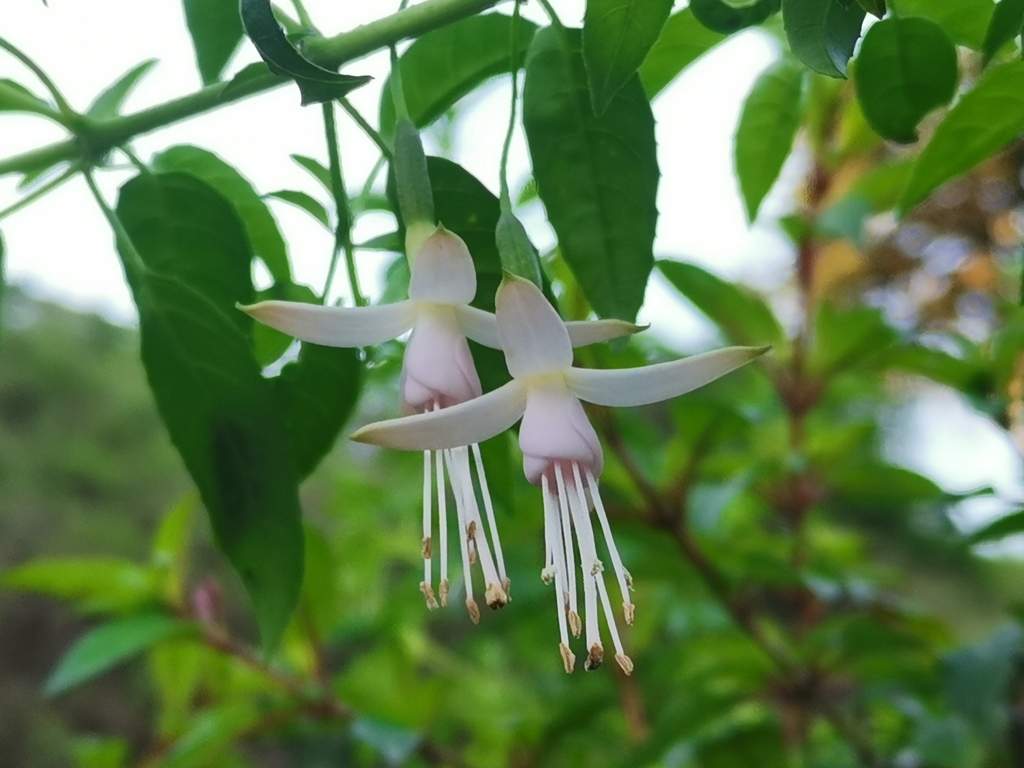
Les fuchsias sont appréciés pour leurs fleurs élégantes et pendantes qui ressemblent à de petites danseuses. Ils prospèrent dans les environnements plus frais et humides et ajoutent une touche de grâce à n'importe quel porche ou jardin ombragé. Vous les trouverez dans une grande variété de couleurs, allant des violets profonds aux roses vifs.
En un coup d'œil
- Niveau d'entretien
- Moyenne
- Type de plante
- Arbuste à fleurs
- Lumière
- Mi-ombre à ombre complète
- Lumière en intérieur
- Lumière vive indirecte
- Arrosage
- Tous les 2 à 4 jours
- Taille adulte
- 1 à 3 pieds
- Croissance
- Moyenne
- Rusticité
- USDA 8 à 10
- Floraison
- Fin du printemps à la mi-automne
Entretien
Gardez votre fuchsia dans un endroit avec une lumière filtrée et une humidité constante pour éviter le flétrissement. Surveillez les feuilles qui tombent, ce qui signale souvent que la plante a soif ou qu'elle a trop chaud. Supprimez régulièrement les fleurs fanées pour encourager la plante à continuer à produire de nouvelles fleurs tout au long de la saison.
- Arrosage
- Gardez le sol constamment humide mais jamais détrempé.
- Engrais
- Utilisez un engrais liquide équilibré pendant la saison de croissance active.
- Taille
- Pincez les tiges pour favoriser une croissance plus touffue et plus de fleurs.
- Rempotage
- Rempotez au début du printemps si la plante devient à l'étroit dans son pot.
- Sol
- Mélange de terreau riche et bien drainant
- pH du sol
- 6.0 à 7.0
- Température
- 5 à 25°C
- Humidité
- 60 à 80%
- Résistance à la sécheresse
- Faible
- Durée de vie
- Vivace, généralement 3 à 5 ans avec des soins appropriés.
- Résistance aux chevreuils et lapins
- Moyenne
Signes qu'il faut rempoter
- Des racines sortent des trous de drainage.
- L'eau traverse directement le pot.
- Croissance ralentie pendant la saison active.
Sécurité
- Humains
- Cette plante est généralement considérée comme non toxique pour l'homme.
- Animaux
- Les fuchsias sont généralement considérés comme non toxiques pour les chats et les chiens.
- Enfants
- Les petites baies peuvent présenter un risque d'étouffement pour les très jeunes enfants si elles sont ingérées.
- Allergènes de contact
- Certaines personnes peuvent ressentir une légère irritation cutanée au contact du feuillage.
- Allergènes aéroportés
- Il n'y a pas de rapports significatifs d'allergies respiratoires associées à cette plante.
- Comestibilité
- Bien que les baies soient techniquement comestibles, elles sont souvent fades et non recommandées pour la consommation.
Comment l'identifier
- Fleurs pendantes en forme de cloche
- Feuilles opposées ou verticillées
- Sépales et pétales distinctifs
- Présente souvent des couleurs contrastées
- Hauteur
- 0,3 à 1,5m
- Envergure
- 0,3 à 1m
- Feuilles
- vert, bronze, caduc
- Fleurs
- rose, violet, blanc, rouge, 2 à 8cm
- Fruits
- violet foncé, Fin de l'été
Problèmes à surveiller
- AleurodesCourant
- BotrytisCourant
- Phytopte du fuchsiaCourant
- Pourriture des racinesPeu courant
- PuceronsPeu courant
- TétranyquesPeu courant
- Acarien gallicole du fuchsia — Un minuscule acarien qui provoque une croissance déformée et enflée sur le feuillage.
- Aleurode — De petits insectes suceurs de sève qui se rassemblent sur le dessous des feuilles.
- Mildiou botrytis — Une infection fongique qui provoque une moisissure grise sur les fleurs et les feuilles dans des conditions humides.
Par symptôme
Vérifie la santé de ta plante en photo
Pocket Botanist analyse une photo de ta plante et te dit ce qui ne va pas et quoi essayer en premier.
La cultiver
- Multiplication
- boutures, semis
- Quand planter
- printemps
- Hivernage
- Déplacez les conteneurs dans un endroit frais, à l'abri du gel, comme un garage ou un sous-sol. Réduisez considérablement l'arrosage pendant que la plante est dormante.
- En pot
- Ils sont excellents pour les conteneurs et les paniers suspendus, à condition que le pot ait au moins 25 cm de large.
Boutures de tige
- 1. Prélevez une bouture de 10 cm d'un rameau non fleuri.
- 2. Retirez les feuilles inférieures.
- 3. Trempez l'extrémité dans de la poudre d'hormone de bouturage.
- 4. Placez dans un terreau humide.
- 5. Couvrez avec un sac en plastique pour maintenir l'humidité.
Groupez les plantes ayant des besoins en eau similaires pour maintenir le sol constamment humide sans le détremper.
Bonnes associations
- Bégonia tubéreuse — Ils partagent des exigences similaires en matière d'ombre et d'humidité.
- Balsamine des jardins — Ils fournissent une couverture de sol colorée sous les standards de fuchsia.
- Polystic à feuilles de sabre — Les fougères ajoutent un contraste textuel dans les coins de jardin ombragés.
Espèces similaires
- Fuchsia procumbens — Il a un port similaire mais convient mieux à la couverture du sol.
Science
- Famille
- Onagraceae
- Genre
- Fuchsia
- Ordre
- Myrtales
- Classe
- Magnoliopsida
- Région d'origine
- Amérique centrale et du Sud
- Préservation
- Pas de préoccupation de conservation actuellement.
Les fuchsias prospèrent dans le sous-bois frais, humide et ombragé des forêts de montagne.
- Intérêt pour la faune
- source de nectar
- Pollinisateurs
- colibris, abeilles
- Utilisations
- paniers suspendus, jardins en conteneurs, bordures ombragées
Au fil des saisons
Repères écologiques
- Salinité
- 2/9
- Lumière
- 3/9
- Réaction du sol
- 6/9
- Température
- 5/9
- Humidité
- 7/9
- Nutriments
- 6/9
Taxonomie vérifiée avec le GBIF.
Ce qu'on demande souvent
- Pourquoi mes fleurs de fuchsia tombent-elles ?
- C'est souvent causé par le stress thermique ou un arrosage irrégulier.
- Dois-je supprimer les fleurs fanées de mon fuchsia ?
- Oui, retirer les fleurs fanées encourage la plante à produire plus de fleurs.
D'où vient le nom
Le genre a été nommé en l'honneur de Leonhart Fuchs, un médecin et botaniste allemand du XVIe siècle.
Bon à savoir
- Les fleurs de fuchsia sont principalement pollinisées par les colibris dans leur aire de répartition d'origine.
- La plante a été nommée en l'honneur du botaniste allemand Leonhart Fuchs.
- Il existe plus de 100 espèces de fuchsia trouvées à l'état sauvage.
- Certaines variétés de fuchsia peuvent être taillées en formes d'arbres complexes appelées "standards".
Aussi dans
Garde ta plante en pleine forme
Cette page est un guide général. Enregistre ta plante dans Pocket Botanist et tu reçois des rappels d'entretien adaptés à cette plante, ainsi qu'un historique d'entretien qui montre ce qui a marché.
Ce guide a été généré par IA et vérifié avec la taxonomie du GBIF. Il s'agit d'informations générales, et non de conseils horticoles ou vétérinaires. Découvre comment nous concevons ces guides.