 Pocket Botanist
Guide botanique
Asperge d'ornement.
Asparagus densiflorus
Prononciation uh-SPAR-uh-gus den-sih-FLOR-us
Aussi appelée Asparagus Fern, Asperge queue de renard, Asperge de Sprenger, Asperge faux-asperge de Sprenger, Asperge queue de renard, Asperge queue de renard, plume asparagus-fern



Cette plante est un bel ajout plumeux à tout espace intérieur. Ce n'est pas une vraie fougère, mais elle y ressemble certainement avec son feuillage doux, semblable à des aiguilles. Elle prospère dans les endroits lumineux et ajoute une belle touche de texture aux paniers suspendus.
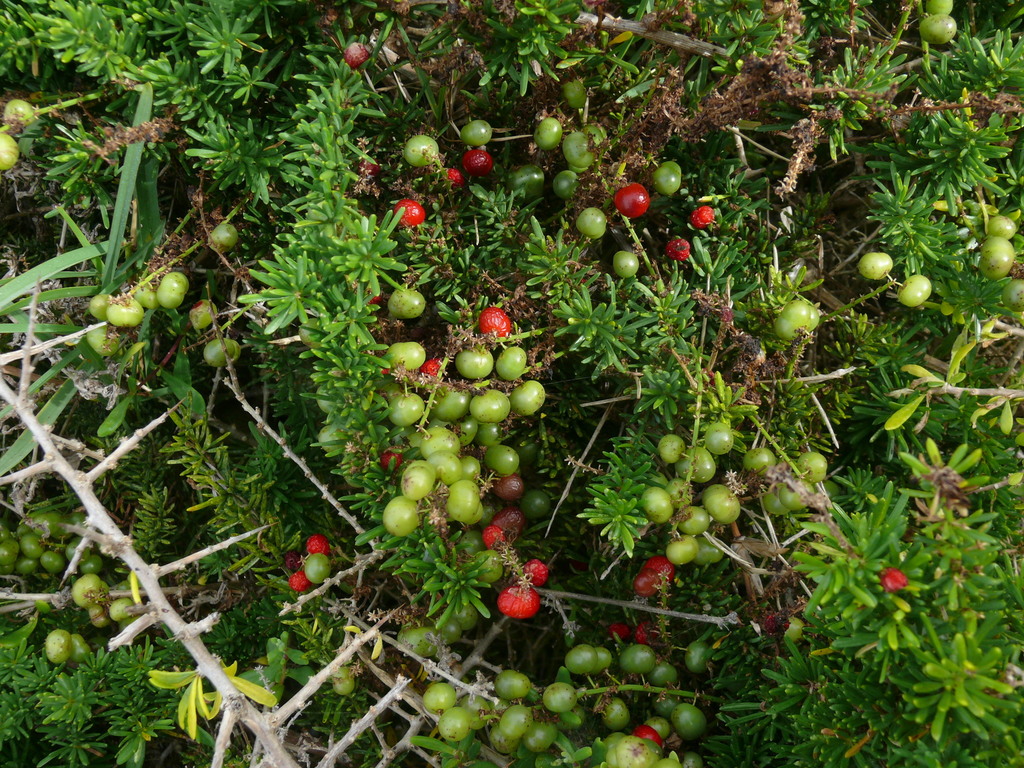
En un coup d'œil
- Niveau d'entretien
- Facile
- Type de plante
- Vivace
- Lumière
- La lumière indirecte vive est préférable, bien qu'elle puisse supporter un peu de soleil matinal.
- Lumière en intérieur
- Lumière vive indirecte
- Arrosage
- Tous les 5 à 10 jours
- Taille adulte
- 60 à 90 cm de haut et de large
- Croissance
- Rapide
- Rusticité
- USDA 9 à 11
- Floraison
- Mi à fin d'été
Entretien
Gardez le sol constamment humide mais jamais détrempé pour éviter la pourriture des racines. Surveillez les aiguilles jaunissantes, qui signalent souvent que la plante est trop sèche ou a besoin de plus de lumière. Taillez les tiges brunes ou échevelées pour encourager une croissance fraîche et touffue.
- Arrosage
- Arrosez lorsque le premier centimètre de terre est sec au toucher.
- Engrais
- Nourrissez avec un engrais liquide équilibré pendant la saison de croissance active.
- Taille
- Taillez les tiges anciennes ou jaunissantes pour que la plante reste nette.
- Rempotage
- Rempotez lorsque les racines tubéreuses commencent à faire sortir la plante de son pot.
- Sol
- Mélange de terreau à base de tourbe bien drainant
- pH du sol
- 6,5 à 7,5
- Température
- 10 à 28°C
- Humidité
- 40 à 60%
- Résistance à la sécheresse
- Moyenne
- Durée de vie
- Vivace, typiquement 5 à 10 ans
- Parfum
- Léger
- Résistance aux chevreuils et lapins
- Moyenne
Signes qu'il faut rempoter
- Les racines sortent des trous de drainage.
- L'eau stagne à la surface trop longtemps.
- La croissance de la plante a considérablement ralenti.
Sécurité
- Humains
- Toutes les parties de la plante, en particulier les baies, peuvent provoquer des troubles gastro-intestinaux en cas d'ingestion.
- Animaux
- Les baies et le feuillage sont toxiques pour les chats et les chiens s'ils sont ingérés.
- Enfants
- Tenez cette plante à l'écart des jeunes enfants car les baies ressemblent à de petites ornements rouges comestibles.
- Allergènes de contact
- La sève peut provoquer une irritation cutanée ou une dermatite chez les personnes sensibles.
- Allergènes aéroportés
- Il n'y a pas de risque important d'allergènes aéroportés.
- Comestibilité
- Les baies sont toxiques pour l'homme et ne doivent jamais être consommées.
Comment l'identifier
- Phylloclades plumeux, semblables à des aiguilles
- Tiges arquées et retombantes
- Petites fleurs blanches ou rosées
- Baies rouge vif sur les plantes matures
- Système racinaire tubéreux et charnu
- Hauteur
- 0,3 à 0,6m
- Envergure
- 0,6 à 0,9m
- Feuilles
- vert vif, evergreen
- Fleurs
- blanc, rose pâle, 0,5 à 1cm
- Fruits
- rouge vif, Automne
Problèmes à surveiller
- Brunissement des frondesCourant
- Brunissement du bord des feuillesCourant
- Pourriture des racinesCourant
- TétranyquesCourant
- ChlorosePeu courant
- CochenillesPeu courant
- Cochenilles farineusesPeu courant
- Mouches du terreauPeu courant
- Acariens — Minuscules parasites qui prospèrent dans l'air sec et provoquent un jaunissement du feuillage.
Vérifie la santé de ta plante en photo
Pocket Botanist analyse une photo de ta plante et te dit ce qui ne va pas et quoi essayer en premier.
La cultiver
- Multiplication
- division, semis
- Quand planter
- Printemps, Début d'été
- Hivernage
- Rentrez les conteneurs à l'intérieur avant le premier gel. Réduisez l'arrosage pendant les mois d'hiver à mesure que la croissance ralentit.
- En pot
- Il est excellent pour les conteneurs et les paniers suspendus, à condition que le pot ait un bon drainage.
Division
- 1. Retirez délicatement la plante de son pot.
- 2. Utilisez un couteau tranchant et propre pour diviser la motte en sections.
- 3. Replantez chaque section dans un terreau frais et bien drainant.
Groupez cette plante avec d'autres qui apprécient une humidité constante pour faciliter les routines d'arrosage.
Bonnes associations
- Spathiphyllum — Ils partagent des exigences similaires en matière de lumière et d'humidité.
- Plante araignée — Les deux plantes prospèrent dans des environnements intérieurs similaires.
Espèces similaires
- Asparagus setaceus — Il a une texture beaucoup plus fine et plus dentelée que le densiflorus.
Science
- Famille
- Asparagaceae
- Genre
- Asparagus
- Ordre
- Asparagales
- Classe
- Liliopsida
- Région d'origine
- Afrique australe
- Préservation
- Cette espèce est considérée comme envahissante dans plusieurs régions du monde, notamment en Australie et dans certaines parties des États-Unis.
Il pousse dans une variété d'habitats, des dunes côtières aux lisières de forêts, où ses tubercules lui permettent de persister malgré la sécheresse.
- Intérêt pour la faune
- source de nectar
- Pollinisateurs
- abeilles
- Utilisations
- paniers suspendus, couvre-sol, plante d'intérieur
Au fil des saisons
Repères écologiques
- Nutriments
- 5/9
- Salinité
- 3/9
- Humidité
- 4/9
- Réaction du sol
- 5/9
- Lumière
- 5/9
- Température
- 7/9
Taxonomie vérifiée avec le GBIF.
Ce qu'on demande souvent
- Pourquoi les feuilles jaunissent-elles ?
- C'est souvent un signe de soleil direct excessif ou d'un arrosage irrégulier.
- Puis-je le cultiver dans un coin sombre ?
- Il préfère une lumière vive et indirecte et deviendra filiforme dans une ombre profonde.
D'où vient le nom
Le nom densiflorus signifie densément fleuri, faisant référence à la façon dont les petites fleurs se regroupent le long des tiges.
Bon à savoir
- Ses racines tubéreuses stockent l'eau, ce qui l'aide à survivre aux périodes de sécheresse.
- Les structures ressemblant à des aiguilles sont en fait des tiges modifiées appelées cladodes.
- Il est très adaptable et peut pousser à la fois au soleil et à l'ombre.
Aussi dans
Garde ta plante en pleine forme
Cette page est un guide général. Enregistre ta plante dans Pocket Botanist et tu reçois des rappels d'entretien adaptés à cette plante, ainsi qu'un historique d'entretien qui montre ce qui a marché.
Ce guide a été généré par IA et vérifié avec la taxonomie du GBIF. Il s'agit d'informations générales, et non de conseils horticoles ou vétérinaires. Découvre comment nous concevons ces guides.