 Pocket Botanist
Guía de plantas
Asparagus fern.
Asparagus densiflorus
Pronunciación uh-SPAR-uh-gus den-sih-FLOR-us
También se conoce como Asparagus Fern, Foxtail Asparagus, Sprenger's Asparagus, Sprenger's asparagus fern, foxtail asparagus-fern, foxtail fern, plume asparagus-fern



Esta planta es una adición encantadora y plumosa a cualquier espacio interior. No es un helecho verdadero, pero ciertamente se parece con su follaje suave y parecido a agujas. Prospera en lugares luminosos y añade un bonito toque de textura a las cestas colgantes.
De un vistazo
- Nivel de cuidados
- Fácil
- Tipo de planta
- Perenne
- Luz
- La luz indirecta brillante es lo mejor, aunque puede tolerar algo de sol de la mañana.
- Luz en interior
- Luz indirecta brillante
- Riego
- Cada 5 a 10 días
- Tamaño adulto
- 60 a 90 cm de alto y ancho
- Ritmo de crecimiento
- Rápido
- Rusticidad
- USDA 9 a 11
- Floración
- Mediados a finales de verano
Cuidados
Mantén la tierra constantemente húmeda pero nunca empapada para prevenir la pudrición de la raíz. Observa si las agujas amarillean, lo que a menudo indica que la planta está demasiado seca o necesita más luz. Poda los tallos marrones o desgarbados para fomentar un crecimiento fresco y frondoso.
- Riego
- Riega cuando la pulgada superior de la tierra se sienta seca al tacto.
- Abonado
- Alimenta con un fertilizante líquido equilibrado durante la temporada de crecimiento activo.
- Poda
- Recorta los tallos viejos o amarillentos para mantener la planta luciendo ordenada.
- Trasplante
- Trasplanta cuando las raíces tuberosas comiencen a empujar la planta fuera de su contenedor.
- Suelo
- Sustrato para macetas a base de turba, bien drenado
- pH del suelo
- 6.5 a 7.5
- Temperatura
- 10 a 28°C
- Humedad
- 40 a 60%
- Tolerancia a la sequía
- Moderada
- Longevidad
- Perenne, típicamente de 5 a 10 años
- Fragancia
- Suave
- Resistencia a ciervos y conejos
- Moderada
Señales de que necesita trasplante
- Las raíces crecen fuera de los agujeros de drenaje.
- El agua permanece en la superficie demasiado tiempo.
- El crecimiento de la planta se ha ralentizado significativamente.
Seguridad
- Personas
- Todas las partes de la planta, especialmente las bayas, pueden causar malestar gastrointestinal si se ingieren.
- Mascotas
- Las bayas y el follaje son tóxicos para gatos y perros si se ingieren.
- Niños
- Mantenga esta planta alejada de niños pequeños porque las bayas parecen pequeños adornos rojos comestibles.
- Alérgenos por contacto
- La savia puede causar irritación de la piel o dermatitis en personas sensibles.
- Alérgenos en el aire
- No hay riesgo significativo de alérgenos en el aire.
- Comestibilidad
- Las bayas son tóxicas para los humanos y nunca deben consumirse.
Cómo identificarla
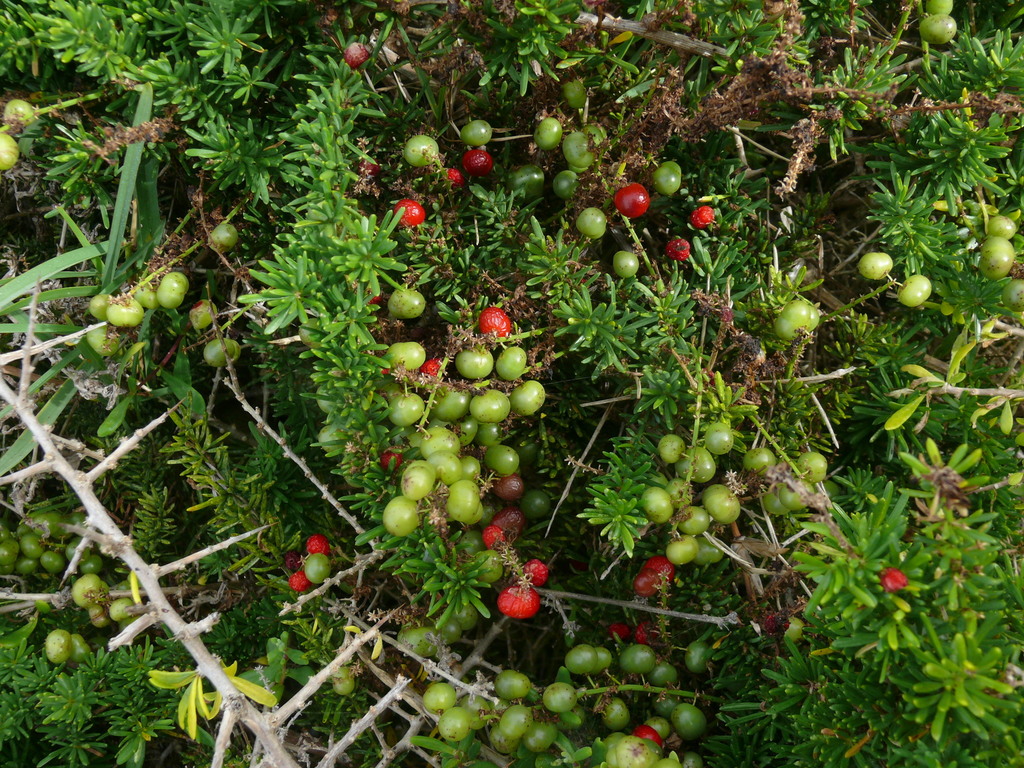
- Cladodios plumosos y parecidos a agujas
- Tallos arqueados y colgantes
- Flores pequeñas, blancas o rosadas
- Bayas rojas brillantes en plantas maduras
- Sistema radicular tuberoso y carnoso
- Altura
- 0,3 a 0,6m
- Anchura
- 0,6 a 0,9m
- Hojas
- verde brillante, evergreen
- Flores
- blanco, rosa pálido, 0,5 a 1cm
- Frutos
- rojo brillante, Otoño
Problemas a vigilar
- Araña rojaComún
- Bordes marrones en las hojasComún
- Pardeamiento de las frondasComún
- Podredumbre radicularComún
- ClorosisPoco común
- CochinillasPoco común
- Cochinillas algodonosasPoco común
- Moscas del mantilloPoco común
- Pudrición de raíz — Ocurre cuando la tierra permanece demasiado húmeda durante mucho tiempo.
Revisa tu asparagus fern con una foto
Pocket Botanist mira una foto de tu planta y te dice qué le pasa y qué probar primero.
Cómo cultivarla
- Propagación
- división, semilla
- Cuándo plantar
- Primavera, Principios de verano
- Cuidados en invierno
- Mueva las macetas al interior antes de la primera helada. Reduzca el riego durante los meses de invierno a medida que el crecimiento se ralentiza.
- En maceta
- Es excelente para macetas y cestas colgantes, siempre que la maceta tenga un buen drenaje.
División
- 1. Retire con cuidado la planta de su maceta.
- 2. Use un cuchillo afilado y limpio para dividir el cepellón en secciones.
- 3. Replante cada sección en una mezcla para macetas fresca y bien drenada.
Agrupe esta planta con otras que disfruten de humedad constante para facilitar las rutinas de riego.
Buenas compañeras
- Spathiphyllum — Comparten requisitos de luz y humedad similares.
- Planta araña — Ambas plantas prosperan en entornos interiores similares.
Especies parecidas
- Asparagus setaceus — Tiene una textura mucho más fina y delicada que densiflorus.
Ciencia
- Familia
- Asparagaceae
- Género
- Asparagus
- Orden
- Asparagales
- Clase
- Liliopsida
- Distribución natural
- África meridional
- Conservación
- Esta especie se considera invasora en varias partes del mundo, incluyendo Australia y partes de los Estados Unidos.
Crece en una variedad de hábitats, desde dunas costeras hasta bordes de bosques, donde sus tubérculos le permiten persistir a través de la sequía.
- Valor para la fauna
- fuente de néctar
- Polinizadores
- abejas
- Usos
- cestas colgantes, cubresuelos, planta de interior
A lo largo del año
Indicadores ecológicos
- Nutrientes
- 5/9
- Salinidad
- 3/9
- Humedad
- 4/9
- Reacción del suelo
- 5/9
- Luz
- 5/9
- Temperatura
- 7/9
Taxonomía cotejada con GBIF.
Lo que más preguntan
- ¿Por qué las hojas se ponen amarillas?
- Esto suele ser una señal de demasiado sol directo o de un riego inconsistente.
- ¿Puedo cultivarla en un rincón oscuro?
- Prefiere luz brillante e indirecta y se pondrá alargada y débil en sombra profunda.
De dónde viene el nombre
El nombre densiflorus significa densamente florecido, refiriéndose a la forma en que las pequeñas flores se agrupan a lo largo de los tallos.
Bueno saberlo
- Tiene raíces tuberosas que almacenan agua, lo que le ayuda a sobrevivir a las sequías.
- Las estructuras parecidas a agujas son en realidad tallos modificados llamados cladodios.
- Es muy adaptable y puede crecer tanto a pleno sol como a la sombra.
También en
Que tu asparagus fern siga creciendo
Esta página es una guía general. Guarda tu planta en Pocket Botanist y tendrás recordatorios de cuidado pensados para esta planta, además de un historial de cuidados que muestra qué ha funcionado.
Esta guía se ha generado con IA y se ha cotejado con la taxonomía de GBIF. Es información general, no asesoramiento botánico ni veterinario. Descubre cómo elaboramos estas guías.