 Pocket Botanist
Guide botanique
Adiantum deppei.
Adiantum raddianum
Prononciation ad-ee-AN-tum rad-ee-AY-num
Aussi appelée Adiantum deppei, Delta Maidenhair-fern, Delta maidenhair fern, Fine Maidenhair Fern



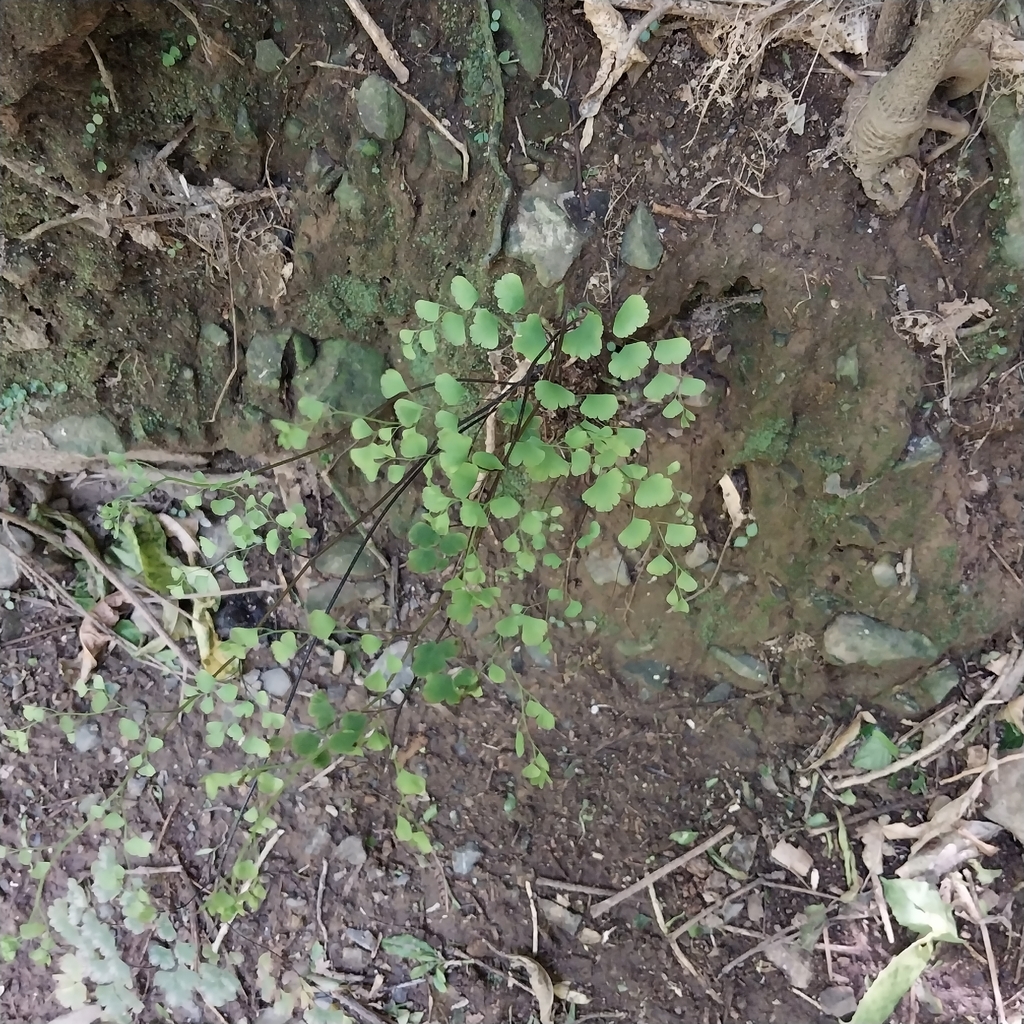
Cette fougère délicate est appréciée pour ses frondes aériennes et dentelées qui ajoutent une touche de douceur à tout espace intérieur. Elle prospère dans les environnements humides et apporte une sensation luxuriante et tropicale à votre maison. Vous aimerez comment ses tiges sombres et filiformes contrastent avec le feuillage vert vif.
En un coup d'œil
- Niveau d'entretien
- Difficile
- Type de plante
- Fougère
- Lumière
- Lumière indirecte vive
- Lumière en intérieur
- Lumière moyenne
- Arrosage
- Tous les 3 à 7 jours
- Taille adulte
- 1 à 2 pieds
- Croissance
- Moyenne
- Rusticité
- USDA 10 à 12
- Floraison
- Aucun
Entretien
Gardez le sol constamment humide et assurez une humidité élevée pour éviter que les frondes ne se dessèchent. Si vous remarquez des bords bruns et croustillants, c'est probablement un signe que l'air est trop sec ou que la plante a besoin de plus d'eau. Évitez de la placer en plein soleil, car les feuilles délicates brûlent très facilement.
- Arrosage
- Gardez le sol uniformément humide mais jamais détrempé.
- Engrais
- Utilisez un engrais liquide équilibré dilué à moitié pendant la saison de croissance.
- Taille
- Taillez les frondes mortes ou jaunissantes à la base pour garder la plante nette.
- Rempotage
- Rempotez uniquement lorsque les racines ont rempli le conteneur.
- Sol
- Mélange de terreau à base de tourbe, bien drainant
- pH du sol
- 6,0 à 7,0
- Température
- 15 à 24°C
- Humidité
- 60 à 90%
- Résistance à la sécheresse
- Faible
- Durée de vie
- Vivace, généralement 3 à 5 ans avec des soins appropriés.
- Résistance aux chevreuils et lapins
- Moyenne
Signes qu'il faut rempoter
- Racines sortant des trous de drainage
- L'eau traversant directement le pot
- Croissance ralentie
Sécurité
- Humains
- Il est généralement considéré comme non toxique pour l'homme.
- Animaux
- Cette plante est considérée comme non toxique pour les chats et les chiens.
- Enfants
- Les tiges fines sont fragiles et peuvent être facilement écrasées par de jeunes enfants.
- Allergènes de contact
- Les frondes sont douces et ne provoquent généralement pas d'irritation cutanée.
- Allergènes aéroportés
- Les spores libérées par le dessous des frondes peuvent provoquer une légère irritation respiratoire chez les personnes sensibles.
- Comestibilité
- Cette plante n'est pas destinée à la consommation.
Comment l'identifier
- Folioles délicates en forme d'éventail
- Tiges sombres, filiformes et noires
- Frondes triangulaires et arquées
- Aspect dentelé et finement texturé
- Hauteur
- 0,3 à 0,6m
- Envergure
- 0,3 à 0,6m
- Feuilles
- vert vif, evergreen
- Fleurs
- 0cm
Problèmes à surveiller
- Brunissement des frondesCourant
- Brunissement du bord des feuillesCourant
- CochenillesCourant
- Mouches du terreauPeu courant
- Pourriture des racinesPeu courant
- TétranyquesPeu courant
Par symptôme
Vérifie la santé de ta plante en photo
Pocket Botanist analyse une photo de ta plante et te dit ce qui ne va pas et quoi essayer en premier.
La cultiver
- Multiplication
- division, spores
- Quand planter
- printemps, été
- Hivernage
- Gardez la plante à l'abri des courants d'air froids et des bouches de chauffage. Assurez-vous que le sol reste humide pendant les mois d'hiver.
- En pot
- Il pousse bien en pot, à condition que le récipient soit bien drainé et que le sol reste constamment humide.
Division
- Retirez délicatement la plante de son pot.
- Utilisez un couteau propre pour diviser la motte en sections plus petites.
- Rempotez chaque section dans un mélange de terreau frais à base de tourbe.
- Arrosez abondamment et placez dans un endroit humide.
Regroupez les plantes aimant l'humidité pour créer un microclimat humide localisé.
Bonnes associations
- Spathiphyllum — Ils partagent des exigences similaires en matière d'ombre et d'humidité élevée.
- Saintpaulia — Ils prospèrent dans les mêmes environnements intérieurs chauds et humides.
Espèces similaires
- Capillaire de Vénus — Il a une apparence délicate similaire mais est légèrement plus résistant au froid.
Science
- Famille
- Pteridaceae
- Genre
- Adiantum
- Ordre
- Polypodiales
- Classe
- Polypodiopsida
- Région d'origine
- Régions tropicales et subtropicales d'Amérique du Sud.
- Préservation
- Il n'est actuellement pas répertorié comme espèce menacée.
Il pousse dans le sous-bois humide et ombragé des forêts tropicales.
- Utilisations
- plante d'intérieur, spécimen de terrarium, plante de patio ombragé
Au fil des saisons
Repères écologiques
- Salinité
- 1/9
- Nutriments
- 4/9
- Réaction du sol
- 5/9
- Lumière
- 2/9
- Température
- 8/9
- Humidité
- 8/9
Taxonomie vérifiée avec le GBIF.
Ce qu'on demande souvent
- Pourquoi les feuilles brunissent-elles ?
- L'air est probablement trop sec ou le sol a été laissé complètement sécher.
- Puis-je le faire pousser en plein soleil ?
- Non, la lumière directe du soleil brûlera rapidement le feuillage délicat.
D'où vient le nom
Le nom Adiantum fait référence à la nature hydrofuge des feuilles. Raddianum honore le botaniste italien Giuseppe Raddi.
Bon à savoir
- Le nom du genre Adiantum vient du grec ancien pour "non mouillé".
- Il est couramment appelé capillaire de Raddius.
- Ces fougères prospèrent dans l'humidité élevée des salles de bain.
Aussi dans
Garde ta plante en pleine forme
Cette page est un guide général. Enregistre ta plante dans Pocket Botanist et tu reçois des rappels d'entretien adaptés à cette plante, ainsi qu'un historique d'entretien qui montre ce qui a marché.
Ce guide a été généré par IA et vérifié avec la taxonomie du GBIF. Il s'agit d'informations générales, et non de conseils horticoles ou vétérinaires. Découvre comment nous concevons ces guides.