 Pocket Botanist
Guía de plantas
Helecho de Delta.
Adiantum raddianum
Pronunciación ad-ee-AN-tum rad-ee-AY-num
También se conoce como Helecho de Delta, Helecho de Delta, Helecho de Delta, Fine Maidenhair Fern



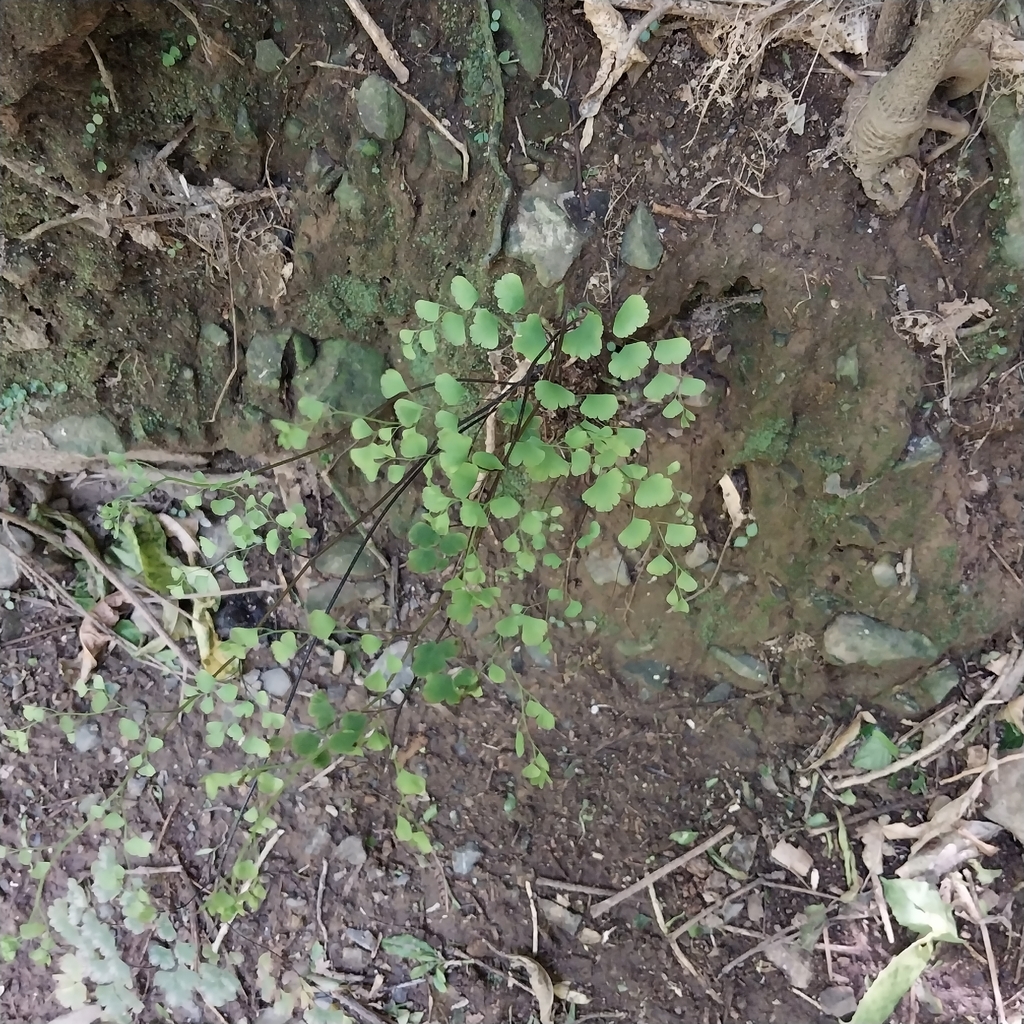
Este delicado helecho es un favorito por sus frondas aireadas y encajeras que añaden un toque suave a cualquier espacio interior. Prospera en ambientes húmedos y aporta una sensación exuberante y tropical a tu hogar. Te encantará cómo sus tallos oscuros y delgados contrastan con el follaje verde brillante.
De un vistazo
- Nivel de cuidados
- Difícil
- Tipo de planta
- Helecho
- Luz
- Luz indirecta brillante
- Luz en interior
- Luz media
- Riego
- Cada 3 a 7 días
- Tamaño adulto
- 1 a 2 pies
- Ritmo de crecimiento
- Medio
- Rusticidad
- USDA 10 a 12
- Floración
- Ninguno
Cuidados
Mantén la tierra constantemente húmeda y proporciona alta humedad para evitar que las frondas se sequen. Si notas bordes marrones y crujientes, es probable que sea una señal de que el aire está demasiado seco o que la planta necesita más agua. Evita colocarla a pleno sol, ya que las delicadas hojas se queman muy fácilmente.
- Riego
- Mantén la tierra uniformemente húmeda pero nunca encharcada.
- Abonado
- Usa un fertilizante líquido equilibrado diluido a la mitad de su fuerza durante la temporada de crecimiento.
- Poda
- Recorta las frondas muertas o amarillentas en la base para mantener la planta ordenada.
- Trasplante
- Trasplanta solo cuando las raíces hayan llenado el contenedor.
- Suelo
- Mezcla para macetas a base de turba y bien drenada
- pH del suelo
- 6.0 a 7.0
- Temperatura
- 15 a 24°C
- Humedad
- 60 a 90%
- Tolerancia a la sequía
- Baja
- Longevidad
- Perenne, típicamente de 3 a 5 años con el cuidado adecuado.
- Resistencia a ciervos y conejos
- Moderada
Señales de que necesita trasplante
- Raíces saliendo de los agujeros de drenaje
- El agua pasa directamente a través de la maceta
- Crecimiento atrofiado
Seguridad
- Personas
- Generalmente se considera no tóxico para los humanos.
- Mascotas
- Esta planta se considera no tóxica para gatos y perros.
- Niños
- Los tallos delgados son frágiles y pueden ser fácilmente aplastados por niños pequeños.
- Alérgenos por contacto
- Las frondas son suaves y no suelen causar irritación en la piel.
- Alérgenos en el aire
- Las esporas liberadas de la parte inferior de las frondas pueden causar una leve irritación respiratoria en personas sensibles.
- Comestibilidad
- Esta planta no está destinada al consumo.
Cómo identificarla
- Folletos delicados en forma de abanico
- Tallos oscuros, delgados y negros
- Frondas triangulares y arqueadas
- Apariencia encajera y de textura fina
- Altura
- 0,3 a 0,6m
- Anchura
- 0,3 a 0,6m
- Hojas
- verde brillante, perenne
- Flores
- 0cm
Problemas a vigilar
- Bordes marrones en las hojasComún
- CochinillasComún
- Pardeamiento de las frondasComún
- Araña rojaPoco común
- Moscas del mantilloPoco común
- Podredumbre radicularPoco común
- Hojas marrones — Generalmente causado por humedad insuficiente o por dejar que la tierra se seque.
Por síntoma
Revisa tu helecho de delta con una foto
Pocket Botanist mira una foto de tu planta y te dice qué le pasa y qué probar primero.
Cómo cultivarla
- Propagación
- división, esporas
- Cuándo plantar
- primavera, verano
- Cuidados en invierno
- Mantenga la planta alejada de corrientes de aire frío y rejillas de calefacción. Asegúrese de que la tierra permanezca húmeda durante los meses de invierno.
- En maceta
- Crece bien en macetas, siempre que el recipiente tenga drenaje y la tierra se mantenga constantemente húmeda.
División
- Retire suavemente la planta de su maceta.
- Use un cuchillo limpio para dividir la bola de raíces en secciones más pequeñas.
- Vuelva a plantar cada sección en una mezcla de tierra fresca a base de turba.
- Riegue bien y manténgalo en un lugar húmedo.
Agrupe plantas amantes de la humedad para crear un microclima húmedo localizado.
Buenas compañeras
- Spathiphyllum — Comparten requisitos similares de sombra y alta humedad.
- Saintpaulia — Prosperan en los mismos ambientes interiores cálidos y húmedos.
Especies parecidas
- Helecho culantrillo — Tiene una apariencia delicada similar pero es ligeramente más tolerante al frío.
Ciencia
- Familia
- Pteridaceae
- Género
- Adiantum
- Orden
- Polypodiales
- Clase
- Polypodiopsida
- Distribución natural
- Regiones tropicales y subtropicales de América del Sur.
- Conservación
- Actualmente no está catalogada como especie amenazada.
Crece en el sotobosque húmedo y sombreado de los bosques tropicales.
- Usos
- planta de interior, espécimen de terrario, planta de patio sombreado
A lo largo del año
Indicadores ecológicos
- Salinidad
- 1/9
- Nutrientes
- 4/9
- Reacción del suelo
- 5/9
- Luz
- 2/9
- Temperatura
- 8/9
- Humedad
- 8/9
Taxonomía cotejada con GBIF.
Lo que más preguntan
- ¿Por qué las hojas se están poniendo marrones?
- Es probable que el aire esté demasiado seco o que la tierra se haya secado por completo.
- ¿Puedo cultivar esto a pleno sol?
- No, la luz solar directa chamuscará rápidamente el delicado follaje.
De dónde viene el nombre
El nombre Adiantum se refiere a la naturaleza repelente al agua de las hojas. Raddianum honra al botánico italiano Giuseppe Raddi.
Bueno saberlo
- El nombre del género Adiantum proviene de la palabra griega para "no mojado".
- Comúnmente se le llama capil de Venus.
- Estos helechos prosperan en la alta humedad de los baños.
También en
Que tu helecho de delta siga creciendo
Esta página es una guía general. Guarda tu planta en Pocket Botanist y tendrás recordatorios de cuidado pensados para esta planta, además de un historial de cuidados que muestra qué ha funcionado.
Esta guía se ha generado con IA y se ha cotejado con la taxonomía de GBIF. Es información general, no asesoramiento botánico ni veterinario. Descubre cómo elaboramos estas guías.