 Pocket Botanist
Guía de plantas
Glicina.
Wisteria
Pronunciación wis-TEER-ee-uh sy-NEN-sis
También se conoce como Wisteria, wisterias



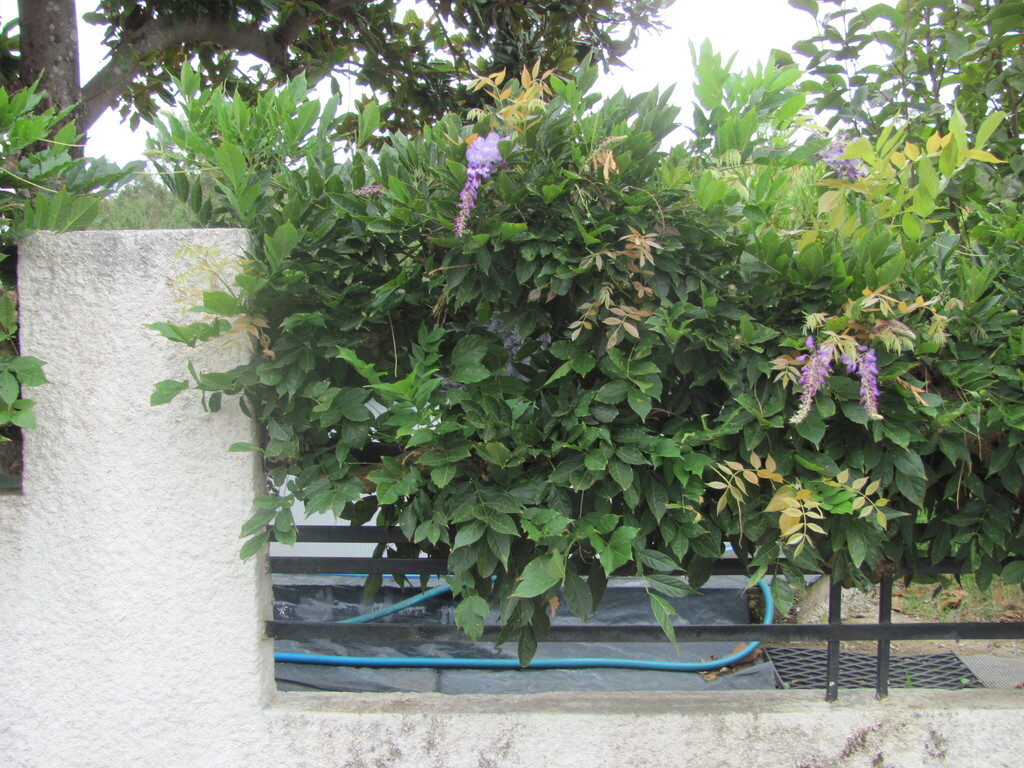
La wisteria es una impresionante y vigorosa enredadera leñosa conocida por sus espectaculares y fragantes racimos de flores. Crea una exhibición dramática en primavera, cubriendo pérgolas o paredes con facilidad. Esta planta necesita un soporte robusto porque se vuelve bastante pesada a medida que madura.
De un vistazo
- Nivel de cuidados
- Media
- Tipo de planta
- Enredadera leñosa caduca
- Luz
- Sol pleno a sombra ligera
- Luz en interior
- Sol directo
- Riego
- Cada 3 a 7 días
- Tamaño adulto
- 9 a 12 metros
- Ritmo de crecimiento
- Rápido
- Rusticidad
- USDA 5 a 9
- Floración
- Mediados a finales de primavera
Cuidados
Proporciona una celosía o pérgola muy resistente para soportar el crecimiento leñoso y pesado. Poda dos veces al año para fomentar la producción de flores y evitar que la enredadera se vuelva incontrolable. Presta atención a las hojas amarillentas, que pueden indicar un drenaje deficiente o deficiencias de nutrientes.
- Riego
- Mantén la tierra consistentemente húmeda, pero no encharcada, durante la temporada de crecimiento.
- Abonado
- Aplica un fertilizante equilibrado a principios de primavera para favorecer un crecimiento vigoroso.
- Poda
- Poda los brotes largos en verano y de nuevo en invierno para controlar el tamaño y promover las floraciones.
- Trasplante
- Trasplanta solo si es necesario, ya que estas plantas prefieren tener las raíces algo apretadas.
- Suelo
- Suelo húmedo, fértil y bien drenado
- pH del suelo
- Neutro a ligeramente ácido
- Temperatura
- -20 a 35°C
- Humedad
- 40 a 70%
- Tolerancia a la sequía
- Moderada
- Longevidad
- Perenne, a menudo vive de 50 a 100 años o más.
- Fragancia
- Intensa
- Resistencia a ciervos y conejos
- Moderada
Señales de que necesita trasplante
- Raíces que crecen por los agujeros de drenaje.
- El agua pasa directamente a través de la maceta sin empaparse.
- La planta deja de crecer a pesar de la alimentación regular.
Seguridad
- Personas
- Las semillas y las vainas contienen wisterina y lectinas, que son venenosas para los humanos.
- Mascotas
- Todas las partes de la planta son tóxicas para gatos y perros si se ingieren.
- Niños
- Mantén a los niños alejados de las vainas de las semillas, ya que parecen guisantes comestibles pero son muy tóxicas.
- Alérgenos por contacto
- El manejo de la savia o los tallos puede causar una leve irritación de la piel en personas sensibles.
- Alérgenos en el aire
- Las fragantes flores pueden desencadenar síntomas de fiebre del heno o asma en algunas personas durante la floración máxima.
- Comestibilidad
- Todas las partes de la glicina se consideran tóxicas si se ingieren y pueden causar graves trastornos gastrointestinales.
Cómo identificarla
- Hojas compuestas pinnadas con muchos foliolos
- Racimos largos y péndulos de flores fragantes
- Tallos leñosos trepadores que se enrollan en sentido horario
- Vainas de semillas aterciopeladas, parecidas a las judías
- Altura
- 3 a 9m
- Anchura
- 3 a 6m
- Hojas
- verde, caduco
- Flores
- morado, azul, blanco, 1 a 2cm
- Frutos
- marrón, Otoño
Problemas a vigilar
- Manchas foliaresComún
- OídioComún
- Barrenador de la gliciniaPoco común
- Cochinilla de la gliciniaPoco común
- Quemadura foliarPoco común
- ChancroRara
- Cochinilla de la glicina — Pequeños insectos que chupan la savia de los tallos, lo que a menudo provoca el crecimiento de moho negruzco.
- Mancha foliar — Infecciones fúngicas que causan manchas marrones o negras en el follaje durante el clima húmedo.
Por síntoma
Revisa tu glicina con una foto
Pocket Botanist mira una foto de tu planta y te dice qué le pasa y qué probar primero.
Cómo cultivarla
- Propagación
- esquejes, acodos, semilla
- Cuándo plantar
- primavera, otoño
- Cuidados en invierno
- Poda el crecimiento largo y delgado a finales del invierno para mantener la planta ordenada y fomentar las floraciones de primavera. Asegúrate de que la estructura sea lo suficientemente resistente para soportar el peso de la nieve o el hielo que se acumule en las enredaderas.
- En maceta
- La glicina se puede cultivar en contenedores grandes, pero requiere una maceta muy pesada para evitar que se vuelque y una poda de raíces regular.
Esquejes de madera blanda
- Toma esquejes de 6 pulgadas a principios de verano.
- Retira las hojas inferiores y sumerge la base en hormona de enraizamiento.
- Coloca en una mezcla de tierra húmeda y bien drenada.
- Cubre con una bolsa de plástico para mantener la humedad hasta que se formen las raíces.
Combina la glicina con plantas que aprecien la sombra moteada que proporciona una vez que el dosel se llena.
Buenas compañeras
Especies parecidas
- Enredadera trompeta — Es otra enredadera leñosa vigorosa que produce flores grandes y vistosas.
Ciencia
- Familia
- Fabaceae
- Género
- Wisteria
- Orden
- Fabales
- Clase
- Magnoliopsida
- Distribución natural
- Este de Estados Unidos, China, Japón y Corea.
- Conservación
- Ninguna de las especies comunes de jardín está actualmente catalogada como en peligro de extinción.
La glicina utiliza sus tallos retorcidos para trepar a árboles y estructuras para alcanzar la luz del sol en los bordes del bosque.
- Valor para la fauna
- fuente de néctar
- Polinizadores
- abejas, mariposas
- Usos
- trepadora ornamental, cubierta de pérgola, jardín para polinizadores
A lo largo del año
Indicadores ecológicos
- Salinidad
- 2/9
- Reacción del suelo
- 6/9
- Temperatura
- 6/9
- Humedad
- 5/9
- Nutrientes
- 5/9
- Luz
- 8/9
Taxonomía cotejada con GBIF.
Lo que más preguntan
- ¿Por qué no florece mi glicina?
- A menudo necesita una poda fuerte en verano e invierno para fomentar la formación de capullos florales en lugar de solo el crecimiento de las hojas.
- ¿Es invasiva la glicina?
- Algunas especies no nativas como la glicina china y japonesa pueden ser muy invasivas en ciertas regiones, así que consulta las regulaciones locales.
De dónde viene el nombre
El género fue nombrado en honor a Caspar Wistar, un médico y anatomista estadounidense.
Bueno saberlo
- Las glicinas pueden vivir más de 100 años.
- Las flores cuelgan en largos racimos péndulos que pueden alcanzar hasta 3 pies de largo.
- Algunas especies son capaces de retorcerse tanto en sentido horario como antihorario, dependiendo de la variedad.
- La wisteria pertenece a la familia de las leguminosas, Fabaceae.
También en
Que tu glicina siga creciendo
Esta página es una guía general. Guarda tu planta en Pocket Botanist y tendrás recordatorios de cuidado pensados para esta planta, además de un historial de cuidados que muestra qué ha funcionado.
Esta guía se ha generado con IA y se ha cotejado con la taxonomía de GBIF. Es información general, no asesoramiento botánico ni veterinario. Descubre cómo elaboramos estas guías.