 Pocket Botanist
Guía de plantas
Blackhaw Viburnum.
Viburnum prunifolium
Pronunciación vy-BUR-num proo-nih-FOH-lee-um
También se conoce como Black Haw, Black-haw viburnum, Blackhaw, Blackhaw Viburnum, VIBPRU


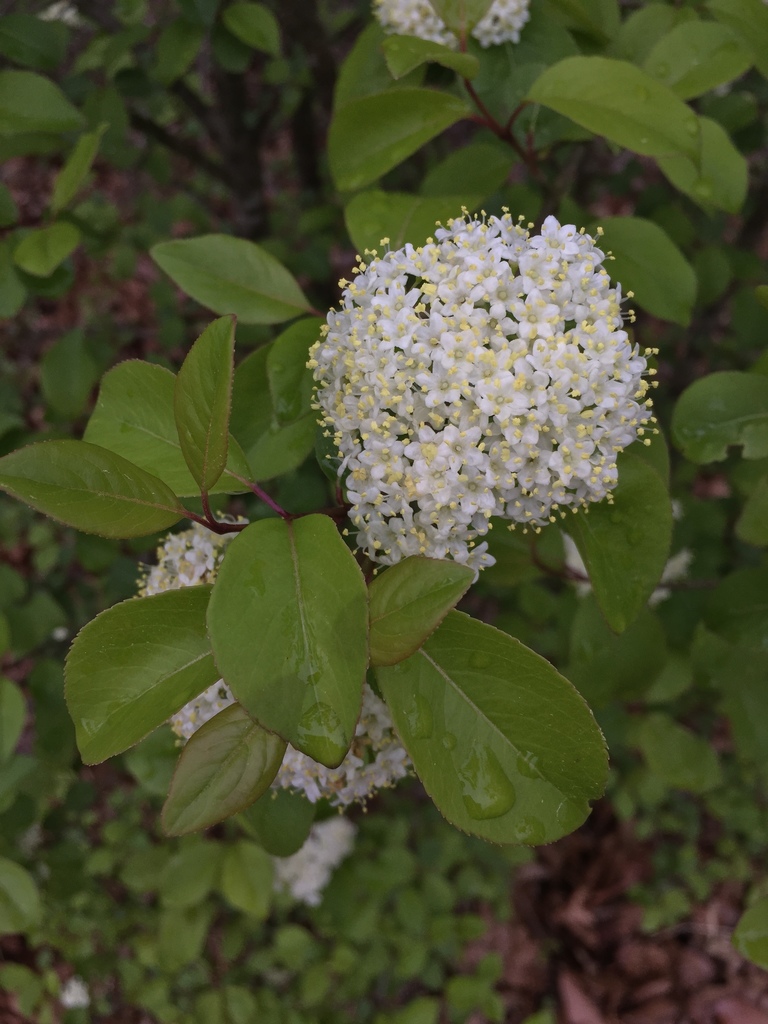
El Viburno de flor prieta es un arbusto nativo encantador que aporta interés estacional a cualquier jardín. Produce racimos de flores blancas en primavera seguidos de bayas azul oscuro que los pájaros disfrutan mucho. Verás que su follaje se vuelve de un hermoso color púrpura rojizo en otoño.
De un vistazo
- Nivel de cuidados
- Fácil
- Tipo de planta
- Arbusto caducifolio
- Luz
- Sol pleno a sombra parcial
- Luz en interior
- Luz indirecta brillante
- Riego
- Cada 7 a 14 días
- Tamaño adulto
- 4 a 5 metros
- Ritmo de crecimiento
- Medio
- Rusticidad
- USDA 3 a 9
- Floración
- Mediados a finales de primavera
Cuidados
Planta este arbusto en un suelo que drene bien y asegúrate de que reciba suficiente luz solar para que esté feliz. Observa si hay signos de estrés, como hojas caídas, que podrían indicar que necesita un poco más de agua durante las épocas secas. Vigila la aparición de plagas comunes como los pulgones durante el brote de crecimiento de primavera.
- Riego
- Riega consistentemente hasta que la planta esté establecida, luego se vuelve bastante tolerante a la sequía.
- Abonado
- Aplica un fertilizante equilibrado de liberación lenta una vez a principios de primavera antes de que comience el nuevo crecimiento.
- Poda
- Poda inmediatamente después de la floración para dar forma al arbusto y eliminar cualquier rama muerta o que se cruce.
- Trasplante
- Si se cultiva en un contenedor, trasplanta a una maceta más grande cada pocos años para renovar la tierra.
- Suelo
- Suelos bien drenados, francos o arcillosos
- pH del suelo
- Ácido a neutro
- Temperatura
- -30 a 35°C
- Humedad
- 40 a 70%
- Tolerancia a la sequía
- Moderada
- Longevidad
- Perenne, típicamente de 30 a 50 años.
- Fragancia
- Suave
- Resistencia a ciervos y conejos
- Moderada
Señales de que necesita trasplante
- Raíces que crecen fuera de los orificios de drenaje.
- El agua pasa directamente a través de la maceta sin remojarse.
Seguridad
- Personas
- La planta generalmente se considera no tóxica para los humanos, aunque las bayas deben consumirse con precaución.
- Mascotas
- Esta planta generalmente se considera no tóxica para gatos y perros.
- Niños
- Las bayas pueden representar un pequeño riesgo de asfixia para los niños pequeños si se ingieren en grandes cantidades.
- Alérgenos por contacto
- No hay irritantes cutáneos significativos asociados con esta planta.
- Alérgenos en el aire
- El polen puede causar alergias estacionales leves en personas sensibles.
- Comestibilidad
- Si bien los frutos son técnicamente comestibles, pueden causar malestar estomacal si se comen en grandes cantidades o cuando no están maduros.
Cómo identificarla
- Hojas ovaladas con bordes finamente aserrados
- Racimos de pequeñas flores blancas en primavera
- Bayas comestibles de azul oscuro a negro
- Ramas rígidas con corteza gris oscuro
- Altura
- 3 a 4,5m
- Anchura
- 2,5 a 4m
- Hojas
- verde, rojo, púrpura, caducifolio
- Flores
- blanco, 0,5 a 1cm
- Frutos
- azul, negro, Finales de verano a otoño
Problemas a vigilar
- Galeruca del viburnoComún
- OídioComún
- Manchas foliaresPoco común
- PulgonesPoco común
- ChancroRara
- Podredumbre radicularRara
- Escarabajo de la hoja de Viburnum — Pequeños escarabajos que pueden causar una defoliación significativa si no se controlan.
Por síntoma
Revisa tu blackhaw viburnum con una foto
Pocket Botanist mira una foto de tu planta y te dice qué le pasa y qué probar primero.
Cómo cultivarla
- Propagación
- esquejes, semilla, división
- Cuándo plantar
- primavera, otoño
- Cuidados en invierno
- Es completamente resistente y no requiere protección especial durante los meses de invierno.
- En maceta
- Generalmente es demasiado grande para el crecimiento en contenedores a largo plazo a menos que se mantenga en una tina muy grande.
Esquejes de madera blanda
- Tomar esquejes a principios de verano.
- Sumergir los extremos en hormona de enraizamiento.
- Colocar en un medio húmedo y bien drenado.
Plántalo con otros arbustos nativos del bosque para crear un hábitat en capas para las aves.
Buenas compañeras
- Amelanchier arborea — Comparten requisitos de suelo y luz similares en entornos boscosos.
- Asarum canadense — Es una cubierta vegetal encantadora debajo del arbusto.
Especies parecidas
- Viburnum lentago — Tiene un hábito de crecimiento similar pero una forma de hoja ligeramente diferente.
Ciencia
- Familia
- Viburnaceae
- Género
- Viburnum
- Orden
- Dipsacales
- Clase
- Magnoliopsida
- Distribución natural
- América del Norte oriental y central.
- Conservación
- Actualmente no es una preocupación de conservación y está ampliamente distribuido en su área de distribución nativa.
Prospera en bordes de bosques y matorrales donde proporciona alimento y refugio esencial para la fauna local.
- Valor para la fauna
- fuente de néctar, fruta para pájaros
- Polinizadores
- abejas, mariposas
- Usos
- arbusto ornamental, seto para la vida silvestre, jardín boscoso
A lo largo del año
Indicadores ecológicos
- Reacción del suelo
- 6/9
- Temperatura
- 5/9
- Humedad
- 5/9
- Nutrientes
- 5/9
- Salinidad
- 2/9
- Luz
- 6/9
Taxonomía cotejada con GBIF.
Lo que más preguntan
- ¿Qué tan grande crece?
- Normalmente crece de 10 a 15 pies de alto y ancho.
- ¿Necesita pleno sol?
- Prefiere pleno sol a sombra parcial para una mejor floración.
De dónde viene el nombre
El nombre prunifolium se refiere a las hojas, que se parecen a las de un ciruelo. Viburnum es el antiguo nombre latino para el árbol de marineros.
Bueno saberlo
- A menudo se le llama blackhaw porque la fruta se vuelve de un negro azulado oscuro cuando está madura.
- Las hojas se vuelven de un hermoso rojo intenso o púrpura en otoño.
- Se puede cultivar como un arbusto grande o un árbol pequeño de varios troncos.
Que tu blackhaw viburnum siga creciendo
Esta página es una guía general. Guarda tu planta en Pocket Botanist y tendrás recordatorios de cuidado pensados para esta planta, además de un historial de cuidados que muestra qué ha funcionado.
Esta guía se ha generado con IA y se ha cotejado con la taxonomía de GBIF. Es información general, no asesoramiento botánico ni veterinario. Descubre cómo elaboramos estas guías.