 Pocket Botanist
Guía de plantas
French tamarisk.
Tamarix gallica
Pronunciación ta-MAR-iks GAL-li-ka
También se conoce como French tamarisk, Tamarisk, saltcedar, tamarix


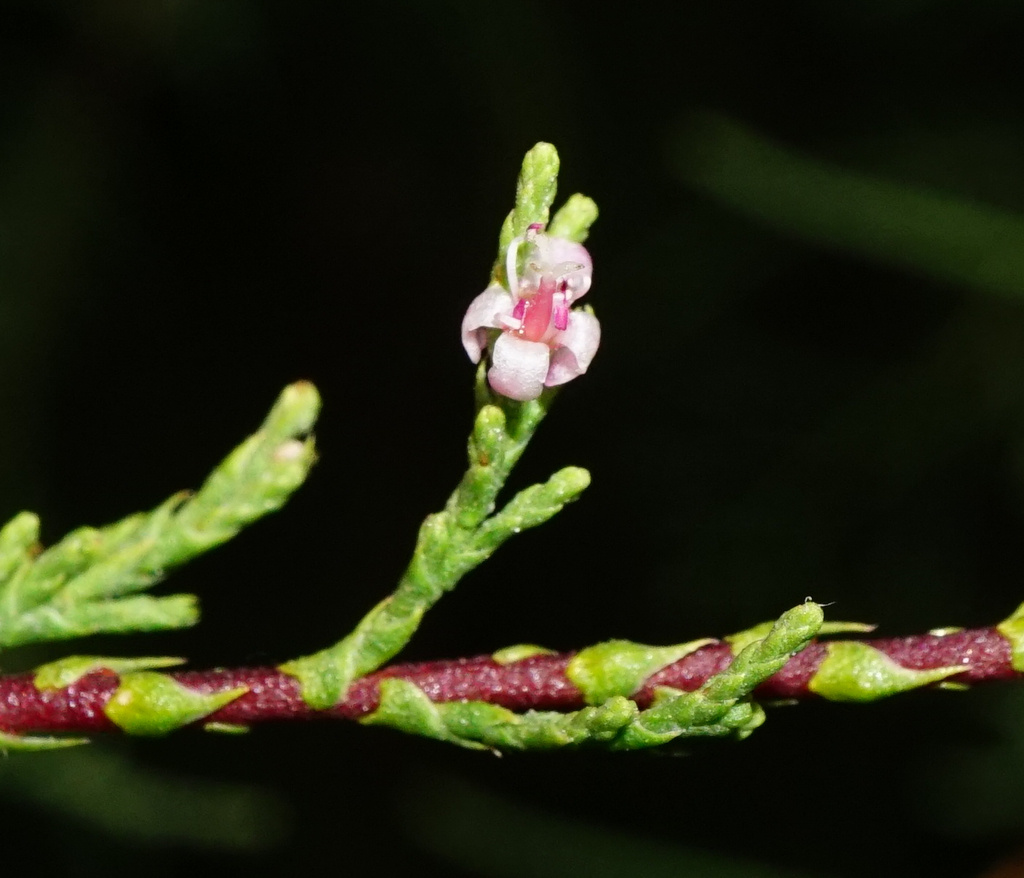
The French tamarisk is a hardy, salt tolerant shrub known for its feathery foliage and delicate pink flowers. It thrives in coastal environments and adds a soft, airy texture to any landscape. You will love how its wispy branches sway in the breeze.
De un vistazo
- Nivel de cuidados
- Fácil
- Tipo de planta
- Deciduous shrub
- Luz
- Full sun
- Luz en interior
- Sol directo
- Riego
- Cada 7 a 14 días
- Tamaño adulto
- 15 feet
- Ritmo de crecimiento
- Rápido
- Rusticidad
- USDA 5 a 9
- Floración
- Late spring to late summer
Cuidados
Plant this shrub in a spot with plenty of sun and well draining soil. Keep an eye out for yellowing leaves which might suggest poor drainage or too much shade. It is quite resilient once established and rarely needs fussing.
- Riego
- Water deeply during the first year to help the roots settle in.
- Abonado
- A light application of balanced fertilizer in early spring is plenty.
- Poda
- Prune back hard after flowering to keep the shrub dense and tidy.
- Trasplante
- Repotting is rarely needed for this plant as it prefers being in the ground.
- Suelo
- Sandy or saline soils
- pH del suelo
- Neutral to alkaline
- Temperatura
- -15 a 40°C
- Humedad
- 20 a 60%
Seguridad
- Personas
- The plant is generally considered non-toxic, but it is not meant for consumption.
- Niños
- The fine, needle-like foliage might be irritating if handled roughly by small children.
- Alérgenos por contacto
- The foliage can cause mild skin irritation in sensitive individuals.
- Alérgenos en el aire
- The pollen may trigger mild allergic reactions in some people during the flowering season.
- Comestibilidad
- This plant is not considered edible and may cause stomach upset if ingested.
Cómo identificarla
- Feathery scale like leaves
- Tiny pink flower spikes
- Slender reddish brown branches
- Deeply furrowed gray bark
- Altura
- 3 a 5m
- Anchura
- 2 a 4m
- Hojas
- blue-green, deciduous
- Flores
- pink, white, 0,3 a 0,5cm
Problemas frecuentes
- Scale insects — Small sap-sucking insects that can cause yellowing and stunted growth.
- Canker — Fungal infection causing dead patches on stems and branches.
Cómo cultivarla
- Propagación
- cuttings, seed
- Cuándo plantar
- spring, autumn
Pair this shrub with other salt-tolerant, sun-loving perennials to create a resilient coastal garden.
Buenas compañeras
- Limonium latifolium — It shares a love for sandy, well-draining soil and coastal conditions.
- Eryngium maritimum — This companion thrives in the same sunny, dry, and salty environments.
Especies parecidas
- Tamarix ramosissima — It is a closely related species often confused with T. gallica due to similar appearance.
Ciencia
- Familia
- Tamaricaceae
- Género
- Tamarix
- Orden
- Caryophyllales
- Clase
- Magnoliopsida
- Distribución natural
- Western Mediterranean and parts of Europe.
- Conservación
- It is considered invasive in some regions outside its native range, so check local regulations before planting.
It survives in harsh, saline environments by filtering salt through specialized glands on its leaves.
- Valor para la fauna
- nectar source
- Polinizadores
- abejas, mariposas
- Usos
- ornamental shrub, coastal windbreak, erosion control
A lo largo del año
Indicadores ecológicos
- Salinidad
- 8/9
- Reacción del suelo
- 7/9
- Luz
- 8/9
- Temperatura
- 6/9
- Humedad
- 3/9
- Nutrientes
- 2/9
Taxonomía cotejada con GBIF.
Lo que más preguntan
- Does it need pruning?
- Yes, prune back hard after flowering to keep it bushy and prevent it from becoming leggy.
- Can it grow in dry soil?
- Once established, it is quite drought tolerant and thrives in poor, sandy soils.
De dónde viene el nombre
The name Tamarix is derived from the Tamaris River in the Pyrenees, while gallica refers to its historical range in Gaul, or modern-day France.
Bueno saberlo
- It is incredibly tolerant of salt spray, making it perfect for seaside gardens.
- The feathery foliage gives the plant a soft, airy appearance.
- It was historically used to produce manna in some desert regions.
- The wood is sometimes used for small crafts.
¿Tu french tamarisk tiene mal aspecto?
Esta página es una guía general. Pocket Botanist diagnostica problemas a partir de una foto de tu propia planta, calcula el riego según tu luz y tus condiciones, y te avisa cuando toca cuidarla.
Esta guía se ha generado con IA y se ha cotejado con la taxonomía de GBIF. Es información general, no asesoramiento botánico ni veterinario. Descubre cómo elaboramos estas guías.