 Pocket Botanist
Guía de plantas
Field madder.
Sherardia arvensis
Pronunciación sheh-RAR-dee-uh ar-VEN-sis
También se conoce como Blue Field-madder, Blue Fieldmadder, Field Madder, Herb-sherard


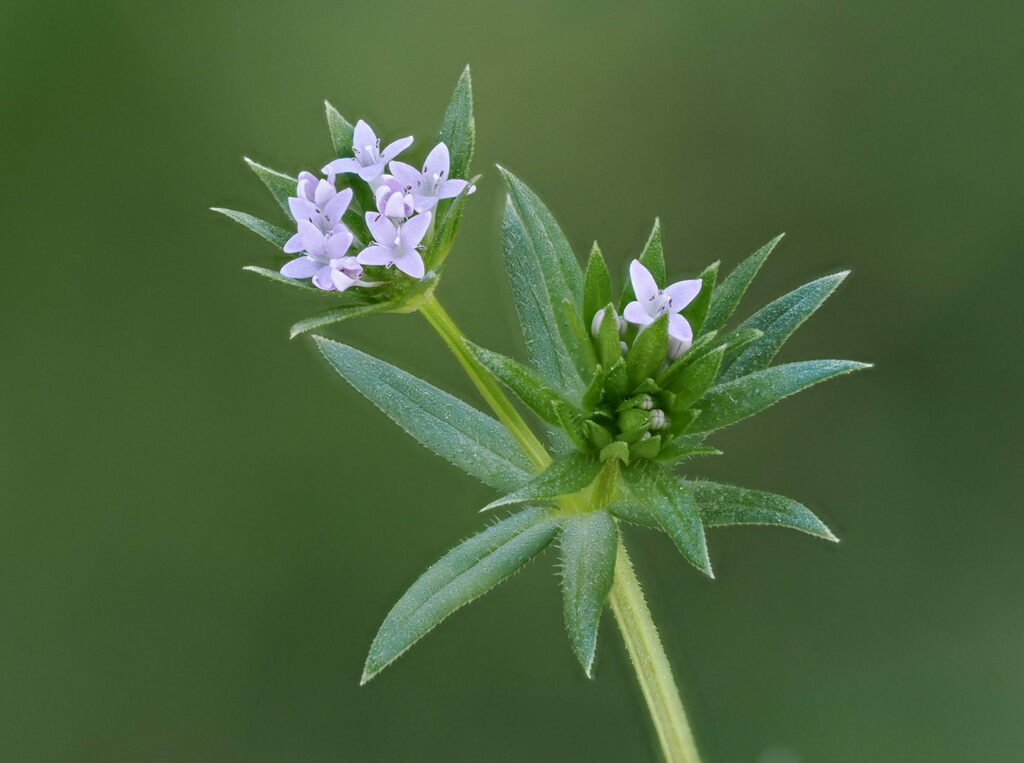
Field madder is a charming little annual that often pops up in fields and gardens as a weed. It features delicate, star shaped whorls of leaves and tiny, pale pink or lilac flowers. You will find it thrives in disturbed soil and open, sunny spots.

De un vistazo
- Nivel de cuidados
- Fácil
- Tipo de planta
- Annual herb
- Luz
- Full sun to partial shade
- Luz en interior
- Sol directo
- Riego
- Cada 3 a 7 días
- Tamaño adulto
- 15 cm
- Ritmo de crecimiento
- Rápido
- Rusticidad
- USDA 5 a 9
- Floración
- Late spring to early autumn
Cuidados
This plant is quite resilient and usually takes care of itself in its natural habitat. Keep an eye on soil moisture to ensure it does not dry out completely during germination. If you are growing it intentionally, just make sure it has plenty of space to spread.
- Riego
- Keep the soil consistently moist but not waterlogged while the plant is establishing.
- Abonado
- This plant generally does not require supplemental fertilizer when grown in garden soil.
- Poda
- Deadhead spent flowers if you want to prevent it from spreading seeds throughout your garden.
- Trasplante
- As an annual, this plant completes its life cycle in one season and does not require repotting.
- Suelo
- Well draining sandy or loamy soil
- pH del suelo
- Neutral to slightly alkaline
- Temperatura
- -15 a 30°C
- Humedad
- 40 a 70%
- Tolerancia a la sequía
- Moderada
- Longevidad
- Annual, typically 1 year
- Resistencia a ciervos y conejos
- Moderada
Seguridad
- Personas
- There are no reports of significant toxicity to humans.
- Niños
- The small size and delicate nature of this plant make it unlikely to pose a choking hazard, but ingestion should be avoided.
- Comestibilidad
- This plant is not considered edible and should be avoided.
Cómo identificarla
- Square stems with rough edges
- Whorls of six narrow leaves
- Tiny pale pink or lilac flowers
- Small fruit with persistent calyx teeth
- Altura
- 0,05 a 0,2m
- Anchura
- 0,1 a 0,3m
- Hojas
- green, deciduous
- Flores
- pink, lilac, 0,2 a 0,4cm
- Frutos
- brown, late summer
Problemas frecuentes
- Aphids — Small insects that may cluster on new growth.
Cómo cultivarla
- Propagación
- seed
- Cuándo plantar
- spring, autumn
- Cuidados en invierno
- As an annual, the plant completes its life cycle in one season and does not require special winter care.
- En maceta
- It grows well in shallow containers but is best suited for open ground.
Seed
- 1. Collect seeds in late summer.
- 2. Sow directly into prepared soil in autumn or spring.
- 3. Keep the soil lightly moist until germination.
Plant this in areas where you want a low growing carpet to suppress other opportunistic weeds.
Buenas compañeras
- Field Poppy — They share similar requirements for disturbed, sunny soil.
- Cornflower — They make excellent companions in a traditional wildflower meadow.
Especies parecidas
- Cleavers — They are related and share a similar leaf structure.
Ciencia
- Familia
- Rubiaceae
- Género
- Sherardia
- Orden
- Gentianales
- Clase
- Magnoliopsida
- Distribución natural
- Europe, Western Asia, and North Africa.
- Conservación
- It is a common weed and is not of conservation concern.
It thrives in open, sunny, and disturbed habitats where competition from taller plants is low.
- Valor para la fauna
- nectar source
- Polinizadores
- abejas, mariposas
- Usos
- ground cover, wildflower meadow filler
A lo largo del año
Indicadores ecológicos
- Salinidad
- 1/9
- Reacción del suelo
- 6/9
- Luz
- 7/9
- Temperatura
- 5/9
- Humedad
- 4/9
- Nutrientes
- 4/9
Taxonomía cotejada con GBIF.
Lo que más preguntan
- Is it a perennial?
- It is typically an annual plant.
- Does it spread easily?
- Yes, it produces seeds that germinate readily in open soil.
De dónde viene el nombre
The genus honors the English botanist William Sherard, while the species name arvensis refers to its tendency to grow in fields.
Bueno saberlo
- It is commonly known as field madder.
- The plant often grows in disturbed soils.
- It has a sprawling habit that creates a nice mat.
¿Tu field madder tiene mal aspecto?
Esta página es una guía general. Pocket Botanist diagnostica problemas a partir de una foto de tu propia planta, calcula el riego según tu luz y tus condiciones, y te avisa cuando toca cuidarla.
Esta guía se ha generado con IA y se ha cotejado con la taxonomía de GBIF. Es información general, no asesoramiento botánico ni veterinario. Descubre cómo elaboramos estas guías.