 Pocket Botanist
Guía de plantas
Giant sequoia.
Sequoiadendron giganteum
Pronunciación see-kwoy-uh-DEN-dron jy-GAN-tee-um
También se conoce como Bigtree, Giant Sequoia, Sequoia, Sierra Redwood, Wellingtonia, big-tree, giant redwood, giant-sequoia


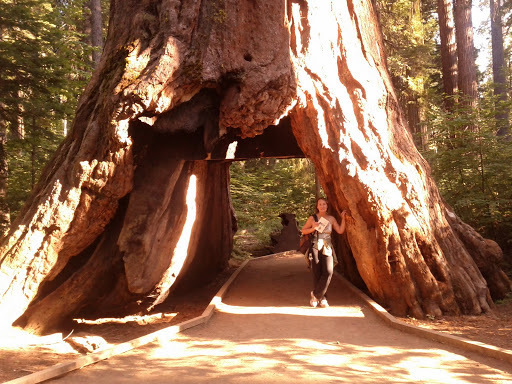
The giant sequoia is a massive, long lived evergreen conifer native to the western slopes of the Sierra Nevada mountains. It is truly a majestic tree that requires significant space to thrive. These giants are best suited for large landscapes where they can reach their full potential.
De un vistazo
- Nivel de cuidados
- Media
- Tipo de planta
- Conifer
- Luz
- Full sun
- Luz en interior
- Sol directo
- Riego
- Cada 7 a 14 días
- Tamaño adulto
- 250 feet
- Ritmo de crecimiento
- Rápido
- Rusticidad
- USDA 6 a 9
- Floración
- Late spring
Cuidados
Plant in deep, well draining soil and ensure the tree has plenty of room for its roots to spread. Watch for signs of drought stress like browning needles during hot, dry summers. Provide consistent moisture while the tree is young to help it establish a strong root system.
- Riego
- Keep the soil consistently moist but not waterlogged, especially during the first few years of growth.
- Abonado
- Apply a balanced, slow release fertilizer in early spring to support healthy growth.
- Poda
- Pruning is rarely needed, but you can remove dead or damaged branches in late winter.
- Trasplante
- These trees are generally grown outdoors, but if kept in containers, repot them every few years until they are ready for the ground.
- Suelo
- Deep, moist, well draining soil
- pH del suelo
- 5.5 to 7.5
- Temperatura
- -25 a 35°C
- Humedad
- 40 a 70%
Seguridad
- Personas
- The plant is not considered toxic to humans.
- Niños
- The large, heavy cones can pose a falling hazard if children are playing directly beneath the tree.
- Alérgenos por contacto
- The rough, fibrous bark can cause minor skin irritation if handled without gloves.
- Alérgenos en el aire
- Pollen may cause mild seasonal allergies in sensitive individuals.
- Comestibilidad
- The foliage and cones are not considered edible for humans.
Cómo identificarla
- Massive, reddish brown fibrous bark
- Awl shaped, blue green needles
- Small, egg shaped woody cones
- Conical shape when young
- Extremely thick, fire resistant trunk
- Altura
- 15 a 80m
- Anchura
- 5 a 20m
- Hojas
- blue-green, dark green, evergreen
- Flores
- yellow, 0,5 a 1cm
- Frutos
- brown, Autumn
Problemas frecuentes
- Botryosphaeria canker — A fungal infection that causes branch dieback and lesions on the bark.
- Spider mites — Tiny pests that suck sap from needles, causing yellowing and webbing.
Cómo cultivarla
- Propagación
- seed
- Cuándo plantar
- spring, autumn
Plant in large open spaces to allow for the massive root system to spread without damaging structures.
Buenas compañeras
- Abies concolor — They naturally occur together in mixed conifer forests.
- Pinus lambertiana — This pine shares the same habitat requirements and ecological niche.
Especies parecidas
- Sequoia sempervirens — It is a related giant conifer that prefers coastal fog rather than mountain snow.
- Secuoya de los Apeninos — It is a deciduous relative that is much smaller and more suitable for home gardens.
Ciencia
- Familia
- Cupressaceae
- Género
- Sequoiadendron
- Orden
- Pinales
- Clase
- Pinopsida
- Distribución natural
- Western slopes of the Sierra Nevada mountains in California.
- Conservación
- This species is listed as endangered in its native range due to habitat loss and climate change.
They thrive in mountain climates with deep, well-drained soils and regular winter snowpack.
- Valor para la fauna
- nesting habitat, cover for small mammals
- Polinizadores
- abejas
- Usos
- ornamental specimen, timber, reforestation
A lo largo del año
Indicadores ecológicos
- Salinidad
- 1/9
- Reacción del suelo
- 5/9
- Luz
- 8/9
- Temperatura
- 4/9
- Humedad
- 6/9
- Nutrientes
- 5/9
Taxonomía cotejada con GBIF.
Lo que más preguntan
- Can I grow a giant sequoia in a small garden?
- No, they require significant space to reach their massive mature size.
- How fast do they grow?
- They grow relatively quickly when young but slow down as they age.
De dónde viene el nombre
The genus name honors Sequoyah, the creator of the Cherokee syllabary, while the species name refers to its immense size.
Bueno saberlo
- Their bark can be up to two feet thick to protect against fire.
- They rely on fire to open their cones and release seeds.
- They can live for over 3,000 years.
- They are the most massive trees on the planet by volume.
¿Tu giant sequoia tiene mal aspecto?
Esta página es una guía general. Pocket Botanist diagnostica problemas a partir de una foto de tu propia planta, calcula el riego según tu luz y tus condiciones, y te avisa cuando toca cuidarla.
Esta guía se ha generado con IA y se ha cotejado con la taxonomía de GBIF. Es información general, no asesoramiento botánico ni veterinario. Descubre cómo elaboramos estas guías.