 Pocket Botanist
Guide botanique
Giant sequoia.
Sequoiadendron giganteum
Prononciation see-kwoy-uh-DEN-dron jy-GAN-tee-um
Aussi appelée Bigtree, Giant Sequoia, Sequoia, Sierra Redwood, Wellingtonia, big-tree, giant redwood, giant-sequoia


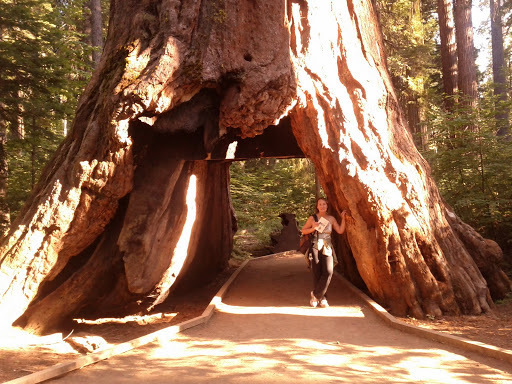
The giant sequoia is a massive, long lived evergreen conifer native to the western slopes of the Sierra Nevada mountains. It is truly a majestic tree that requires significant space to thrive. These giants are best suited for large landscapes where they can reach their full potential.
En un coup d'œil
- Niveau d'entretien
- Moyenne
- Type de plante
- Conifer
- Lumière
- Full sun
- Lumière en intérieur
- Soleil direct
- Arrosage
- Tous les 7 à 14 jours
- Taille adulte
- 250 feet
- Croissance
- Rapide
- Rusticité
- USDA 6 à 9
- Floraison
- Late spring
Entretien
Plant in deep, well draining soil and ensure the tree has plenty of room for its roots to spread. Watch for signs of drought stress like browning needles during hot, dry summers. Provide consistent moisture while the tree is young to help it establish a strong root system.
- Arrosage
- Keep the soil consistently moist but not waterlogged, especially during the first few years of growth.
- Engrais
- Apply a balanced, slow release fertilizer in early spring to support healthy growth.
- Taille
- Pruning is rarely needed, but you can remove dead or damaged branches in late winter.
- Rempotage
- These trees are generally grown outdoors, but if kept in containers, repot them every few years until they are ready for the ground.
- Sol
- Deep, moist, well draining soil
- pH du sol
- 5.5 to 7.5
- Température
- -25 à 35°C
- Humidité
- 40 à 70%
Sécurité
- Humains
- The plant is not considered toxic to humans.
- Enfants
- The large, heavy cones can pose a falling hazard if children are playing directly beneath the tree.
- Allergènes de contact
- The rough, fibrous bark can cause minor skin irritation if handled without gloves.
- Allergènes aéroportés
- Pollen may cause mild seasonal allergies in sensitive individuals.
- Comestibilité
- The foliage and cones are not considered edible for humans.
Comment l'identifier
- Massive, reddish brown fibrous bark
- Awl shaped, blue green needles
- Small, egg shaped woody cones
- Conical shape when young
- Extremely thick, fire resistant trunk
- Hauteur
- 15 à 80m
- Envergure
- 5 à 20m
- Feuilles
- blue-green, dark green, evergreen
- Fleurs
- yellow, 0,5 à 1cm
- Fruits
- brown, Autumn
Problèmes courants
- Botryosphaeria canker — A fungal infection that causes branch dieback and lesions on the bark.
- Spider mites — Tiny pests that suck sap from needles, causing yellowing and webbing.
La cultiver
- Multiplication
- seed
- Quand planter
- spring, autumn
Plant in large open spaces to allow for the massive root system to spread without damaging structures.
Bonnes associations
- Abies concolor — They naturally occur together in mixed conifer forests.
- Pinus lambertiana — This pine shares the same habitat requirements and ecological niche.
Espèces similaires
- Sequoia sempervirens — It is a related giant conifer that prefers coastal fog rather than mountain snow.
- Séquoia d'eau — It is a deciduous relative that is much smaller and more suitable for home gardens.
Science
- Famille
- Cupressaceae
- Genre
- Sequoiadendron
- Ordre
- Pinales
- Classe
- Pinopsida
- Région d'origine
- Western slopes of the Sierra Nevada mountains in California.
- Préservation
- This species is listed as endangered in its native range due to habitat loss and climate change.
They thrive in mountain climates with deep, well-drained soils and regular winter snowpack.
- Intérêt pour la faune
- nesting habitat, cover for small mammals
- Pollinisateurs
- abeilles
- Utilisations
- ornamental specimen, timber, reforestation
Au fil des saisons
Repères écologiques
- Salinité
- 1/9
- Réaction du sol
- 5/9
- Lumière
- 8/9
- Température
- 4/9
- Humidité
- 6/9
- Nutriments
- 5/9
Taxonomie vérifiée avec le GBIF.
Ce qu'on demande souvent
- Can I grow a giant sequoia in a small garden?
- No, they require significant space to reach their massive mature size.
- How fast do they grow?
- They grow relatively quickly when young but slow down as they age.
D'où vient le nom
The genus name honors Sequoyah, the creator of the Cherokee syllabary, while the species name refers to its immense size.
Bon à savoir
- Their bark can be up to two feet thick to protect against fire.
- They rely on fire to open their cones and release seeds.
- They can live for over 3,000 years.
- They are the most massive trees on the planet by volume.
Ta plante a mauvaise mine ?
Cette page est un guide général. Pocket Botanist diagnostique les problèmes directement à partir d'une photo de ta plante, adapte l'arrosage à sa luminosité et te prévient quand il faut t'en occuper.
Ce guide a été généré par IA et vérifié avec la taxonomie du GBIF. Il s'agit d'informations générales, et non de conseils horticoles ou vétérinaires. Découvre comment nous concevons ces guides.