 Pocket Botanist
Guía de plantas
Chayote.
Sechium edule
Pronunciación SEE-kee-um ED-yoo-lee
También se conoce como Chayote, cho-cho, christophine, vegetable-pear


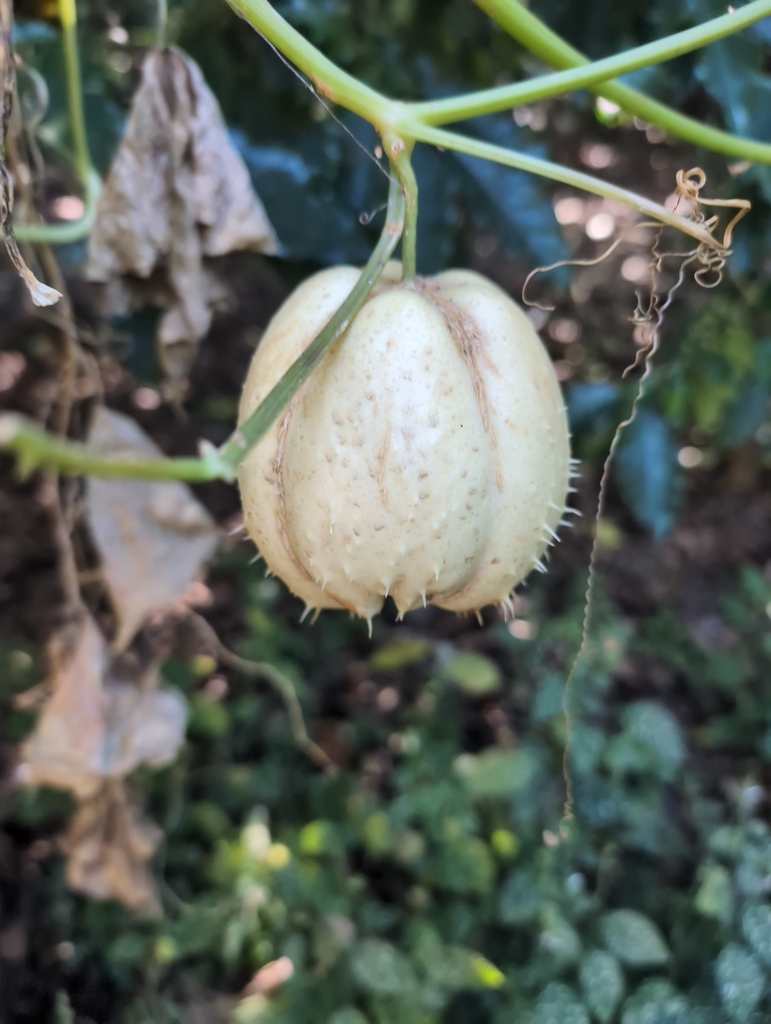
Chayote is a vigorous, perennial vine in the gourd family that produces edible, pear shaped fruits. It thrives in warm climates and loves to climb over trellises or fences. You will find it is quite productive once it gets established.
De un vistazo
- Nivel de cuidados
- Media
- Tipo de planta
- Perennial vine
- Luz
- Full sun
- Luz en interior
- Sol directo
- Riego
- Cada 2 a 4 días
- Tamaño adulto
- 10 to 20 feet
- Ritmo de crecimiento
- Rápido
- Rusticidad
- USDA 8 a 11
- Floración
- Late summer to autumn
Cuidados
Provide a sturdy trellis for the vine to climb as it grows very quickly. Keep the soil consistently moist and watch for wilting during the hottest part of the day. Ensure the plant is protected from frost as it is very sensitive to cold temperatures.
- Riego
- Keep the soil evenly moist but not waterlogged to support rapid fruit production.
- Abonado
- Apply a balanced fertilizer monthly during the active growing season to encourage healthy vine growth.
- Poda
- Trim back excessive growth to keep the vine manageable and improve airflow.
- Trasplante
- If growing in a container, move to a larger pot once the roots become crowded.
- Suelo
- Rich, well draining soil
- pH del suelo
- 6.0 to 7.0
- Temperatura
- 10 a 35°C
- Humedad
- 60 a 90%
- Tolerancia a la sequía
- Baja
- Longevidad
- Perennial, typically 3 to 5 years
- Resistencia a ciervos y conejos
- Moderada
Señales de que necesita trasplante
- Roots growing out of drainage holes
- Stunted growth despite regular feeding
Seguridad
- Personas
- The plant is generally non-toxic, though the sap may cause temporary skin irritation or numbness.
- Niños
- The large, heavy fruits can be a falling hazard if grown on overhead trellises.
- Alérgenos por contacto
- The sap contains compounds that can cause temporary skin numbness or irritation upon contact.
- Alérgenos en el aire
- There are no notable respiratory allergens associated with this plant.
- Comestibilidad
- The fruit is edible, but the sap can cause skin numbness if handled in large quantities.
Cómo identificarla
- Pear shaped light green fruit
- Large heart shaped lobed leaves
- Vigorous climbing tendrils
- Small white or cream flowers
- Altura
- 3 a 12m
- Anchura
- 2 a 6m
- Hojas
- green, deciduous
- Flores
- white, green, 0,5 a 1,5cm
- Frutos
- green, white, Autumn to winter
Problemas frecuentes
- Aphids — Small insects that cluster on new growth and suck sap.
- Powdery mildew — A fungal infection causing white dusty spots on leaves.
Cómo cultivarla
- Propagación
- seed
- Cuándo plantar
- Spring
- Cuidados en invierno
- In cooler areas, mulch the base heavily after the foliage dies back to protect the roots from frost. In areas with hard freezes, the plant is typically grown as an annual.
- En maceta
- It requires a very large container of at least 40 liters to accommodate its vigorous root system.
Seed (Whole Fruit)
- Select a mature, unblemished fruit.
- Place the fruit on its side in a pot of well draining soil.
- Keep the soil moist until a shoot emerges from the stem end.
Plant near tall, sturdy crops that can act as a natural trellis for the heavy vines.
Buenas compañeras
- Maíz — Corn provides a sturdy structure for the vine to climb.
- Judía común — Beans fix nitrogen in the soil which helps the vine grow.
Especies parecidas
- pepino — Both are members of the same family with similar growth habits.
Ciencia
- Familia
- Cucurbitaceae
- Género
- Sechium
- Orden
- Cucurbitales
- Clase
- Magnoliopsida
- Distribución natural
- Central and South America
- Conservación
- This species is widely cultivated and not of conservation concern.
It thrives in warm, humid climates and naturally climbs over other vegetation to reach sunlight.
- Valor para la fauna
- nectar source
- Polinizadores
- abejas, mariposas
- Usos
- culinary vegetable, ornamental vine, ground cover
A lo largo del año
Indicadores ecológicos
- Salinidad
- 2/9
- Reacción del suelo
- 6/9
- Luz
- 7/9
- Temperatura
- 8/9
- Humedad
- 7/9
- Nutrientes
- 6/9
Taxonomía cotejada con GBIF.
Lo que más preguntan
- How do I plant a chayote?
- Simply bury the entire fruit halfway into the soil with the sprout end angled upward.
- Does it need a trellis?
- Yes, it is a climbing vine that performs best with strong support.
De dónde viene el nombre
The name Sechium comes from the Greek word for gourd, while edule means edible. Chayote is derived from the Nahuatl word chayotli.
Bueno saberlo
- Chayote is a member of the gourd family.
- The roots are also edible and sometimes harvested like potatoes.
- It is a vigorous climber that can cover fences quickly.
- The fruit is often used in soups and stir fries.
¿Tu chayote tiene mal aspecto?
Esta página es una guía general. Pocket Botanist diagnostica problemas a partir de una foto de tu propia planta, calcula el riego según tu luz y tus condiciones, y te avisa cuando toca cuidarla.
Esta guía se ha generado con IA y se ha cotejado con la taxonomía de GBIF. Es información general, no asesoramiento botánico ni veterinario. Descubre cómo elaboramos estas guías.