 Pocket Botanist
Guía de plantas
Russel's Holiday Cactus.
Schlumbergera bridgesii
Pronunciación shlum-BER-ger-uh rus-el-ee-AY-nuh
También se conoce como Schlumbergera bridgesii


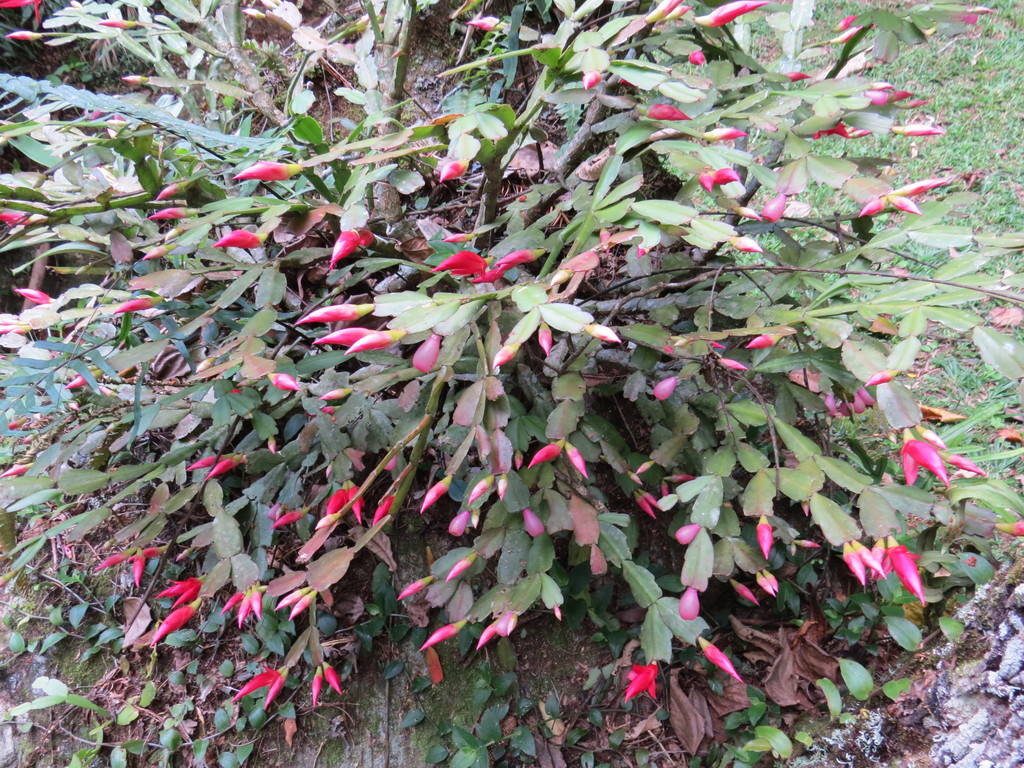
This lovely epiphyte is a unique member of the holiday cactus family. It features distinct, rounded stem segments that set it apart from its more common cousins. It is a wonderful choice if you enjoy watching delicate, pendulous flowers bloom in the cooler months.
De un vistazo
- Nivel de cuidados
- Media
- Tipo de planta
- Epiphytic cactus
- Luz
- Bright, filtered light is best.
- Luz en interior
- Luz indirecta brillante
- Riego
- Cada 7 a 14 días
- Tamaño adulto
- 1 to 2 feet
- Ritmo de crecimiento
- Medio
Cuidados
Keep the soil lightly moist during the growing season, but let it dry out slightly between waterings to prevent root rot. Watch for shriveling stems, which often signal that the plant needs a bit more hydration. Ensure it gets cooler temperatures in the fall to encourage those beautiful blooms.
- Riego
- Water when the top inch of soil feels dry to the touch.
- Abonado
- Use a balanced liquid fertilizer during the active growing season.
- Poda
- Trim back long stems after flowering to encourage a bushier shape.
- Trasplante
- Repot only when the plant has become root bound.
- Suelo
- Well-draining, airy potting mix.
- pH del suelo
- 5.5 to 6.5
Seguridad
- Mascotas
- This plant is considered non-toxic to cats and dogs.
Cómo identificarla
- Rounded or scalloped stem segments
- Pendulous growth habit
- Magenta to pink tubular flowers
- Small, spineless succulent stems
Ciencia
- Familia
- Cactaceae
- Género
- Schlumbergera
- Orden
- Caryophyllales
- Clase
- Magnoliopsida
Taxonomía cotejada con GBIF.
¿Tu russel's holiday cactus tiene mal aspecto?
Esta página es una guía general. Pocket Botanist diagnostica problemas a partir de una foto de tu propia planta, calcula el riego según tu luz y tus condiciones, y te avisa cuando toca cuidarla.
Esta guía se ha generado con IA y se ha cotejado con la taxonomía de GBIF. Es información general, no asesoramiento botánico ni veterinario. Descubre cómo elaboramos estas guías.