 Pocket Botanist
Guía de plantas
Wineberry.
Rubus phoenicolasius
Pronunciación ROO-bus fee-nik-oh-LAY-see-us
También se conoce como Hairy Bramble, Japanese Wineberry, Purple-leaf Blackberry, Wine Raspberry, Wine Raspberry, Wineberry, Wineberry


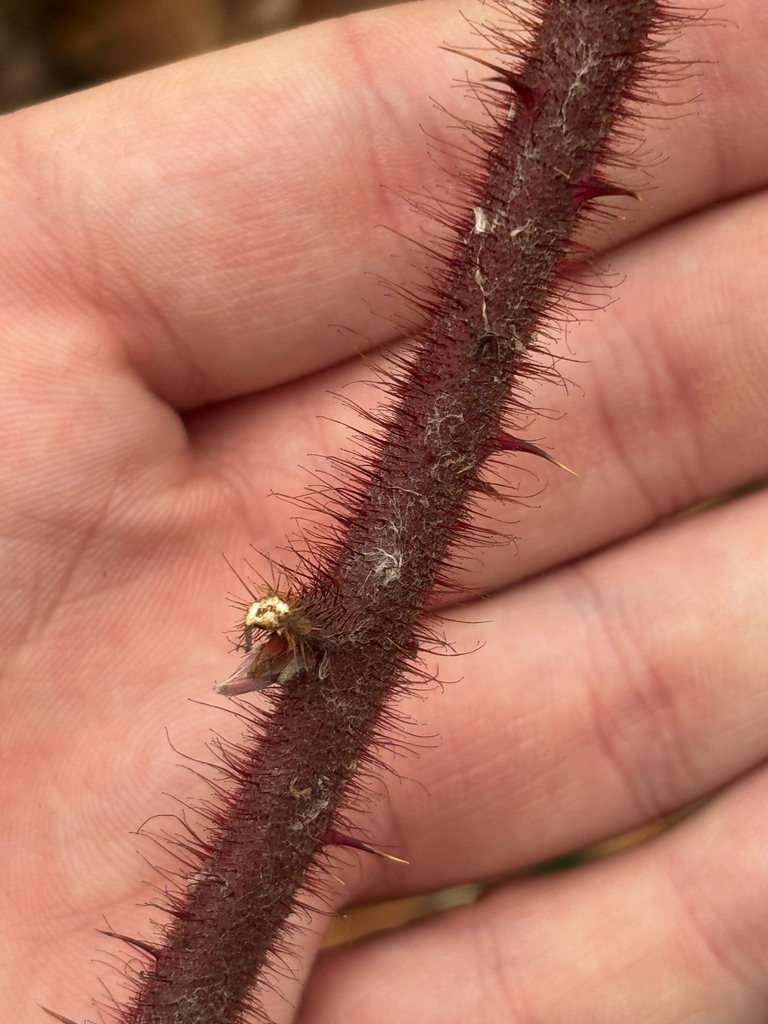
The wineberry is a charming bramble that produces delicious, tart red fruits in the summer. It is known for its distinctive reddish, hairy canes that add a unique texture to the garden. You will love how easily it spreads, though it can be quite vigorous if left unchecked.

De un vistazo
- Nivel de cuidados
- Fácil
- Tipo de planta
- Deciduous shrub
- Luz
- Full sun
- Luz en interior
- Sol directo
- Riego
- Cada 5 a 10 días
- Tamaño adulto
- 6 to 9 feet tall
- Ritmo de crecimiento
- Rápido
- Rusticidad
- USDA 5 a 9
- Floración
- Late spring to early summer
Cuidados
Plant this shrub in a sunny spot with well draining soil to encourage the best fruit production. Keep an eye on the canes, as they can root wherever they touch the ground. Prune away old canes that have already fruited to keep the plant tidy.
- Riego
- Keep the soil consistently moist but never soggy during the growing season.
- Abonado
- Apply a balanced organic fertilizer in early spring as new growth begins.
- Poda
- Cut back canes that have finished fruiting in late summer or autumn.
- Trasplante
- If growing in a container, move to a larger pot every few years to accommodate the root system.
- Suelo
- Loamy, moist, well drained
- pH del suelo
- 6.0 to 7.0
- Temperatura
- -25 a 35°C
- Humedad
- 40 a 70%
- Tolerancia a la sequía
- Moderada
- Longevidad
- Perennial, typically 5 to 10 years
- Resistencia a ciervos y conejos
- Moderada
Señales de que necesita trasplante
- Roots growing out of drainage holes.
- Stunted growth despite regular feeding.
- Soil drying out very quickly.
Seguridad
- Personas
- The plant is not toxic, but the stems are covered in sharp, glandular prickles that can cause skin irritation.
- Niños
- The stems are covered in sharp prickles that can scratch children, so keep them away from play areas.
- Alérgenos por contacto
- The glandular hairs on the stems can cause mechanical irritation to sensitive skin.
- Alérgenos en el aire
- Pollen may cause mild reactions in sensitive individuals during the flowering season.
- Comestibilidad
- Wash fruit thoroughly to remove any debris or potential contaminants from the sticky hairs.
Cómo identificarla
- Reddish stems covered in fine hairs
- Compound leaves with three leaflets
- Bright red, edible berry clusters
- White flowers with reddish sepals
- Altura
- 1,5 a 3m
- Anchura
- 1,5 a 3m
- Hojas
- green, deciduous
- Flores
- white, pink, 1 a 2cm
- Frutos
- red, Summer
Problemas frecuentes
- Raspberry cane blight — A fungal infection that causes lesions on the canes and can kill fruit-bearing branches.
- Aphids — Small insects that suck sap from new growth and can spread viral diseases.
Cómo cultivarla
- Propagación
- seed, cuttings, division
- Cuándo plantar
- spring, autumn
- Cuidados en invierno
- Cut back old fruiting canes to the ground in late autumn. Mulch around the base to protect roots from extreme temperature fluctuations.
- En maceta
- It is not recommended for containers due to its vigorous, sprawling nature and sharp prickles.
Tip Layering
- 1. Bend a healthy cane tip to the ground in late summer.
- 2. Bury the tip in a few inches of soil.
- 3. Wait for roots to form at the tip.
- 4. Sever the new plant from the parent in spring.
- 5. Transplant to a new location.
Plant in areas where you can easily contain its spread, as it roots wherever canes touch the ground.
Buenas compañeras
- Amelanchier — They share similar soil requirements and provide layered habitat.
- Wild Bergamot — It attracts pollinators that help with fruit set.
Especies parecidas
- Rubus occidentalis — It has a similar growth habit but produces black fruit.
- Raspberry — It is a close relative with similar cultural needs.
Ciencia
- Familia
- Rosaceae
- Género
- Rubus
- Orden
- Rosales
- Clase
- Magnoliopsida
- Distribución natural
- Eastern Asia
- Conservación
- This species is considered invasive in many parts of North America and should be managed carefully.
It thrives in forest edges and disturbed areas where it can climb over other vegetation to reach sunlight.
- Valor para la fauna
- nectar source, provides shelter for birds
- Polinizadores
- abejas, mariposas
- Usos
- culinary fruit, wildlife habitat, hedgerows
A lo largo del año
Indicadores ecológicos
- Salinidad
- 2/9
- Reacción del suelo
- 5/9
- Luz
- 6/9
- Temperatura
- 5/9
- Humedad
- 5/9
- Nutrientes
- 5/9
Taxonomía cotejada con GBIF.
Lo que más preguntan
- Is wineberry invasive?
- Yes, it is considered invasive in many regions because it outcompetes native plants.
- How do I prune it?
- Remove the canes that have already fruited in late summer to encourage new growth.
De dónde viene el nombre
The species name phoenicolasius comes from Greek words meaning purple-red and hairy, referring to the stems.
Bueno saberlo
- The fruit is often called wineberry because of its deep red color.
- The stems are covered in reddish, glandular hairs that give the plant a fuzzy appearance.
- It is a member of the rose family.
- The fruit is softer and more delicate than standard raspberries.
- It spreads by rooting at the tips of the canes.
¿Tu wineberry tiene mal aspecto?
Esta página es una guía general. Pocket Botanist diagnostica problemas a partir de una foto de tu propia planta, calcula el riego según tu luz y tus condiciones, y te avisa cuando toca cuidarla.
Esta guía se ha generado con IA y se ha cotejado con la taxonomía de GBIF. Es información general, no asesoramiento botánico ni veterinario. Descubre cómo elaboramos estas guías.