 Pocket Botanist
Guía de plantas
Bambú Dorado.
Phyllostachys aurea
Pronunciación fil-lo-STAK-iss AW-ree-uh
También se conoce como Bambú Dorado, bambú caña de pescar, fishpole bamboo


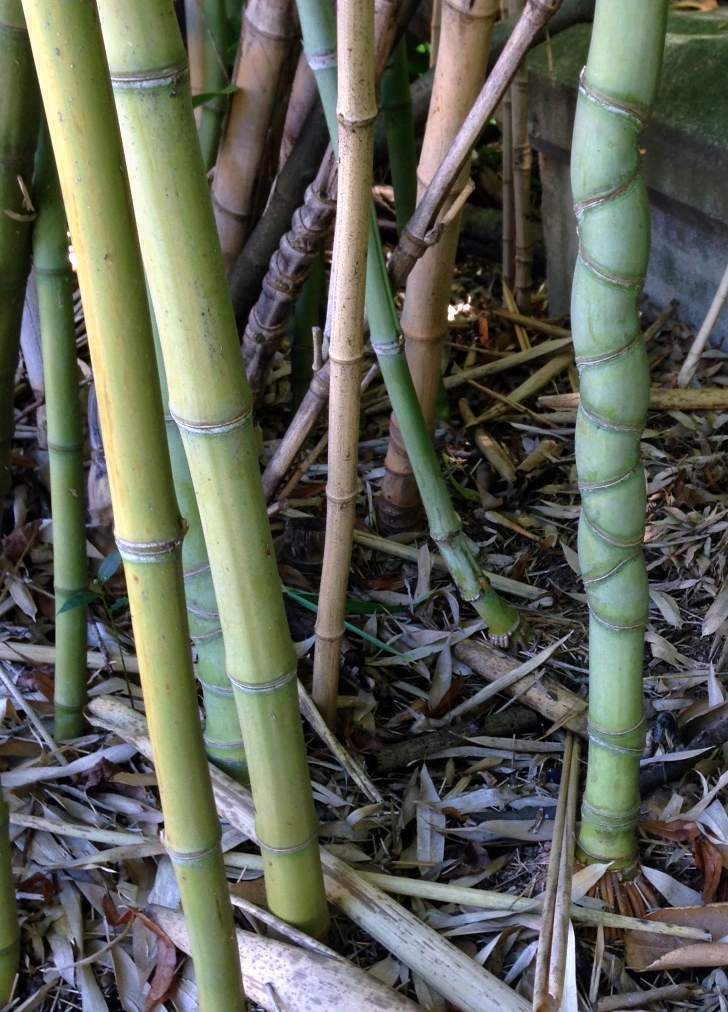
El bambú dorado es una hierba vigorosa, que forma matas o se extiende, conocida por sus llamativos culmos amarillos. Crea una pantalla densa y atractiva en el jardín si se le da suficiente espacio para extenderse. Ten en cuenta que puede ser bastante agresiva si no se contiene adecuadamente.

De un vistazo
- Nivel de cuidados
- Fácil
- Tipo de planta
- Hierba perenne
- Luz
- Pleno sol a sombra parcial
- Luz en interior
- Luz indirecta brillante
- Riego
- Cada 3 a 7 días
- Tamaño adulto
- 6 a 9 metros
- Ritmo de crecimiento
- Rápido
- Rusticidad
- USDA 7 a 10
- Floración
- Rara vez florece, generalmente cada 30 a 60 años.
Cuidados
Mantén la tierra constantemente húmeda pero nunca encharcada para asegurar un crecimiento saludable. Vigila si las hojas se marchitan como señal de falta de riego, y poda los culmos viejos o dañados a finales del invierno para mantener el grupo ordenado. Usa una barrera de raíces si quieres evitar que se extienda más allá del área deseada.
- Riego
- Riega regularmente durante la temporada de crecimiento para mantener la tierra uniformemente húmeda.
- Abonado
- Aplica un fertilizante equilibrado, alto en nitrógeno, durante los meses de primavera y verano.
- Poda
- Aclara los culmos muertos o superpoblados una vez al año a finales del invierno.
- Trasplante
- Trasplanta solo si la planta se queda sin espacio en la maceta o necesita división para controlar su tamaño.
- Suelo
- Suelo rico, bien drenado y franco
- pH del suelo
- 6.0 a 7.5
- Temperatura
- -18 a 38°C
- Humedad
- 40 a 70%
- Tolerancia a la sequía
- Moderada
- Longevidad
- Perenne, puede vivir muchas décadas.
- Resistencia a ciervos y conejos
- Moderada
Señales de que necesita trasplante
- Raíces que crecen fuera de los orificios de drenaje.
- Crecimiento atrofiado a pesar de la alimentación regular.
- La tierra se seca muy rápido.
Seguridad
- Personas
- Esta planta no se considera tóxica para los humanos.
- Mascotas
- Esta planta generalmente se considera no tóxica para gatos y perros.
- Niños
- Las puntas afiladas de los brotes nuevos pueden ser un peligro de punción para los niños pequeños.
- Alérgenos por contacto
- Las vainas rígidas y papiráceas del nuevo crecimiento pueden causar una leve irritación de la piel.
- Alérgenos en el aire
- El polen se produce raramente pero puede causar reacciones leves en personas sensibles.
- Comestibilidad
- Los brotes jóvenes solo son comestibles después de hervirlos a fondo para eliminar los compuestos amargos.
Cómo identificarla
- culmos huecos de color verde amarillento a dorado
- nodos cerca de la base a menudo comprimidos
- hojas verdes en forma de lanza
- hábito de crecimiento denso
- tallos leñosos erguidos
- Altura
- 3 a 8m
- Anchura
- 2 a 5m
- Hojas
- verde, perenne
- Flores
- amarillo, blanco, 1 a 2cm
Problemas a vigilar
- Araña rojaComún
- Podredumbre radicularComún
- Bordes marrones en las hojasPoco común
- Quemadura foliarPoco común
- Ácaro del Bambú — Diminutos ácaros que crean manchas amarillas en las hojas.
- Pudrición de Raíz — Ocurre en suelos encharcados con mal drenaje.
Por síntoma
Revisa tu bambú dorado con una foto
Pocket Botanist mira una foto de tu planta y te dice qué le pasa y qué probar primero.
Cómo cultivarla
- Propagación
- división, esquejes de rizoma
- Cuándo plantar
- primavera, principios de otoño
- Cuidados en invierno
- Acolcha la base abundantemente para proteger los rizomas de las heladas profundas. Si se cultiva en maceta, muévela a un área protegida o envuelve el contenedor para aislar las raíces.
- En maceta
- Crece bien en contenedores grandes y resistentes, pero debes dividir el cepellón cada pocos años para evitar que agriete la maceta.
División de Rizomas
- 1. Desentierra una sección del sistema radicular a principios de primavera.
- 2. Asegúrate de que cada trozo tenga al menos tres nudos sanos.
- 3. Replanta inmediatamente en tierra húmeda y bien drenada.
Planta propagadores agresivos como este en contenedores o detrás de barreras profundas para proteger otras camas de jardín.
Buenas compañeras
- Lirio de plátano — Prosperan en la sombra moteada que proporciona el dosel del bambú.
- Arce japonés — Las texturas de las dos plantas se complementan en un jardín de estilo japonés.
Especies parecidas
- Phyllostachys nigra — Comparte un hábito de crecimiento similar pero presenta tallos oscuros, casi negros.
Ciencia
- Familia
- Poaceae
- Género
- Phyllostachys
- Orden
- Poales
- Clase
- Liliopsida
- Distribución natural
- China
- Conservación
- Esta especie se considera invasora en muchas regiones y debe plantarse con precaución.
Forma espesos matorrales clonales que superan en competencia a las plantas nativas del sotobosque en su rango nativo.
- Valor para la fauna
- proporciona cobertura densa para las aves
- Polinizadores
- abejas
- Usos
- pantalla de privacidad, adorno de jardín ornamental, control de erosión
A lo largo del año
Indicadores ecológicos
- Salinidad
- 2/9
- Reacción del suelo
- 6/9
- Luz
- 7/9
- Humedad
- 6/9
- Nutrientes
- 6/9
- Temperatura
- 7/9
Taxonomía cotejada con GBIF.
Lo que más preguntan
- Cómo evito que se propague?
- Instala una barrera de raíces de alta resistencia de al menos 60 cm de profundidad alrededor del sitio de plantación.
- ¿Necesita pleno sol?
- Prospera a pleno sol pero tolera bastante bien la sombra parcial.
De dónde viene el nombre
Phyllostachys proviene de palabras griegas que significan hoja y espiga. Aurea se refiere al color dorado de los tallos.
Bueno saberlo
- Comúnmente se le llama Bambú Dorado debido al color amarillo que adquieren los tallos a pleno sol.
- Los culmos son muy resistentes y se usan para bastones o cañas de pescar.
- Se propaga a través de rizomas subterráneos agresivos.
- Puede crecer varios centímetros en un solo día durante la temporada alta.
Que tu bambú dorado siga creciendo
Esta página es una guía general. Guarda tu planta en Pocket Botanist y tendrás recordatorios de cuidado pensados para esta planta, además de un historial de cuidados que muestra qué ha funcionado.
Esta guía se ha generado con IA y se ha cotejado con la taxonomía de GBIF. Es información general, no asesoramiento botánico ni veterinario. Descubre cómo elaboramos estas guías.