 Pocket Botanist
Guía de plantas
Nipa palm.
Nypa fruticans
Pronunciación NY-pah froo-tih-KANZ
También se conoce como Mangrove Palm, Nipa Palm, Nypa Palm, nipa



The Nipa palm is a unique mangrove species that thrives in brackish water environments. It grows in dense colonies along tidal rivers and estuaries. This plant is highly valued for its edible fruits and versatile leaves.
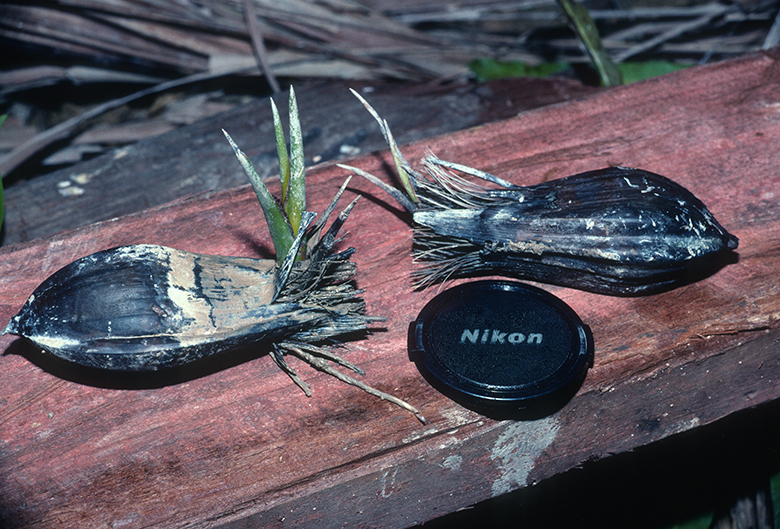
De un vistazo
- Nivel de cuidados
- Difícil
- Tipo de planta
- Palm
- Luz
- Full sun
- Luz en interior
- Sol directo
- Riego
- Cada 1 a 2 días
- Tamaño adulto
- 9 meters
- Ritmo de crecimiento
- Medio
- Rusticidad
- USDA 10 a 12
- Floración
- Year round in tropical climates
Cuidados
Keep the soil consistently saturated with water to mimic its natural swampy habitat. Watch for yellowing leaves which often signal a lack of moisture or incorrect salinity levels. It requires high humidity and warmth to stay healthy.
- Riego
- The soil must remain constantly wet or submerged.
- Abonado
- Use a balanced aquatic fertilizer during the growing season.
- Poda
- Remove dead or damaged fronds to keep the colony tidy.
- Trasplante
- Repot only when the root system has completely outgrown its container.
- Suelo
- Silty clay or mud
- pH del suelo
- 6.0 to 7.5
- Temperatura
- 15 a 35°C
- Humedad
- 70 a 100%
Seguridad
- Personas
- There is no known toxicity to humans associated with this plant.
- Niños
- The large, heavy fruit clusters can pose a falling hazard if children are playing beneath mature palms.
- Comestibilidad
- The endosperm of the immature fruit is edible, but ensure proper identification as it grows in specific mangrove environments.
Cómo identificarla
- Large feathery pinnate leaves
- Low growing trunkless habit
- Spherical clusters of woody fruits
- Grows in coastal mudflats
- Altura
- 3 a 9m
- Anchura
- 3 a 6m
- Hojas
- bright green, dark green, evergreen
- Flores
- yellow, brown, 2 a 5cm
- Frutos
- brown, Year round
Problemas frecuentes
- Salt stress — While it loves brackish water, extreme changes in salinity can impact growth.
Cómo cultivarla
- Propagación
- seed
- Cuándo plantar
- spring, summer, autumn, winter
Plant these in groups to mimic their natural mangrove swamp communities.
Buenas compañeras
- Red mangrove — They share the same tidal habitat and provide structural support for the shoreline.
- Avicennia germinans — They coexist in similar brackish conditions.
Especies parecidas
- Palma de coco — It is another palm that tolerates coastal conditions but requires different soil.
Ciencia
- Familia
- Arecaceae
- Género
- Nypa
- Orden
- Arecales
- Clase
- Liliopsida
- Distribución natural
- Coastal and estuarine areas of the Indian and Pacific Oceans.
- Conservación
- It is not currently endangered but faces habitat loss due to coastal development.
It survives by anchoring itself in soft, anaerobic mud within tidal zones where it filters salt through its roots.
- Valor para la fauna
- habitat for estuarine species, nursery for fish
- Polinizadores
- abejas, escarabajos
- Usos
- thatching, sugar production, alcohol production, coastal erosion control
A lo largo del año
Indicadores ecológicos
- Salinidad
- 6/9
- Reacción del suelo
- 7/9
- Luz
- 8/9
- Temperatura
- 9/9
- Humedad
- 9/9
- Nutrientes
- 6/9
Taxonomía cotejada con GBIF.
Lo que más preguntan
- Can I grow this in a standard garden?
- No, it requires a specialized brackish water environment to survive.
- How do I propagate it?
- You must plant the mature seeds directly into wet, muddy substrate.
De dónde viene el nombre
The name Nypa comes from a local name in the Moluccas, while fruticans refers to its shrubby, clumping growth habit.
Bueno saberlo
- The leaves are widely used for roofing in Southeast Asia.
- It is a stemless palm with leaves rising directly from a creeping underground rhizome.
- The fruit clusters can reach up to 30 centimeters in diameter.
- It thrives in soft mud along tidal rivers.
¿Tu nipa palm tiene mal aspecto?
Esta página es una guía general. Pocket Botanist diagnostica problemas a partir de una foto de tu propia planta, calcula el riego según tu luz y tus condiciones, y te avisa cuando toca cuidarla.
Esta guía se ha generado con IA y se ha cotejado con la taxonomía de GBIF. Es información general, no asesoramiento botánico ni veterinario. Descubre cómo elaboramos estas guías.