 Pocket Botanist
Guía de plantas
Jacinto de uva.
Muscari armeniacum
Pronunciación mus-KAH-ree ar-men-ee-AY-kum
También se conoce como Jacinto de uva de jardín


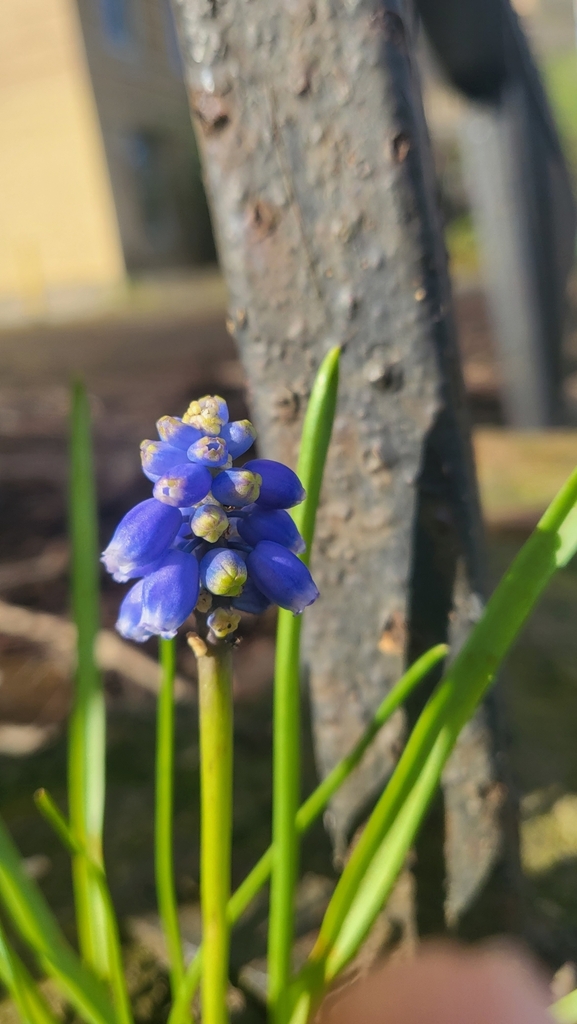
Los jacintos de uva son encantadoras plantas de bulbo de primavera que producen densos racimos de flores en forma de campana. Se naturalizan fácilmente y lucen mejor cuando se plantan en grandes grupos. Estas plantas resistentes son una maravillosa adición a cualquier jardín de primavera.
De un vistazo
- Nivel de cuidados
- Fácil
- Tipo de planta
- Perenne bulbosa
- Luz
- Sol pleno a sombra parcial
- Luz en interior
- Luz indirecta brillante
- Riego
- Cada 7 a 14 días
- Tamaño adulto
- 15 a 25 cm
- Ritmo de crecimiento
- Medio
- Rusticidad
- USDA 4 a 8
- Floración
- Mediados a finales de primavera
Cuidados
Plante los bulbos en otoño con el extremo puntiagudo hacia arriba. Asegúrese de que la tierra drene bien para evitar que se pudran durante los meses de verano de inactividad. Observe el follaje amarillento después de la floración, lo que indica que el bulbo está almacenando energía para el próximo año.
- Riego
- Mantenga la tierra húmeda durante la temporada de crecimiento activo, pero permita que se seque durante la inactividad del verano.
- Abonado
- Aplique un fertilizante equilibrado para bulbos a principios de primavera, a medida que surgen los nuevos brotes.
- Poda
- Retire los tallos de flores marchitas después de la floración, pero deje el follaje hasta que se vuelva amarillo y se seque naturalmente.
- Trasplante
- Divida los grupos superpoblados cada pocos años durante la temporada de inactividad.
- Suelo
- Tierra bien drenada y fértil
- pH del suelo
- Neutro a ligeramente ácido
- Temperatura
- -20 a 30°C
- Humedad
- 40 a 60%
- Tolerancia a la sequía
- Moderada
- Longevidad
- Perenne, típicamente de 5 a 10 años
- Fragancia
- Suave
- Resistencia a ciervos y conejos
- Alta
Señales de que necesita trasplante
- Los bulbos están apretados y saliendo de la tierra.
- El rendimiento de la floración ha disminuido significativamente.
- El agua drena demasiado lentamente de la maceta.
Seguridad
- Personas
- La planta contiene cristales de oxalato de calcio que pueden causar irritación si se manipulan o ingieren.
- Mascotas
- Esta planta se considera ligeramente tóxica para gatos y perros si se ingiere.
- Niños
- Mantén los bulbos alejados de los niños pequeños, ya que pueden representar un peligro de asfixia y causar malestar digestivo si se ingieren.
- Alérgenos por contacto
- La savia puede causar irritación en la piel en personas sensibles.
- Alérgenos en el aire
- El polen generalmente no se considera un alérgeno importante.
- Comestibilidad
- Si bien no es muy tóxico, los bulbos pueden causar malestar estomacal si se ingieren.
Cómo identificarla
- Densos picos de flores azul cobalto
- Pequeñas florecillas en forma de campana
- Estrechas hojas basales parecidas a la hierba
- Las flores se asemejan a pequeños racimos de uvas
- Altura
- 0,15 a 0,25m
- Anchura
- 0,05 a 0,1m
- Hojas
- verde, deciduo
- Flores
- azul, morado, 0,5 a 1cm
Problemas a vigilar
- Podredumbre de los bulbosComún
- PulgonesComún
- BotritisPoco común
- Podredumbre radicularPoco común
- Pudrición del bulbo — Decaimiento fúngico causado por condiciones de suelo demasiado húmedas.
Por síntoma
Revisa tu jacinto de uva con una foto
Pocket Botanist mira una foto de tu planta y te dice qué le pasa y qué probar primero.
Cómo cultivarla
- Propagación
- división, semilla
- Cuándo plantar
- otoño
- Cuidados en invierno
- Deja los bulbos en el suelo. Requieren un período de frío para desencadenar el crecimiento primaveral.
- En maceta
- Crecen muy bien en macetas, siempre que el contenedor tenga un excelente drenaje y tenga al menos 15 cm de profundidad.
División
- 1. Espera hasta que el follaje se haya amarilleado a finales de primavera.
- 2. Desentierra con cuidado el grupo de bulbos.
- 3. Separa suavemente los pequeños hijuelos del bulbo principal.
- 4. Replanta los hijuelos inmediatamente en una nueva ubicación.
Plántalos en grandes grupos para crear una llamativa alfombra azul debajo de los árboles de hoja caduca.
Buenas compañeras
- Narciso — Florecen al mismo tiempo y crean un hermoso contraste de color.
- Tulipa — El azul del jacinto de uva complementa los colores vivos de los tulipanes.
Especies parecidas
- Muscari azureum — Tiene un hábito de crecimiento similar pero presenta flores de color azul más claro.
Ciencia
- Familia
- Asparagaceae
- Género
- Muscari
- Orden
- Asparagales
- Clase
- Liliopsida
- Distribución natural
- Sureste de Europa y Turquía.
- Conservación
- No es una preocupación de conservación ya que está ampliamente cultivado y naturalizado.
Prospera en prados abiertos y soleados y laderas rocosas donde puede entrar en dormancia durante los meses secos de verano.
- Valor para la fauna
- fuente temprana de néctar de temporada
- Polinizadores
- abejas
- Usos
- jardines de rocas, naturalización en céspedes, siembra en contenedores, bordes de parterres
A lo largo del año
Indicadores ecológicos
- Salinidad
- 2/9
- Reacción del suelo
- 6/9
- Luz
- 7/9
- Humedad
- 5/9
- Temperatura
- 5/9
- Nutrientes
- 4/9
Taxonomía cotejada con GBIF.
Lo que más preguntan
- ¿Cuándo debo plantarlos?
- Planta los bulbos en otoño antes de que el suelo se congele.
- ¿Necesito desenterrarlos en invierno?
- No, son resistentes y prefieren permanecer en el suelo durante todo el año.
De dónde viene el nombre
El nombre del género Muscari proviene de la palabra griega para almizcle, refiriéndose al aroma de algunas especies. El epíteto específico armeniacum se refiere a su área de distribución nativa en Armenia.
Bueno saberlo
- A menudo se les llama jacintos de uva porque los racimos de flores parecen pequeños racimos de uvas.
- El aroma a menudo se describe como ligeramente almizclado.
- Son excelentes para forzar en interiores durante el invierno.
También en
Que tu jacinto de uva siga creciendo
Esta página es una guía general. Guarda tu planta en Pocket Botanist y tendrás recordatorios de cuidado pensados para esta planta, además de un historial de cuidados que muestra qué ha funcionado.
Esta guía se ha generado con IA y se ha cotejado con la taxonomía de GBIF. Es información general, no asesoramiento botánico ni veterinario. Descubre cómo elaboramos estas guías.