 Pocket Botanist
Guía de plantas
Plátano enano.
Musa acuminata 'Dwarf Cavendish'
Pronunciación MEW-suh uh-KYOO-mih-NAY-tuh
También se conoce como Musa acuminata 'Dwarf Cavendish', Cavendish banana, Plátano chino, Plátano comestible, Plátano salvaje, Plátanos manzana, Plátano, Plátano enano


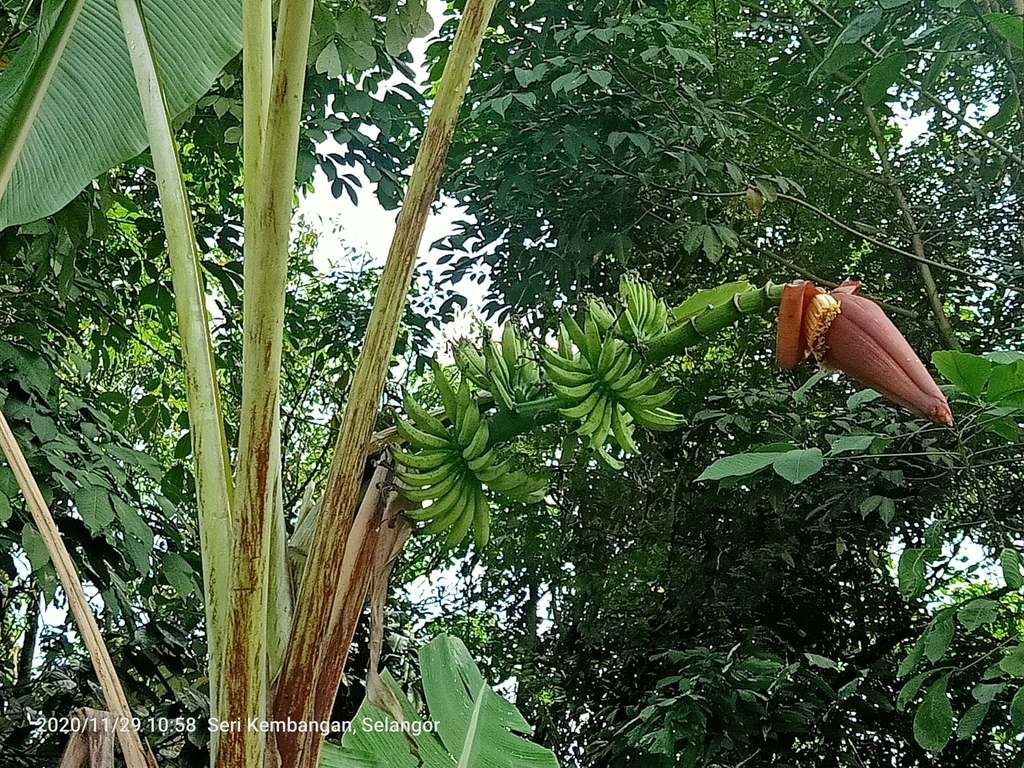
El plátano enano es una fantástica planta tropical que aporta un ambiente exuberante y selvático a tu hogar. Se mantiene mucho más pequeña que sus parientes silvestres, lo que la hace manejable para espacios interiores. Te encantarán sus hojas anchas en forma de pala que se despliegan maravillosamente.

De un vistazo
- Nivel de cuidados
- Media
- Tipo de planta
- Perenne tropical
- Luz
- Luz brillante indirecta
- Luz en interior
- Luz indirecta brillante
- Riego
- Cada 3 a 7 días
- Tamaño adulto
- 2 a 3 metros
- Ritmo de crecimiento
- Rápido
- Rusticidad
- USDA 10 a 12
- Floración
- Todo el año en climas tropicales
Cuidados
Mantén esta planta en un lugar con mucha luz brillante y filtrada para fomentar un crecimiento fuerte. Le encanta la alta humedad, así que rociar las hojas o usar una bandeja con guijarros ayuda a mantenerla feliz. Observa los bordes marrones y crujientes de las hojas, que a menudo indican que el aire está demasiado seco.
- Riego
- Mantén la tierra constantemente húmeda pero nunca empapada.
- Abonado
- Alimenta con un fertilizante líquido equilibrado durante la temporada de crecimiento activo.
- Poda
- Retira las hojas viejas o dañadas en la base para mantener la planta ordenada.
- Trasplante
- Trasplanta cuando las raíces comiencen a apretarse en el contenedor.
- Suelo
- Mezcla para macetas bien drenada y rica en nutrientes
- pH del suelo
- 5.5 a 6.5
- Temperatura
- 15 a 35°C
- Humedad
- 60 a 90%
- Tolerancia a la sequía
- Baja
- Longevidad
- Perenne, típicamente de 5 a 10 años
- Fragancia
- Suave
- Resistencia a ciervos y conejos
- Moderada
Señales de que necesita trasplante
- Raíces creciendo fuera de los agujeros de drenaje.
- Agua sentada en la superficie durante demasiado tiempo.
- La planta se vuelve pesada y inestable.
- Disminución notable del crecimiento durante la temporada activa.
Seguridad
- Personas
- La planta generalmente no es tóxica, pero la savia puede manchar la ropa y causar irritación menor.
- Mascotas
- Esta planta no es tóxica para gatos y perros.
- Niños
- Las hojas grandes pueden ser pesadas y representar un peligro de vuelco si los niños tiran de ellas.
- Alérgenos por contacto
- La savia puede causar dermatitis de contacto en personas sensibles.
- Alérgenos en el aire
- No hay un riesgo significativo de alérgenos respiratorios.
- Comestibilidad
- La fruta es comestible, pero la planta no es un sustituto de las variedades comerciales sin una identificación adecuada.
Cómo identificarla
- Hojas verdes anchas en forma de pala
- Pseudotallo robusto y grueso
- Hábito de crecimiento compacto
- Las hojas a menudo muestran manchas de color burdeos
- Altura
- 2 a 6m
- Anchura
- 1,5 a 3m
- Hojas
- verde, perenne
- Flores
- morado, amarillo, 5 a 10cm
- Frutos
- amarillo, verde, Todo el año
Problemas a vigilar
- Bordes marrones en las hojasComún
- Mal de PanamáComún
- Pardeamiento de las frondasComún
- PulgonesComún
- Araña rojaPoco común
- Podredumbre radicularPoco común
- Pulgón del plátano — Insectos pequeños que se alimentan de savia y transmiten virus.
Por síntoma
Revisa tu plátano enano con una foto
Pocket Botanist mira una foto de tu planta y te dice qué le pasa y qué probar primero.
Cómo cultivarla
- Propagación
- division, esquejes
- Cuándo plantar
- Primavera, Verano
- Cuidados en invierno
- Mover a un lugar libre de heladas y reducir significativamente el riego durante los meses más fríos.
- En maceta
- Crece bien en macetas grandes, pero necesita una maceta de al menos 50 cm de ancho para soportar su tamaño.
División
- Espera a que la planta madre produzca retoños o hijuelos.
- Excava con cuidado alrededor de la base para exponer el cormo.
- Separa el hijuelo de la planta madre con un cuchillo limpio y afilado.
- Asegúrate de que el hijuelo tenga sus propias raíces adheridas.
- Vuelve a plantar el hijuelo en una mezcla para macetas bien drenada.
Plantar hierbas tropicales de crecimiento bajo debajo del dosel ayuda a mantener la alta humedad que prefiere el plátano.
Buenas compañeras
Especies parecidas
- Ensete ventricosum — Tiene un aspecto arquitectónico similar pero no se cultiva por sus frutos.
Ciencia
- Familia
- Musaceae
- Género
- Musa
- Orden
- Zingiberales
- Clase
- Liliopsida
- Distribución natural
- Sudeste de Asia
- Conservación
- Actualmente no es de preocupación de conservación.
Prospera en claros de selvas tropicales húmedas donde puede colonizar rápidamente el suelo perturbado.
- Valor para la fauna
- fuente de néctar
- Polinizadores
- abejas, mariposas, colibríes
- Usos
- ornamental, culinario, paisajismo tropical
A lo largo del año
Indicadores ecológicos
- Salinidad
- 2/9
- Reacción del suelo
- 6/9
- Temperatura
- 9/9
- Humedad
- 8/9
- Luz
- 8/9
- Nutrientes
- 7/9
Taxonomía cotejada con GBIF.
Lo que más preguntan
- ¿Dará frutos en interiores?
- Es muy poco probable que produzca frutos comestibles en un ambiente interior típico.
- ¿Cuánta luz necesita?
- Requiere luz solar brillante y directa para prosperar.
De dónde viene el nombre
El nombre del género Musa proviene de la palabra árabe para plátano, mientras que acuminata se refiere a las puntas puntiagudas de las hojas.
Bueno saberlo
- Los plátanos son técnicamente bayas.
- La planta crece a partir de un cormo subterráneo.
- Cada tallo produce fruta solo una vez antes de morir.
- Las flores se producen en una inflorescencia grande y colgante.
Que tu plátano enano siga creciendo
Esta página es una guía general. Guarda tu planta en Pocket Botanist y tendrás recordatorios de cuidado pensados para esta planta, además de un historial de cuidados que muestra qué ha funcionado.
Esta guía se ha generado con IA y se ha cotejado con la taxonomía de GBIF. Es información general, no asesoramiento botánico ni veterinario. Descubre cómo elaboramos estas guías.