 Pocket Botanist
Guía de plantas
Uva de Oregón.
Mahonia aquifolium (Pursh) Nutt.
Pronunciación ma-HOH-nee-uh ah-kwee-FOH-lee-um
También se conoce como Uva de Oregón, Acebo de Oregón, Uva de acebo de Oregón


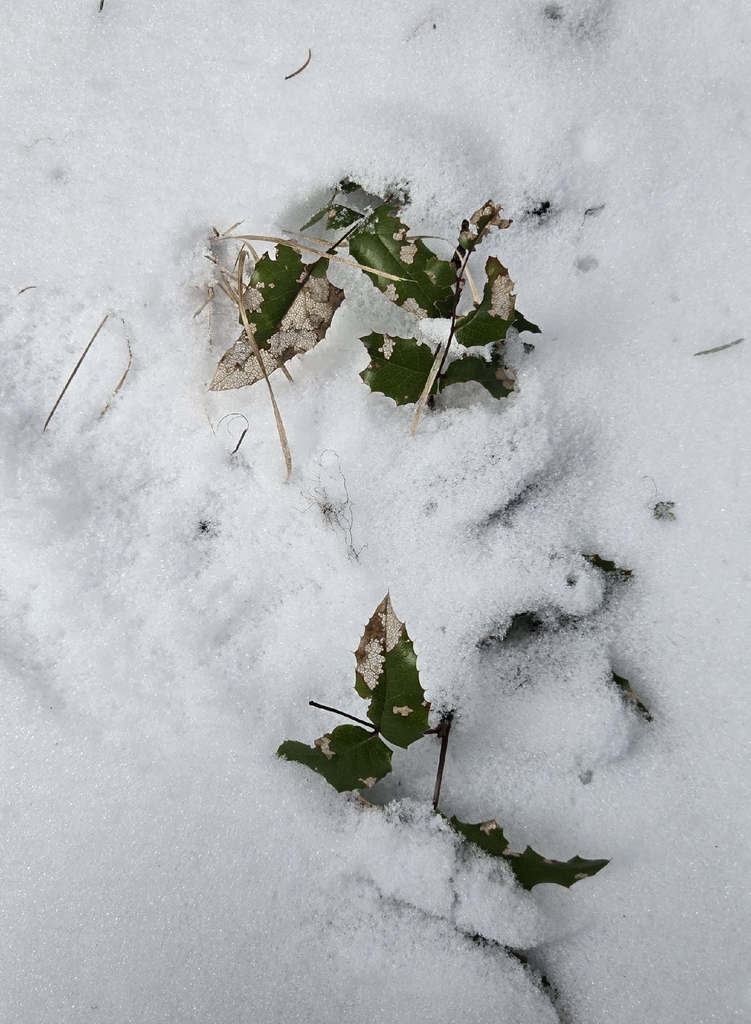
La Uva de Oregón es un hermoso arbusto de hoja perenne nativo del noroeste del Pacífico. Presenta hojas brillantes, parecidas al acebo, y produce flores amarillo brillante seguidas de racimos de bayas de color azul oscuro. Esta planta es una opción fantástica para añadir interés a tu jardín durante todo el año.
De un vistazo
- Nivel de cuidados
- Fácil
- Tipo de planta
- Arbusto de hoja perenne
- Luz
- Sombra parcial a sol pleno
- Luz en interior
- Luz indirecta brillante
- Riego
- Cada 7 a 14 días
- Tamaño adulto
- 3 a 6 pies de altura
- Ritmo de crecimiento
- Medio
- Rusticidad
- USDA 5 a 9
- Floración
- Principios a mediados de primavera
Cuidados
Planta este arbusto en un suelo que drene bien y procura que tenga humedad constante mientras se establece. Vigila si las hojas se queman si recibe demasiado sol directo por la tarde. Es bastante resistente y rara vez necesita muchos cuidados una vez que echa raíces.
- Riego
- Mantén la tierra constantemente húmeda pero no encharcada, especialmente durante el primer año.
- Abonado
- Aplica un fertilizante equilibrado de liberación lenta a principios de primavera para favorecer el nuevo crecimiento.
- Poda
- Poda ligeramente después de la floración para mantener la forma y fomentar un crecimiento más frondoso.
- Trasplante
- Trasplanta solo si la planta se queda sin espacio en la maceta, aunque prefiere permanecer en el suelo.
- Suelo
- Suelo franco, ácido y bien drenado
- pH del suelo
- 5.0 a 7.0
- Temperatura
- -25 a 35°C
- Humedad
- 40 a 70%
- Tolerancia a la sequía
- Moderada
- Longevidad
- Perenne, típicamente de 20 a 50 años
- Fragancia
- Suave
- Resistencia a ciervos y conejos
- Alta
Señales de que necesita trasplante
- Raíces saliendo de los agujeros de drenaje
- El agua pasa directamente a través de la maceta sin empaparse
Seguridad
- Personas
- La planta generalmente no es tóxica, pero las bayas contienen alcaloides que pueden causar malestar estomacal leve si se consumen en grandes cantidades.
- Mascotas
- Las bayas generalmente se consideran no tóxicas, pero la planta contiene alcaloides que pueden causar malestar estomacal leve si las mascotas las ingieren.
- Niños
- Las hojas afiladas y espinosas representan un peligro físico para los niños pequeños que puedan intentar manipular la planta.
- Alérgenos por contacto
- Las hojas, parecidas al acebo, tienen márgenes afilados y espinosos que pueden arañar o irritar la piel sensible.
- Alérgenos en el aire
- El polen puede desencadenar alergias estacionales leves en personas sensibles.
- Comestibilidad
- Las bayas son ácidas y contienen semillas que deben retirarse antes de su consumo, aunque generalmente se consideran seguras cuando se cocinan.
Cómo identificarla
- Hojas perennes brillantes, coriáceas, parecidas al acebo
- Flores amarillas brillantes y fragantes en primavera
- Racimos de bayas cerosas de color azul oscuro
- El follaje nuevo a menudo tiene un tinte rojizo
- Altura
- 0,9 a 1,8m
- Anchura
- 0,9 a 1,5m
- Hojas
- verde oscuro, bronce, púrpura rojizo, perenne
- Flores
- amarillo brillante, 0,5 a 1cm
- Frutos
- azul oscuro, negro, Finales de verano
Problemas a vigilar
- OídioComún
- RoyaComún
- ClorosisPoco común
- CochinillasPoco común
- Manchas foliaresPoco común
- Podredumbre radicularPoco común
- PulgonesPoco común
- Quemadura foliarPoco común
Por síntoma
Revisa tu uva de oregón con una foto
Pocket Botanist mira una foto de tu planta y te dice qué le pasa y qué probar primero.
Cómo cultivarla
- Propagación
- semilla, esquejes, división
- Cuándo plantar
- primavera, otoño
- Cuidados en invierno
- Es muy resistente y no requiere protección invernal especial en la mayoría de los climas. Solo asegúrate de que la tierra permanezca bien drenada para evitar la pudrición de las raíces durante los inviernos húmedos.
- En maceta
- Crece bien en macetas grandes, siempre que tengan un excelente drenaje y tengan al menos 40 centímetros de diámetro.
Esquejes semileñosos
- Toma esquejes de 10 centímetros a finales de verano.
- Retira las hojas inferiores y sumerge la base en hormona de enraizamiento.
- Planta en una mezcla para macetas bien drenada.
- Mantén en un ambiente húmedo hasta que se formen las raíces.
Plantar en grupos con otros perennes de bosque amantes de la sombra para crear un aspecto estratificado y naturalista.
Buenas compañeras
- Helleborus orientalis — Comparten requisitos similares de sombra y humedad.
- Campanillas de coral — El contraste del follaje entre las dos plantas es bastante llamativo.
Especies parecidas
- Mahonia repens — Es un pariente de crecimiento más bajo y extendido que funciona bien como cobertura del suelo.
Ciencia
- Familia
- Berberidaceae
- Género
- Mahonia
- Orden
- Ranunculales
- Clase
- Magnoliopsida
- Distribución natural
- Oeste de América del Norte
- Conservación
- Esta especie es común y no de preocupación para la conservación.
Se propaga por rizomas subterráneos, lo que le permite formar densos matorrales que proporcionan refugio a la pequeña fauna silvestre.
- Valor para la fauna
- fuente de néctar, alimento para pájaros en invierno
- Polinizadores
- abejas, mariposas, colibríes
- Usos
- arbusto ornamental, jardín silvestre, hacer mermelada
A lo largo del año
Indicadores ecológicos
- Salinidad
- 2/9
- Temperatura
- 5/9
- Nutrientes
- 4/9
- Reacción del suelo
- 5/9
- Luz
- 4/9
- Humedad
- 5/9
Taxonomía cotejada con GBIF.
Lo que más preguntan
- ¿Necesita podas?
- Rara vez se necesita podar, pero puedes recortarla después de la floración para mantenerla compacta.
- ¿Puedo cultivarla a pleno sol?
- Prefiere sombra parcial, especialmente en climas más cálidos donde el pleno sol puede quemar las hojas.
De dónde viene el nombre
El género honra a Bernard McMahon, un horticultor estadounidense de principios de siglo, mientras que el nombre de la especie aquifolium se refiere a la forma de la hoja que se asemeja a la del acebo.
Bueno saberlo
- Las bayas a menudo se llaman uvas de Oregón.
- La corteza interna contiene berberina, que se ha utilizado como tinte amarillo.
- Es un arbusto resistente y confiable que prospera en la sombra.
- Las hojas a menudo adquieren un hermoso color bronce o púrpura en invierno.
También en
Que tu uva de oregón siga creciendo
Esta página es una guía general. Guarda tu planta en Pocket Botanist y tendrás recordatorios de cuidado pensados para esta planta, además de un historial de cuidados que muestra qué ha funcionado.
Esta guía se ha generado con IA y se ha cotejado con la taxonomía de GBIF. Es información general, no asesoramiento botánico ni veterinario. Descubre cómo elaboramos estas guías.