 Pocket Botanist
Guía de plantas
Japanese kerria.
Kerria japonica
Pronunciación KEER-ee-uh juh-PON-ih-kuh
También se conoce como Japan Globeflower, Japanese Kerria, Japanese Rose, Japanese globeflower, Japanese-rose, Jew's-mallow, Kerria


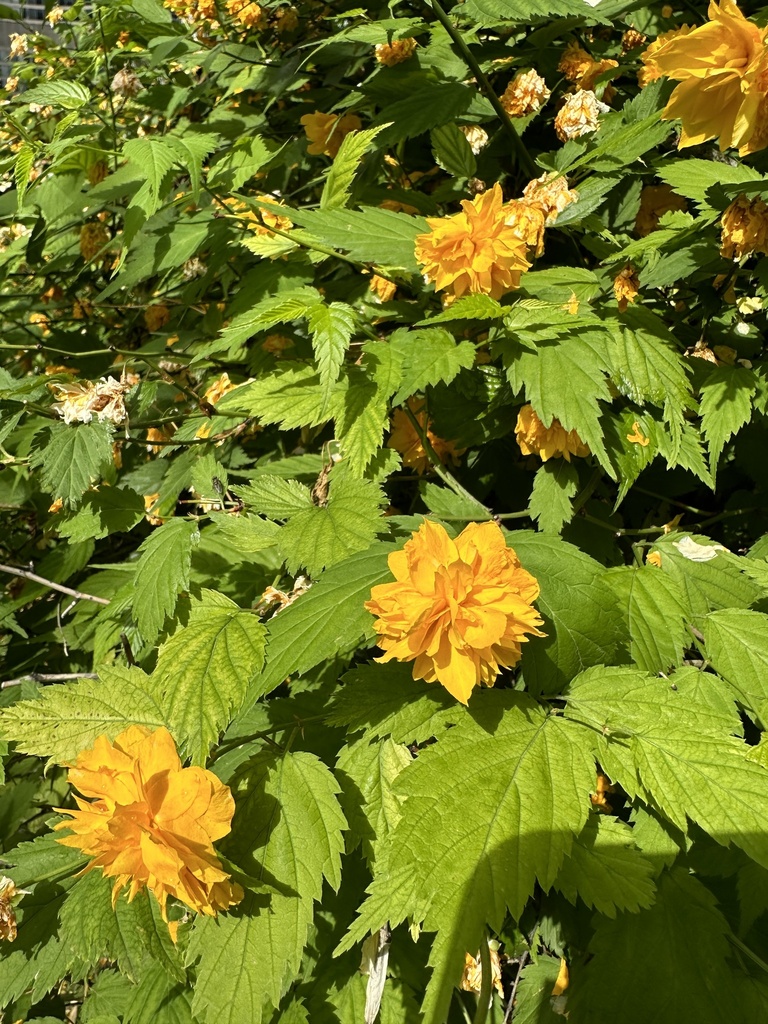
The Japanese kerria is a charming deciduous shrub known for its bright, golden yellow flowers that bloom in spring. It has a graceful, arching habit that looks lovely in a woodland garden or as a border plant. You will love how its green stems add a bit of color to your garden even in the winter months.

De un vistazo
- Nivel de cuidados
- Fácil
- Tipo de planta
- Deciduous shrub
- Luz
- Partial shade to full sun
- Luz en interior
- Luz indirecta brillante
- Riego
- Cada 7 a 14 días
- Tamaño adulto
- 6 to 8 feet
- Ritmo de crecimiento
- Medio
- Rusticidad
- USDA 4 a 9
- Floración
- Mid to late spring
Cuidados
Plant this shrub in well-draining soil and prune it right after it finishes flowering to encourage new growth. Watch for wilting leaves, which may indicate the soil has dried out too much. It is quite hardy, but it appreciates a spot protected from harsh afternoon sun.
- Riego
- Keep the soil consistently moist but not waterlogged, especially during the first year of growth.
- Abonado
- Apply a balanced, slow-release fertilizer in early spring as new growth begins.
- Poda
- Prune back old or flowered stems immediately after the spring bloom to maintain shape.
- Trasplante
- If growing in a container, move to a larger pot every few years when the roots become crowded.
- Suelo
- Well-draining, fertile soil
- pH del suelo
- 6.0 to 7.5
- Temperatura
- -25 a 35°C
- Humedad
- 40 a 70%
- Tolerancia a la sequía
- Moderada
- Longevidad
- Perennial, typically 15 to 20 years.
- Resistencia a ciervos y conejos
- Moderada
Señales de que necesita trasplante
- Roots growing out of drainage holes.
- Water draining through the pot too quickly.
- Stunted growth during the active season.
Seguridad
- Personas
- The plant is generally considered non toxic to humans.
- Niños
- The stems are somewhat brittle, but there are no significant ingestion risks for children.
- Alérgenos por contacto
- No specific skin irritants are known.
- Alérgenos en el aire
- Pollen may cause mild reactions in sensitive individuals during the spring.
- Comestibilidad
- This plant is not considered edible and should not be consumed.
Cómo identificarla
- Bright yellow, rose-like flowers
- Arching, bright green stems
- Alternate, serrated, lance-shaped leaves
- Deciduous shrub growth habit
- Altura
- 1 a 2,5m
- Anchura
- 1,5 a 3m
- Hojas
- bright green, deciduous
- Flores
- yellow, 3 a 5cm
Problemas frecuentes
- Twig blight — Fungal infection causing dieback of stems.
Cómo cultivarla
- Propagación
- cuttings, division
- Cuándo plantar
- spring, autumn
- Cuidados en invierno
- No special winter care is needed as it is quite hardy. You can mulch around the base to protect the roots if you live in a very cold climate.
- En maceta
- It can be grown in large containers, but it prefers being planted in the ground for long term health.
Softwood cuttings
- Take 10 cm cuttings in early summer.
- Remove lower leaves.
- Place in moist potting mix and keep humid until rooted.
Pair this shrub with shade loving perennials to create a lush, low maintenance woodland border.
Buenas compañeras
- Hosta — They share similar light requirements and provide a nice foliage contrast.
- Lamprocapnos spectabilis — Both plants bloom in spring and appreciate the same woodland conditions.
Especies parecidas
- Forsythia x intermedia — Both are spring flowering shrubs with yellow blooms.
Ciencia
- Familia
- Rosaceae
- Género
- Kerria
- Orden
- Rosales
- Clase
- Magnoliopsida
- Distribución natural
- China, Japan, and the Korean Peninsula.
- Conservación
- This species is not of conservation concern.
It naturally grows in thickets and along forest edges where it benefits from dappled light.
- Valor para la fauna
- nectar source
- Polinizadores
- abejas, mariposas
- Usos
- ornamental shrub, woodland garden, foundation planting
A lo largo del año
Indicadores ecológicos
- Salinidad
- 1/9
- Reacción del suelo
- 5/9
- Luz
- 5/9
- Temperatura
- 5/9
- Humedad
- 5/9
- Nutrientes
- 5/9
Taxonomía cotejada con GBIF.
Lo que más preguntan
- Does it need pruning?
- Pruning immediately after flowering helps keep the shrub tidy and encourages new growth.
- Can it grow in full sun?
- It prefers partial shade, as hot afternoon sun can fade the yellow flowers.
De dónde viene el nombre
The genus is named after William Kerr, a Scottish gardener who introduced the plant to the West. The specific epithet refers to its native range in Japan.
Bueno saberlo
- It is the only species in its genus.
- The bright green stems remain colorful even in winter.
- It thrives in partial shade where other shrubs might struggle.
¿Tu japanese kerria tiene mal aspecto?
Esta página es una guía general. Pocket Botanist diagnostica problemas a partir de una foto de tu propia planta, calcula el riego según tu luz y tus condiciones, y te avisa cuando toca cuidarla.
Esta guía se ha generado con IA y se ha cotejado con la taxonomía de GBIF. Es información general, no asesoramiento botánico ni veterinario. Descubre cómo elaboramos estas guías.