 Pocket Botanist
Guía de plantas
Iris siberiana.
Iris sibirica
Pronunciación EYE-ris sy-BEER-ih-kuh
También se conoce como German Iris, Iris siberiana, Lirio siberiano, Iris turca


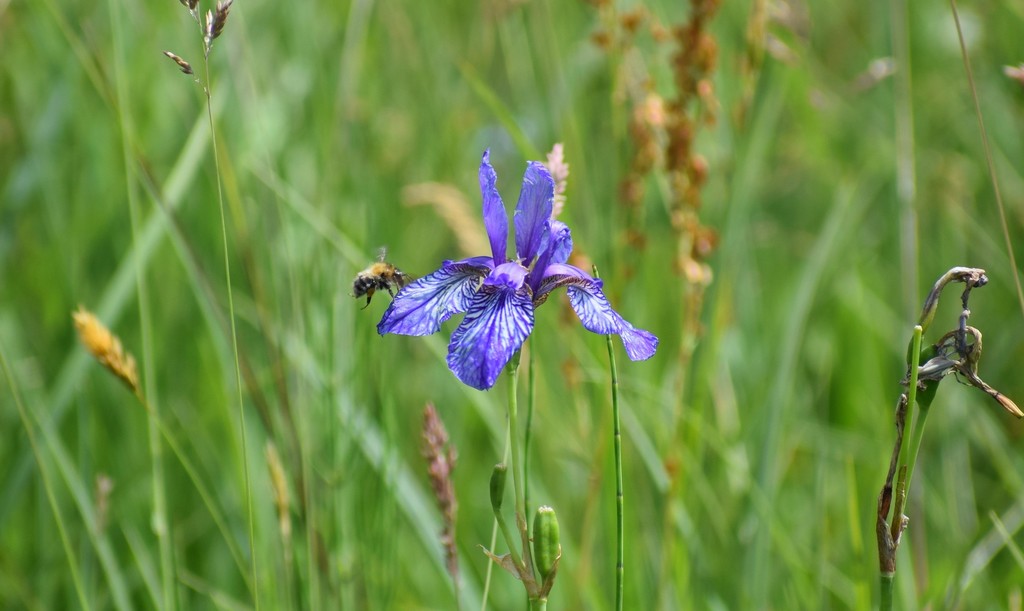
La iris siberiana es una planta perenne resistente que aporta un follaje elegante, similar a la hierba, y delicadas flores a tu jardín. Prospera en suelos húmedos y bien drenados, y es bastante adaptable a varios climas. Te encantará cómo estas plantas añaden interés vertical a tus macizos de flores.

De un vistazo
- Nivel de cuidados
- Fácil
- Tipo de planta
- Perenne
- Luz
- Pleno sol a sombra parcial
- Luz en interior
- Luz indirecta brillante
- Riego
- Cada 3 a 7 días
- Tamaño adulto
- 2 a 4 pies
- Ritmo de crecimiento
- Medio
- Rusticidad
- USDA 3 a 9
- Floración
- Finales de primavera a principios de verano
Cuidados
Mantén la tierra constantemente húmeda, especialmente durante la temporada de crecimiento. Observa si las hojas amarillean, lo que puede indicar un mal drenaje o problemas de nutrientes. Elimina las flores marchitas para mantener la planta ordenada y fomentar posibles floraciones repetidas.
- Riego
- Mantén la tierra uniformemente húmeda, pero no encharcada.
- Abonado
- Aplica un fertilizante equilibrado una vez a principios de primavera, cuando aparezcan los nuevos brotes.
- Poda
- Recorta el follaje hasta el suelo a finales de otoño, después de la primera helada.
- Trasplante
- Divide las matas cada pocos años para mantener su vigor y evitar el hacinamiento.
- Suelo
- Suelo húmedo, fértil y ligeramente ácido
- pH del suelo
- 5.5 a 7.0
- Temperatura
- -35 a 30°C
- Humedad
- 40 a 70%
- Tolerancia a la sequía
- Baja
- Longevidad
- Perenne, típicamente 10 años o más
- Resistencia a ciervos y conejos
- Alta
Señales de que necesita trasplante
- Las raíces crecen fuera de los agujeros de drenaje
- El agua pasa directamente a través de la maceta
- Floración reducida
Seguridad
- Personas
- Los rizomas y las hojas contienen iridina, que puede causar irritación de la piel y malestar estomacal si se ingiere.
- Mascotas
- Esta planta se considera tóxica para gatos y perros si se ingiere.
- Niños
- Mantenga a los niños alejados de los rizomas, ya que son tóxicos si se ingieren.
- Alérgenos por contacto
- Manipular el follaje puede causar una leve irritación de la piel en personas sensibles.
- Alérgenos en el aire
- El polen generalmente no se considera un alérgeno aéreo significativo.
- Comestibilidad
- Esta planta no está destinada al consumo y puede causar malestar digestivo si se ingiere.
Cómo identificarla
- Follaje verde esbelto, parecido a la hierba
- Flores sin barba con tres pétalos
- Tallos florales firmes y erguidos
- Flores de azul profundo a violeta
- Hábito de crecimiento en matas
- Altura
- 0,6 a 1m
- Anchura
- 0,45 a 0,6m
- Hojas
- verde, caducifolio
- Flores
- azul, violeta, blanco, amarillo, 5 a 8cm
- Frutos
- marrón, finales de verano
Problemas a vigilar
- Barrenador del lirioComún
- Manchas foliaresComún
- Babosas y caracolesPoco común
- Podredumbre blandaPoco común
- Podredumbre radicularPoco común
- PulgonesRara
- Taladradora de lirios — Las orugas se abren túneles en los rizomas, causando pudrición.
- Mancha foliar — Infección fúngica que causa manchas marrones en el follaje.
Por síntoma
Revisa tu iris siberiana con una foto
Pocket Botanist mira una foto de tu planta y te dice qué le pasa y qué probar primero.
Cómo cultivarla
- Propagación
- división, semilla
- Cuándo plantar
- primavera, otoño
- Cuidados en invierno
- Recorta el follaje hasta el suelo a finales de otoño, después de que se haya vuelto marrón. No se necesita protección especial ya que son muy resistentes al frío.
- En maceta
- Crecen bien en contenedores grandes, siempre que mantengas la tierra constantemente húmeda.
División
- 1. Desentierra el cepellón a principios de otoño.
- 2. Usa una pala o cuchillo afilado para cortar los rizomas en secciones.
- 3. Asegúrate de que cada sección tenga raíces y follaje sanos.
- 4. Replanta inmediatamente a la misma profundidad que antes.
Combina estos con perennes amantes de la humedad para crear un lecho de jardín exuberante y de bajo mantenimiento.
Buenas compañeras
- Lirio de día — Comparten necesidades de humedad similares y proporcionan un buen contraste en la textura de las hojas.
- Alchemila — Las hojas suaves y festoneadas del Alchemilla Mollis lucen encantadoras contra el follaje erguido y parecido a la hierba de los lirios.
Especies parecidas
- Lirio barbudo — Ambos son lirios de jardín populares pero tienen diferentes requisitos de suelo y humedad.
Ciencia
- Familia
- Iridaceae
- Género
- Iris
- Orden
- Asparagales
- Clase
- Liliopsida
- Distribución natural
- Europa central y oriental a Asia central.
- Conservación
- Esta especie no es actualmente de preocupación de conservación.
Prospera en prados húmedos y a lo largo de las orillas de los arroyos, donde puede acceder a humedad confiable durante toda la temporada de crecimiento.
- Valor para la fauna
- fuente de néctar
- Polinizadores
- abejas, mariposas, colibríes
- Usos
- plantación en borduras, jardines de lluvia, flores de corte, plantación en masa
A lo largo del año
Indicadores ecológicos
- Luz
- 7/9
- Nutrientes
- 5/9
- Salinidad
- 2/9
- Reacción del suelo
- 5/9
- Temperatura
- 4/9
- Humedad
- 7/9
Taxonomía cotejada con GBIF.
Lo que más preguntan
- ¿Necesitan mucha agua?
- Prefieren tierra constantemente húmeda pero no necesitan estar sumergidos como los lirios de agua.
- ¿Cuándo debo dividirlos?
- Divídelos a principios de otoño o principios de primavera, cuando la planta no está floreciendo activamente.
De dónde viene el nombre
El nombre del género honra a Iris, la diosa griega del arcoíris, mientras que el epíteto específico sibirica se refiere a la región donde alguna vez se pensó que se originaba.
Bueno saberlo
- A pesar del nombre, son nativas de Europa central y oriental en lugar de Siberia.
- Son mucho más resistentes a la taladradora de lirios que los lirios barbados.
- Las flores se mantienen bien por encima del follaje sobre tallos delgados y resistentes.
También en
Que tu iris siberiana siga creciendo
Esta página es una guía general. Guarda tu planta en Pocket Botanist y tendrás recordatorios de cuidado pensados para esta planta, además de un historial de cuidados que muestra qué ha funcionado.
Esta guía se ha generado con IA y se ha cotejado con la taxonomía de GBIF. Es información general, no asesoramiento botánico ni veterinario. Descubre cómo elaboramos estas guías.