 Pocket Botanist
Guía de plantas
Canadian horseweed.
Erigeron canadensis
Pronunciación eh-RIJ-er-on kan-ah-DEN-sis
También se conoce como Butterweed, Canada fleabane, Canada horseweed, Canadian Fleabane, Canadian Fleabane, Canadian Horseweed, Horse Weed, Mare's Tail, Canadian Horseweed, Cronquist, Foxtail


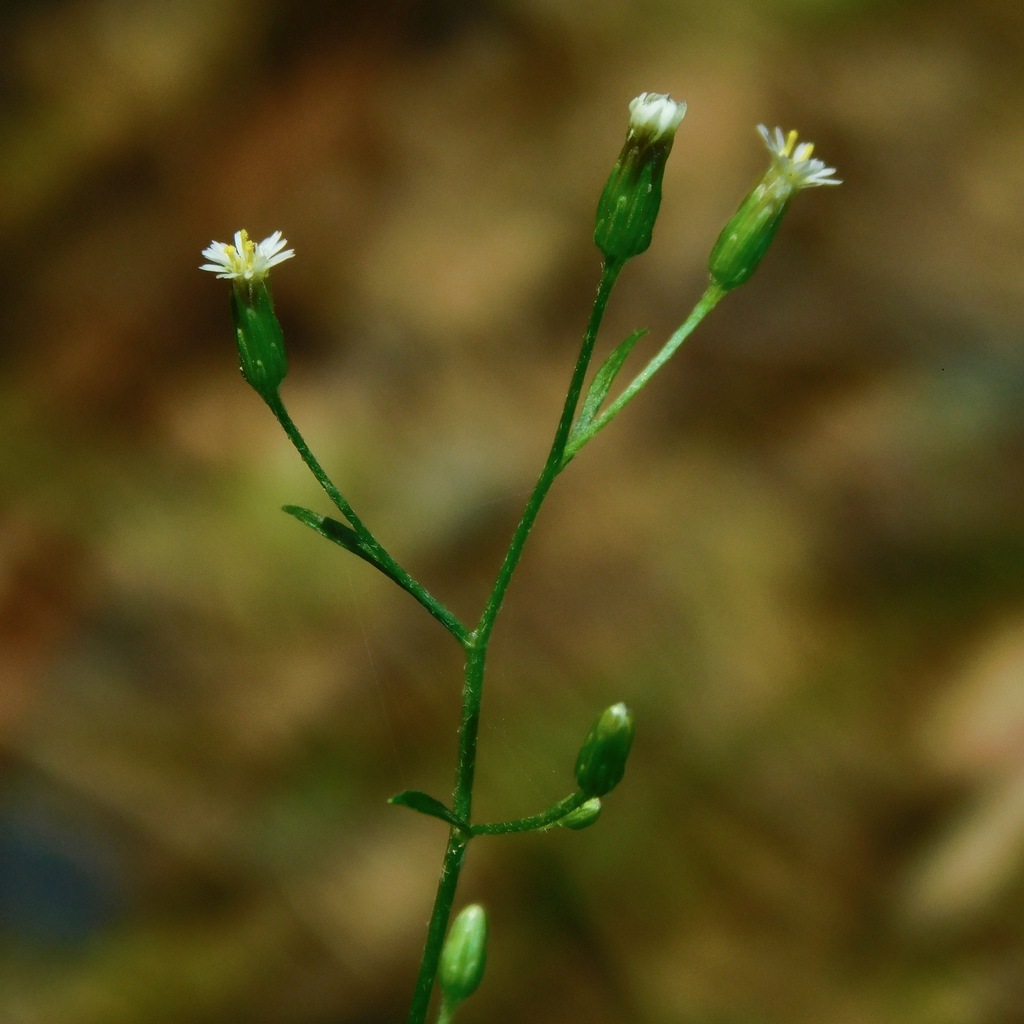
This hardy plant is a common sight in fields and along roadsides. It grows as an annual and is known for its tall, slender stem. You will often see it popping up in disturbed soil.
De un vistazo
- Nivel de cuidados
- Fácil
- Tipo de planta
- Annual herb
- Luz
- Full sun
- Luz en interior
- Sol directo
- Riego
- Cada 7 a 14 días
- Tamaño adulto
- 5 feet
- Ritmo de crecimiento
- Rápido
- Rusticidad
- USDA 3 a 9
- Floración
- Mid summer to mid autumn
Cuidados
This plant thrives in full sun and well drained soil. Watch for wilting during extreme heat, though it is quite drought tolerant once established. It is a prolific seeder, so pull it before flowers fade if you want to limit its spread.
- Riego
- Water only when the top inch of soil feels dry to the touch.
- Abonado
- This plant generally does not require supplemental fertilizer.
- Poda
- Remove spent flower heads to prevent unwanted self seeding.
- Trasplante
- As an annual, this plant is typically not repotted.
- Suelo
- Well drained, sandy or loamy
- pH del suelo
- 6.0 to 7.5
- Temperatura
- -20 a 35°C
- Humedad
- 30 a 70%
Seguridad
- Personas
- The plant may cause skin irritation in sensitive individuals upon contact.
- Niños
- Keep away from children as the plant can cause skin irritation if handled.
- Alérgenos por contacto
- The foliage contains compounds that can cause contact dermatitis.
- Alérgenos en el aire
- The abundant windborne seeds and pollen may trigger respiratory discomfort in sensitive people.
- Comestibilidad
- While historically used in herbal medicine, it is not considered a food crop and should be avoided.
Cómo identificarla
- Tall, unbranched hairy stem
- Narrow, lance shaped leaves
- Small white flower heads
- Forms a basal rosette initially
- Altura
- 0,3 a 1,5m
- Anchura
- 0,15 a 0,45m
- Hojas
- green, deciduous
- Flores
- white, yellow, 0,5 a 1cm
- Frutos
- tan, Autumn
Problemas frecuentes
- Powdery mildew — A fungal infection that appears as white dust on leaves during humid weather.
Cómo cultivarla
- Propagación
- seed
- Cuándo plantar
- spring, autumn
Plant in sunny, open areas to mimic its natural meadow habitat.
Buenas compañeras
- Common Milkweed — They share similar habitat requirements in open meadows.
- Vara de oro — Both species provide late season nectar for pollinators.
Especies parecidas
- Erigeron philadelphicus — It has similar flower structures but prefers moister soil.
Ciencia
- Familia
- Asteraceae
- Género
- Erigeron
- Orden
- Asterales
- Clase
- Magnoliopsida
- Distribución natural
- North America
- Conservación
- It is considered a common weed in many regions and is not of conservation concern.
It thrives in open, disturbed habitats where it acts as an early successional species.
- Valor para la fauna
- nectar source, larval host plant
- Polinizadores
- abejas, mariposas, escarabajos
- Usos
- pollinator garden, meadow restoration, herbal history
A lo largo del año
Indicadores ecológicos
- Salinidad
- 2/9
- Reacción del suelo
- 5/9
- Luz
- 8/9
- Temperatura
- 5/9
- Humedad
- 4/9
- Nutrientes
- 3/9
Taxonomía cotejada con GBIF.
Lo que más preguntan
- Is this plant invasive?
- It is native to North America but can act as an aggressive colonizer in disturbed areas.
- Does it need much water?
- It is quite drought tolerant once established.
De dónde viene el nombre
The genus name comes from Greek words meaning early and old man, referring to the white, hair-like pappus. The species name indicates its origin in Canada.
Bueno saberlo
- It is also known as horseweed.
- The plant was once used to treat various ailments in traditional medicine.
- It is a pioneer species that quickly covers bare soil.
¿Tu canadian horseweed tiene mal aspecto?
Esta página es una guía general. Pocket Botanist diagnostica problemas a partir de una foto de tu propia planta, calcula el riego según tu luz y tus condiciones, y te avisa cuando toca cuidarla.
Esta guía se ha generado con IA y se ha cotejado con la taxonomía de GBIF. Es información general, no asesoramiento botánico ni veterinario. Descubre cómo elaboramos estas guías.