 Pocket Botanist
Guía de plantas
Lady's slipper orchid.
Cypripedium calceolus
Pronunciación sip-ri-PEE-dee-um kal-SEE-oh-lus
También se conoce como Lady's slipper orchid, Lady's-Slipper, Lady's-slipper orchid, Lady’s slipper orchid


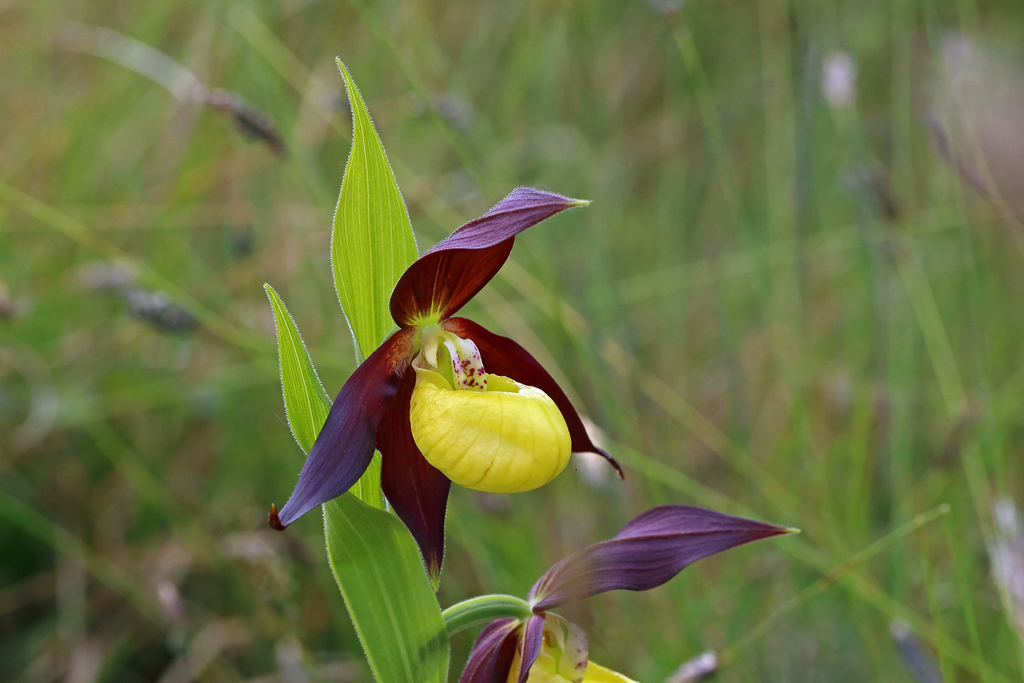
This beautiful orchid is a rare woodland treasure known for its unique, pouch shaped flowers. It thrives in cool, shaded environments with rich, well draining soil. You'll find it's quite a challenge to grow outside of its natural habitat.

De un vistazo
- Nivel de cuidados
- Difícil
- Tipo de planta
- Perennial orchid
- Luz
- Partial shade
- Luz en interior
- Luz indirecta brillante
- Riego
- Cada 5 a 10 días
- Tamaño adulto
- 1 to 2 feet
- Ritmo de crecimiento
- Lento
- Rusticidad
- USDA 3 a 7
- Floración
- Late spring to early summer
Cuidados
Keep the soil consistently moist but never waterlogged to mimic its forest floor home. Watch for yellowing leaves, which often signal that the soil is too wet or lacks proper drainage. It prefers cool temperatures and high humidity to stay happy.
- Riego
- Keep the substrate damp to the touch without letting it sit in standing water.
- Abonado
- Use a very diluted, balanced orchid fertilizer during the active growing season.
- Poda
- Remove dead foliage only after the plant has fully entered dormancy in late autumn.
- Trasplante
- Repot only when the plant has clearly outgrown its container or the medium has broken down.
- Suelo
- Rich, calcareous, well draining woodland soil
- pH del suelo
- Neutral to slightly alkaline
- Temperatura
- -30 a 25°C
- Humedad
- 50 a 70%
Seguridad
- Personas
- The plant contains irritant compounds that can cause dermatitis in sensitive individuals.
- Niños
- Keep children away from the plant as ingestion can cause gastrointestinal distress.
- Alérgenos por contacto
- Handling the foliage can cause skin irritation or rashes due to glandular hairs.
- Alérgenos en el aire
- There is no significant evidence of respiratory allergies associated with this species.
- Comestibilidad
- This plant is not edible and may cause stomach upset if ingested.
Cómo identificarla
- Large, inflated, slipper shaped yellow lip
- Dark purple or brown twisted petals
- Broad, pleated, alternate green leaves
- Grows from a creeping rhizome
- Altura
- 0,2 a 0,6m
- Anchura
- 0,15 a 0,3m
- Hojas
- green, deciduous
- Flores
- yellow, brown, 5 a 8cm
Problemas frecuentes
- Slugs and snails — These pests can quickly devour the tender new shoots in spring.
- Root rot — Poorly drained soil often leads to fungal decay of the root system.
Cómo cultivarla
- Propagación
- division, seed
- Cuándo plantar
- spring, autumn
Plant in groups with other woodland perennials that appreciate cool, moist, and alkaline soil.
Buenas compañeras
- Dryopteris — They provide the dappled shade and moisture levels this orchid prefers.
- Helleborus orientalis — They share similar woodland soil and light requirements.
Especies parecidas
- Cypripedium reginae — It is a related North American species with similar growth habits.
Ciencia
- Familia
- Orchidaceae
- Género
- Cypripedium
- Orden
- Asparagales
- Clase
- Liliopsida
- Distribución natural
- Temperate regions of Europe and Asia.
- Conservación
- This species is protected in many parts of its range and should never be collected from the wild.
It thrives in calcareous woodlands where it forms symbiotic relationships with soil fungi.
- Valor para la fauna
- nectar source
- Polinizadores
- abejas
- Usos
- ornamental garden plant, botanical collection
A lo largo del año
Indicadores ecológicos
- Salinidad
- 0/9
- Reacción del suelo
- 8/9
- Luz
- 3/9
- Temperatura
- 3/9
- Humedad
- 6/9
- Nutrientes
- 4/9
Taxonomía cotejada con GBIF.
Lo que más preguntan
- Can I grow this in a regular garden bed?
- It requires specialized soil conditions, usually a woodland setting with high organic matter.
- How often should I water it?
- Keep the soil consistently moist but never waterlogged.
De dónde viene el nombre
The name Cypripedium comes from Greek words meaning Venus and shoe, referring to the slipper shape.
Bueno saberlo
- It is the largest orchid species native to Europe.
- The flower uses a trap mechanism to ensure bees pollinate it.
- It requires a specific mycorrhizal fungus in the soil to germinate from seed.
- The name refers to the slipper shaped labellum of the flower.
También en
¿Tu lady's slipper orchid tiene mal aspecto?
Esta página es una guía general. Pocket Botanist diagnostica problemas a partir de una foto de tu propia planta, calcula el riego según tu luz y tus condiciones, y te avisa cuando toca cuidarla.
Esta guía se ha generado con IA y se ha cotejado con la taxonomía de GBIF. Es información general, no asesoramiento botánico ni veterinario. Descubre cómo elaboramos estas guías.