 Pocket Botanist
Guía de plantas
Cíclamen de hoja de hiedra.
Cyclamen hederifolium
Pronunciación SY-kla-men hed-er-ih-FO-lee-um
También se conoce como Cíclamen de hoja de hiedra, Cíclamen de hoja de hiedra, Pan de cerdos


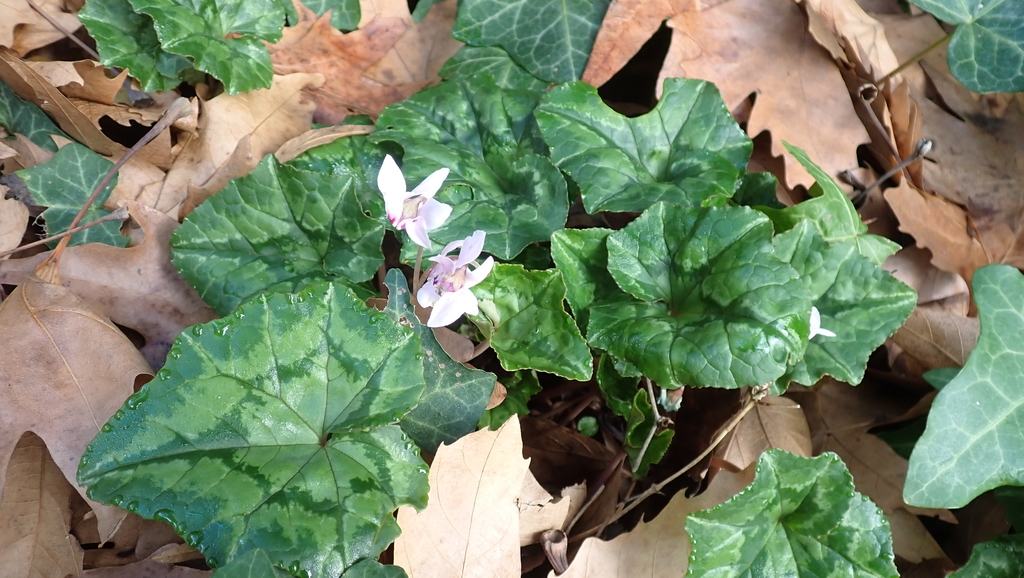
El cíclamen de hoja de hiedra es una planta perenne tuberosa encantadora que despierta en otoño. Produce hermosas flores hacia atrás antes de que emerjan sus hojas veteadas. Es una opción fantástica para naturalizar debajo de árboles de hoja caduca.

De un vistazo
- Nivel de cuidados
- Fácil
- Tipo de planta
- Planta perenne herbácea
- Luz
- Sombra parcial a sombra total
- Luz en interior
- Luz media
- Riego
- Cada 7 a 14 días
- Tamaño adulto
- 15cm de alto, 20cm de extensión
- Ritmo de crecimiento
- Lento
- Rusticidad
- USDA 5 a 9
- Floración
- Finales de verano a mediados de otoño
Cuidados
Planta tus tubérculos en tierra que drene bien, con el lado ligeramente cóncavo hacia arriba. Mantén el área relativamente seca durante su latencia de verano para prevenir la pudrición. Observa si las hojas se ponen amarillas a medida que la planta se prepara para entrar en latencia a finales de primavera.
- Riego
- Riega regularmente durante la temporada de crecimiento activo en otoño e invierno, pero mantenla seca mientras está latente en verano.
- Abonado
- Aplica un fertilizante líquido equilibrado una vez al mes durante la fase de crecimiento activo.
- Poda
- Simplemente retira cualquier follaje muerto o dañado después de que la planta haya terminado su ciclo de crecimiento.
- Trasplante
- Trasplanta solo cuando los tubérculos estén demasiado apretados en su contenedor.
- Suelo
- Tierra que drene bien, rica en humus
- pH del suelo
- Neutro a ligeramente alcalino
- Temperatura
- -15 a 30°C
- Humedad
- 40 a 70%
- Tolerancia a la sequía
- Alta
- Longevidad
- Perenne, puede vivir muchas décadas.
- Fragancia
- Suave
- Resistencia a ciervos y conejos
- Alta
Señales de que necesita trasplante
- Raíces dando vueltas en el fondo de la maceta
- Crecimiento estancado durante la temporada activa
Seguridad
- Personas
- Los tubérculos son venenosos y pueden causar graves molestias digestivas si se ingieren.
- Mascotas
- Esta planta es tóxica para gatos y perros si se ingiere.
- Niños
- Mantenga esta planta alejada de los niños, ya que los tubérculos son tóxicos si se ingieren.
- Alérgenos por contacto
- La savia puede causar irritación en la piel en personas sensibles.
- Alérgenos en el aire
- No hay alérgenos respiratorios notables asociados con esta planta.
- Comestibilidad
- Todas las partes de esta planta contienen ciclamina, que es tóxica si se ingiere.
Cómo identificarla
- Hojas con forma de hiedra con veteado plateado
- Pétalos reflejos en rosa o blanco
- Las flores aparecen antes que el follaje
- Sistema radicular tuberosa
- Hábito compacto y de bajo crecimiento
- Altura
- 0,1 a 0,15m
- Anchura
- 0,15 a 0,25m
- Hojas
- verde oscuro, plata, caducifolio
- Flores
- rosa, blanco, 2 a 3cm
- Frutos
- marrón, Finales de otoño
Problemas a vigilar
- Babosas y caracolesComún
- OtiorrincoComún
- Podredumbre grisComún
- Ácaro del ciclamenPoco común
- Podredumbre de los tubérculosPoco común
- Gorgojo de la vid — Las larvas se alimentan de los tubérculos, lo que puede debilitar o matar la planta.
- Moho gris — Crecimiento de hongos que aparece en las hojas en aire húmedo y estancado.
Por síntoma
Revisa tu cíclamen de hoja de hiedra con una foto
Pocket Botanist mira una foto de tu planta y te dice qué le pasa y qué probar primero.
Cómo cultivarla
- Propagación
- semilla, división
- Cuándo plantar
- finales de verano, principios de otoño
- Cuidados en invierno
- Acolcha ligeramente con mantillo de moho para proteger los tubérculos de las heladas extremas. Asegúrate de que la tierra permanezca bien drenada para evitar la pudrición durante los inviernos húmedos.
- En maceta
- Se cultivan bien en macetas poco profundas, siempre que la tierra sea arenosa y drene muy rápidamente.
Semilla
- Recolecta las semillas de las vainas a finales de primavera.
- Siembra inmediatamente en una mezcla de semillas arenosa.
- Mantener en un marco fresco y sombreado hasta la germinación.
Plántalas debajo de árboles de hoja caduca donde puedan disfrutar del sol de primavera y la sombra de verano.
Buenas compañeras
- Snowdrop — Comparten condiciones de bosque similares y florecen en diferentes momentos.
- Helleborus orientalis — Proporcionan un hermoso contraste de follaje en parterres sombreados.
Especies parecidas
- Cyclamen coum — Es un pequeño perenne tuberosa similar que florece en invierno.
Ciencia
- Familia
- Primulaceae
- Género
- Cyclamen
- Orden
- Ericales
- Clase
- Magnoliopsida
- Distribución natural
- Sur de Europa y la cuenca del Mediterráneo.
- Conservación
- Esta planta no está amenazada actualmente, pero se debe evitar su recolección silvestre.
Prospera en la sombra moteada de los bosques caducifolios, donde puede pasar a la inactividad durante los meses secos de verano.
- Valor para la fauna
- fuente de néctar de última temporada
- Polinizadores
- abejas
- Usos
- jardines boscosos, jardines de rocas, cubierta vegetal
A lo largo del año
Indicadores ecológicos
- Salinidad
- 1/9
- Reacción del suelo
- 6/9
- Luz
- 3/9
- Temperatura
- 5/9
- Humedad
- 4/9
- Nutrientes
- 4/9
Taxonomía cotejada con GBIF.
Lo que más preguntan
- ¿Necesito regarlas en verano?
- No, están inactivas en verano y prefieren mantenerse secas.
- ¿Puedo cultivarlas en macetas?
- Sí, se dan bien en recipientes poco profundos con un drenaje excelente.
De dónde viene el nombre
El nombre del género proviene de la palabra griega kyklos, que significa círculo, refiriéndose a los tallos florales enrollados, mientras que hederifolium significa de hoja de hiedra.
Bueno saberlo
- Las hojas tienen forma de hiedra, lo que da nombre a la planta.
- Estas plantas pueden vivir muchas décadas en el lugar adecuado.
- A menudo florecen antes de que emerjan las nuevas hojas.
También en
Que tu cíclamen de hoja de hiedra siga creciendo
Esta página es una guía general. Guarda tu planta en Pocket Botanist y tendrás recordatorios de cuidado pensados para esta planta, además de un historial de cuidados que muestra qué ha funcionado.
Esta guía se ha generado con IA y se ha cotejado con la taxonomía de GBIF. Es información general, no asesoramiento botánico ni veterinario. Descubre cómo elaboramos estas guías.