 Pocket Botanist
Guía de plantas
Palma de Sagú.
Cycas revoluta
Pronunciación SY-kas rev-oh-LOO-tuh
También se conoce como Palma Helecho, Palma de Sagú, Sagú, Sagú Real, Cica Sagú, Palma Sagú Japonesa, Cica sagú, sotesu-nut



La Palma de Sagú es una planta hermosa y antigua que parece una palmera en miniatura. En realidad, es una cica y crece muy lentamente, lo que la convierte en una excelente opción como planta de interior a largo plazo. Añade un toque de encanto prehistórico a cualquier rincón soleado de tu hogar.
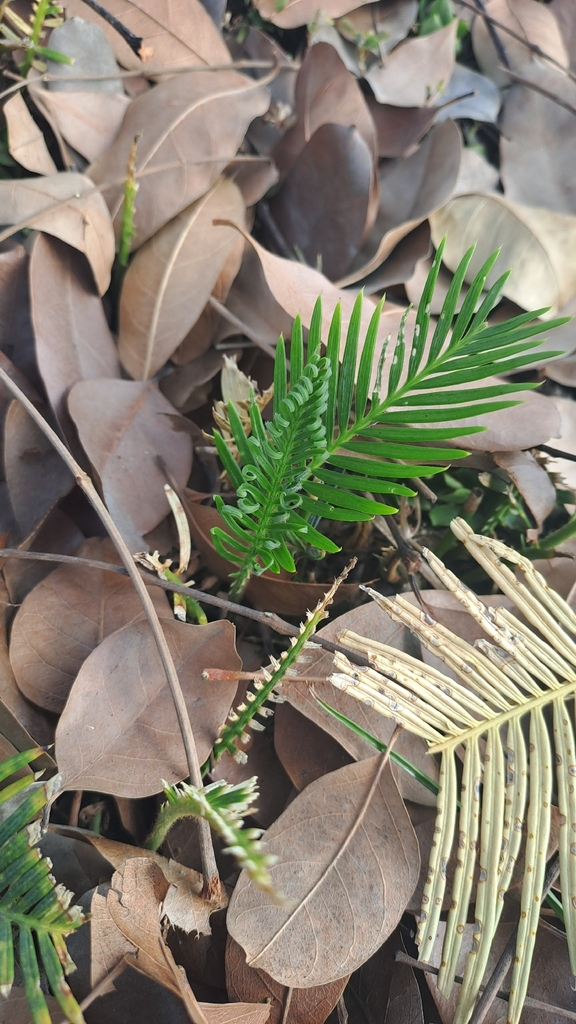
De un vistazo
- Nivel de cuidados
- Media
- Tipo de planta
- Cica
- Luz
- La luz brillante e indirecta es la mejor, aunque puede tolerar algo de sol directo una vez aclimatada.
- Luz en interior
- Luz indirecta brillante
- Riego
- Cada 14 a 21 días
- Tamaño adulto
- 1 a 2 metros de altura
- Ritmo de crecimiento
- Lento
- Rusticidad
- USDA 8 a 11
- Floración
- Rara vez florece en cultivo.
Cuidados
Deja que la tierra se seque bastante entre riegos para evitar la pudrición de las raíces. Proporciona mucha luz brillante para evitar que las hojas se alarguen. Observa si las hojas amarillean, lo que a menudo indica que la planta está recibiendo demasiada agua.
- Riego
- Deja que la mitad superior de la tierra se seque completamente antes de volver a regar.
- Abonado
- Alimenta con un fertilizante líquido equilibrado durante la temporada de crecimiento activo.
- Poda
- Solo quita las hojas que se hayan vuelto completamente marrones o amarillas.
- Trasplante
- Trasplanta solo cuando la planta esté muy apretada de raíces.
- Suelo
- Mezcla para macetas arenosa y bien drenada
- pH del suelo
- 6.0 a 7.0
- Temperatura
- -7 a 40°C
- Humedad
- 40 a 70%
- Tolerancia a la sequía
- Alta
- Longevidad
- Perenne, puede vivir más de 100 años.
- Resistencia a ciervos y conejos
- Alta
Señales de que necesita trasplante
- Raíces creciendo fuera de los agujeros de drenaje
- La planta ha dejado de crecer por completo
- La tierra se está descomponiendo y retiene demasiada agua
Seguridad
- Personas
- Toda la planta contiene cicacina, que es una potente neurotoxina y carcinógeno que causa graves problemas gastrointestinales e insuficiencia hepática.
- Mascotas
- Esta planta es extremadamente tóxica para gatos y perros si se ingiere.
- Niños
- Esta planta es extremadamente peligrosa para los niños porque todas las partes son venenosas y las hojas tienen puntas afiladas como agujas.
- Alérgenos por contacto
- Las hojuelas rígidas y afiladas pueden causar irritación mecánica de la piel y pequeñas heridas punzantes.
- Alérgenos en el aire
- No hay evidencia significativa de alergias respiratorias asociadas con esta planta.
- Comestibilidad
- Todas las partes de esta planta son altamente tóxicas si se ingieren y pueden causar daño hepático grave.
Cómo identificarla
- Hojas rígidas, de color verde oscuro y forma de pluma
- Tronco grueso, leñoso y parecido a una piña
- Las hojas crecen en una roseta circular
- Hábito de crecimiento lento y perenne
- Altura
- 0,6 a 3m
- Anchura
- 0,6 a 2,5m
- Hojas
- verde oscuro, perenne
- Flores
- ninguno, 0cm
- Frutos
- ninguno, ninguno
Problemas a vigilar
- CochinillasComún
- Podredumbre radicularComún
- Bordes marrones en las hojasPoco común
- ClorosisPoco común
- NegrillaPoco común
- Pardeamiento de las frondasPoco común
- Pudrición de raíz — Decaimiento fúngico causado por un suelo constantemente encharcado.
Por síntoma
Revisa tu palma de sagú con una foto
Pocket Botanist mira una foto de tu planta y te dice qué le pasa y qué probar primero.
Cómo cultivarla
- Propagación
- semilla, hijuelos
- Cuándo plantar
- primavera, principios de verano
- Cuidados en invierno
- Mueva las macetas al interior antes de la primera helada si vive en un clima frío. Mantenga la planta en un lugar fresco y luminoso y reduzca significativamente el riego durante los meses de invierno.
- En maceta
- Es excelente para contenedores, pero asegúrese de que la maceta tenga orificios de drenaje grandes y use una mezcla para macetas arenosa y de rápido drenaje.
Hijuelos
- 1. Retire con cuidado los pequeños hijuelos que crecen en la base del tronco principal.
- 2. Permita que el extremo cortado se seque durante unos días en un área seca.
- 3. Plante el hijuelo en una maceta pequeña con tierra bien drenada.
- 4. Mantenga la tierra apenas húmeda hasta que se desarrollen nuevas raíces.
Plantar en suelo bien drenado con poca materia orgánica para imitar su hábitat rocoso natural.
Buenas compañeras
- Liriope variegada — Su follaje similar a la hierba proporciona un contraste suave con la estructura rígida de la cícada.
- Rododendro — Comparten requisitos de drenaje de suelo similares y prosperan a la sombra parcial.
Especies parecidas
- Zamia furfuracea — Tiene un hábito de crecimiento similar y también es una cícada popular para paisajismo.
Ciencia
- Familia
- Cycadaceae
- Género
- Cycas
- Orden
- Cycadales
- Clase
- Cycadopsida
- Distribución natural
- Sur de Japón y partes de las islas Ryukyu.
- Conservación
- Está catalogada como casi amenazada en su hábitat nativo debido a la sobreexplotación para el comercio de viveros.
Prospera en suelos rocosos y bien drenados en áreas costeras donde puede resistir la salpicadura de sal y el viento.
- Valor para la fauna
- raramente visitada por polinizadores locales
- Polinizadores
- escarabajos
- Usos
- ejemplar ornamental, planta de contenedor, punto focal arquitectónico
A lo largo del año
Indicadores ecológicos
- Reacción del suelo
- 6/9
- Luz
- 7/9
- Humedad
- 3/9
- Nutrientes
- 3/9
- Salinidad
- 5/9
- Temperatura
- 7/9
Taxonomía cotejada con GBIF.
Lo que más preguntan
- Es una palmera?
- No, es una cícada, que es un grupo primitivo de plantas con semillas que no producen flores.
- Por qué las hojas se vuelven amarillas?
- El amarillamiento a menudo indica una deficiencia de magnesio o un mal drenaje en el suelo.
De dónde viene el nombre
El nombre Cycas proviene de la palabra griega para un tipo de palma, mientras que revoluta se refiere a la forma en que los márgenes de las hojas se enrollan hacia abajo.
Bueno saberlo
- Los cícadas son fósiles vivientes que han existido desde la época de los dinosaurios.
- Crecen increíblemente lento, a menudo produciendo solo un juego de hojas nuevas al año.
- El tronco es en realidad un tallo leñoso que almacena almidón.
- Son dioicas, lo que significa que las piñas masculinas y femeninas crecen en plantas separadas.
También en
Que tu palma de sagú siga creciendo
Esta página es una guía general. Guarda tu planta en Pocket Botanist y tendrás recordatorios de cuidado pensados para esta planta, además de un historial de cuidados que muestra qué ha funcionado.
Esta guía se ha generado con IA y se ha cotejado con la taxonomía de GBIF. Es información general, no asesoramiento botánico ni veterinario. Descubre cómo elaboramos estas guías.