 Pocket Botanist
Guía de plantas
Ciprés de Arizona.
Cupressus arizonica
Pronunciación koo-PRESS-us air-ih-ZON-ih-kuh
También se conoce como Ciprés de Arizona, Ciprés liso de Arizona, Ciprés de Cuyamaca, Ciprés de Piute, arizona-cypress



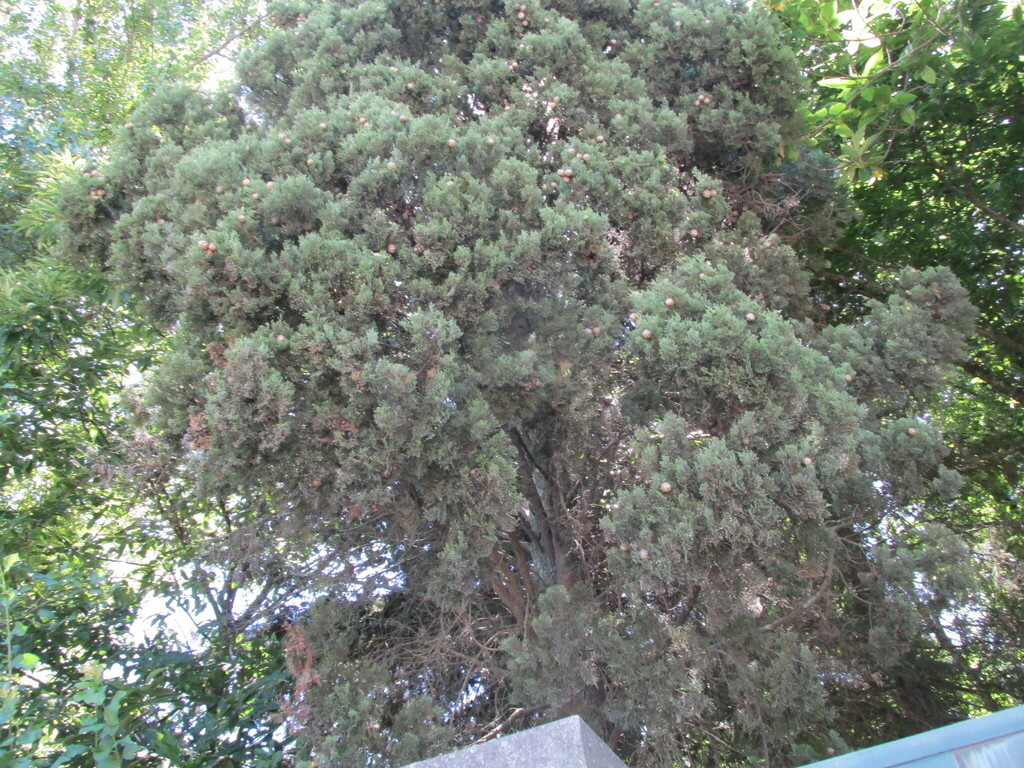
El ciprés de Arizona es un hermoso árbol de hoja perenne, tolerante a la sequía, que aporta un toque del desierto a tu paisaje. Presenta una forma cónica y un follaje llamativo que va del verde grisáceo al azul. Es una opción fantástica si deseas un árbol resistente y de bajo mantenimiento.
De un vistazo
- Nivel de cuidados
- Fácil
- Tipo de planta
- Conífera de hoja perenne
- Luz
- Pleno sol
- Luz en interior
- Sol directo
- Riego
- Cada 7 a 14 días
- Tamaño adulto
- 40 a 50 pies
- Ritmo de crecimiento
- Medio
- Rusticidad
- USDA 6 a 9
- Floración
- Finales de invierno a principios de primavera
Cuidados
Planta este árbol en un lugar con excelente drenaje para prevenir problemas de raíces. Observa si las agujas amarillean, lo que a menudo indica demasiada humedad en el suelo. Es bastante resistente una vez establecido y rara vez necesita atención adicional.
- Riego
- Riega profunda pero infrecuentemente una vez que el árbol esté establecido para fomentar raíces profundas.
- Abonado
- Aplica un fertilizante equilibrado una vez a principios de primavera para favorecer un crecimiento saludable.
- Poda
- Poda ligeramente a finales de invierno para mantener la forma o eliminar ramas muertas.
- Trasplante
- Trasplanta solo si el árbol está en maceta y sus raíces están apretadas.
- Suelo
- Suelo bien drenado, rocoso o arenoso
- pH del suelo
- 6.0 a 8.0
- Temperatura
- -20 a 40°C
- Humedad
- 20 a 50%
- Tolerancia a la sequía
- Alta
- Longevidad
- Perenne, típicamente de 50 a 100 años
- Fragancia
- Suave
- Resistencia a ciervos y conejos
- Alta
Señales de que necesita trasplante
- Las raíces salen de los agujeros de drenaje
- El agua pasa directamente a través de la maceta sin empaparse
Seguridad
- Personas
- La planta generalmente se considera no tóxica, pero puede causar irritación leve de la piel al contacto con la savia.
- Mascotas
- Esta planta generalmente se considera no tóxica para gatos y perros.
- Niños
- Las piñas pequeñas y duras podrían representar un pequeño riesgo de asfixia si las tragan niños muy pequeños.
- Alérgenos por contacto
- Manipular el follaje puede causar una leve irritación en la piel a personas sensibles.
- Alérgenos en el aire
- El polen puede ser un alérgeno importante para las personas sensibles al polen de coníferas durante la primavera.
- Comestibilidad
- El follaje y las piñas no son para consumo humano y pueden causar malestar digestivo si se ingieren.
Cómo identificarla
- Hábito de crecimiento cónico
- Follaje de verde grisáceo a azul
- Hojas escamosas en ramitas redondeadas
- Conos leñosos pequeños
- Corteza desprendible de color marrón rojizo
- Altura
- 6 a 15m
- Anchura
- 3 a 6m
- Hojas
- verde azulado, verde grisáceo, perenne
- Flores
- amarillo, 0,2 a 0,5cm
- Frutos
- marrón, Otoño
Problemas a vigilar
- Araña rojaComún
- ChancroComún
- Cochinilla del enebroPoco común
- DeshidrataciónPoco común
- Orugas de bolsaPoco común
- Podredumbre radicularPoco común
- Tizón de las ramillasPoco común
- Pudrición del Ciprés — Una infección fúngica que causa la muerte de ramas y lesiones en la corteza.
- Ácaros Rojos — Pequeñas plagas que causan punteado y amarilleamiento del follaje durante el clima cálido y seco.
Revisa tu ciprés de arizona con una foto
Pocket Botanist mira una foto de tu planta y te dice qué le pasa y qué probar primero.
Cómo cultivarla
- Propagación
- semilla, esquejes
- Cuándo plantar
- primavera, otoño
- Cuidados en invierno
- No necesita cuidados especiales de invierno ya que es completamente resistente en sus zonas recomendadas. Asegúrate de que el suelo permanezca bien drenado para evitar la pudrición de las raíces durante los inviernos húmedos.
- En maceta
- No es muy adecuado para el cultivo en contenedores a largo plazo debido a su gran tamaño maduro.
Semilla
- Recolecta las piñas maduras en otoño.
- Seca las piñas hasta que se abran para liberar las semillas.
- Siembra las semillas en una mezcla que drene bien y mantenla ligeramente húmeda.
Agrupa este árbol con otras plantas tolerantes a la sequía que no requieran riego frecuente en verano.
Buenas compañeras
- Salvia dorrii — Comparte necesidades de agua similares y proporciona un buen contraste de color.
- Fallugia paradoxa — Este arbusto prospera en las mismas condiciones secas y soleadas que el ciprés.
Especies parecidas
- Cupressus x leylandii — Es un híbrido popular que se usa a menudo para pantallas, pero requiere más agua.
- Ciprés italiano — Tiene una apariencia similar pero un hábito de crecimiento mucho más estrecho y columnar.
Ciencia
- Familia
- Cupressaceae
- Género
- Cupressus
- Orden
- Pinales
- Clase
- Pinopsida
- Distribución natural
- Suroeste de los Estados Unidos y norte de México
- Conservación
- Actualmente, esta especie no está catalogada como en peligro de extinción o amenazada en su área de distribución nativa.
Crece de forma natural en laderas rocosas y cañones, donde prospera en suelos delgados y bien drenados.
- Valor para la fauna
- proporciona cobertura para anidar, las semillas alimentan a pájaros pequeños
- Polinizadores
- abejas
- Usos
- ejemplar ornamental, cortavientos, pantalla de privacidad, xeriscape
A lo largo del año
Indicadores ecológicos
- Salinidad
- 2/9
- Luz
- 8/9
- Temperatura
- 6/9
- Humedad
- 3/9
- Reacción del suelo
- 6/9
- Nutrientes
- 3/9
Taxonomía cotejada con GBIF.
Lo que más preguntan
- ¿Necesita mucha agua?
- Una vez establecida, tolera bastante bien la sequía y prefiere un suelo que drene bien.
- ¿Puedo podarlo?
- La poda ligera está bien, pero evita cortar la madera vieja, ya que no se regenera bien.
De dónde viene el nombre
El epíteto específico arizonica se refiere a su área de distribución nativa en Arizona, mientras que el nombre genérico Cupressus es el nombre clásico en latín para el árbol de ciprés.
Bueno saberlo
- Es una de las pocas especies de ciprés nativas del suroeste de los Estados Unidos.
- La madera es aromática y se ha utilizado para postes de cercas y pequeños proyectos de carpintería.
- Puede vivir más de 100 años en condiciones ideales.
- La corteza se desprende en tiras finas y papiráceas a medida que el árbol madura.
También en
Que tu ciprés de arizona siga creciendo
Esta página es una guía general. Guarda tu planta en Pocket Botanist y tendrás recordatorios de cuidado pensados para esta planta, además de un historial de cuidados que muestra qué ha funcionado.
Esta guía se ha generado con IA y se ha cotejado con la taxonomía de GBIF. Es información general, no asesoramiento botánico ni veterinario. Descubre cómo elaboramos estas guías.