 Pocket Botanist
Guía de plantas
Árbol de repollo.
Cordyline australis
Pronunciación kor-di-LY-nee aw-STRAH-liss
También se conoce como Árbol de repollo, Palma de repollo, Árbol de repollo de Nueva Zelanda, Lirio de palma, Árbol de repollo, Drácena fuente, Drácena gigante, Palma de césped


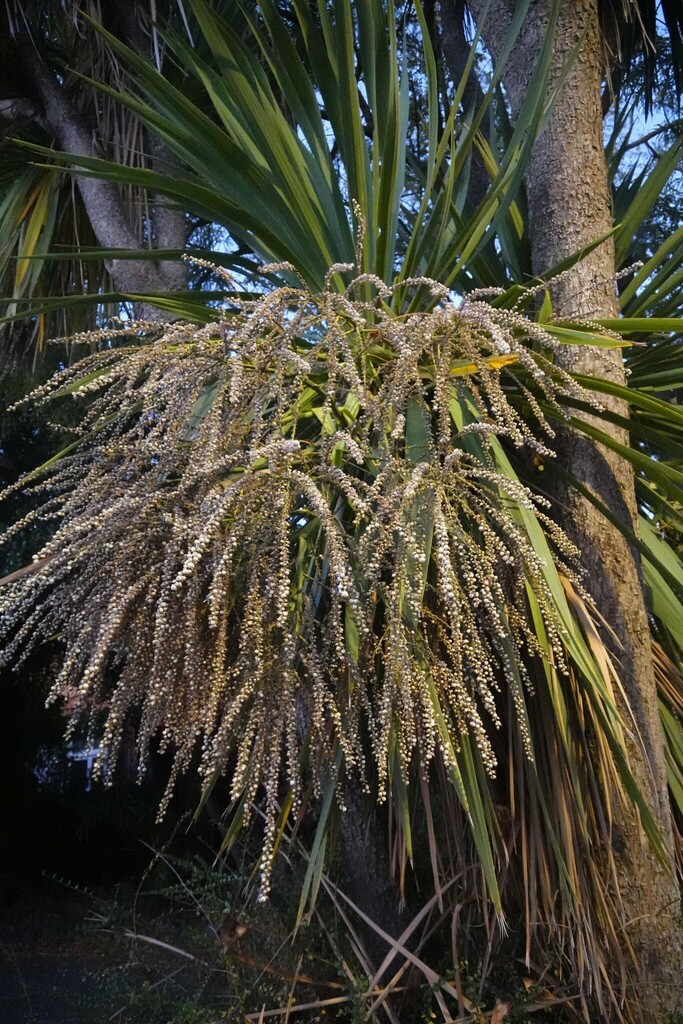
El árbol de repollo es una planta llamativa, similar a una palmera, nativa de Nueva Zelanda. Aporta un toque tropical a tu espacio con sus hojas en forma de espada y su forma arquitectónica. Te encantará cómo destaca como punto focal en cualquier habitación luminosa.

De un vistazo
- Nivel de cuidados
- Fácil
- Tipo de planta
- Árbol de hoja perenne
- Luz
- Sol pleno a sombra parcial
- Luz en interior
- Luz indirecta brillante
- Riego
- Cada 7 a 10 días
- Tamaño adulto
- 15 a 30 pies en la naturaleza
- Ritmo de crecimiento
- Medio
- Rusticidad
- USDA 9 a 11
- Floración
- Finales de primavera a principios de verano
Cuidados
Mantén la tierra constantemente húmeda pero nunca empapada para prevenir la pudrición de las raíces. Observa si las hojas se amarillean, lo que a menudo indica que la planta está recibiendo demasiada agua. Limpia el polvo de las hojas ocasionalmente para ayudar a la planta a respirar y mantenerse saludable.
- Riego
- Riega cuando la pulgada superior de la tierra se sienta seca al tacto.
- Abonado
- Alimenta con un fertilizante líquido equilibrado durante la temporada de crecimiento activo.
- Poda
- Retira las hojas inferiores muertas o dañadas para mantener una apariencia ordenada.
- Trasplante
- Trasplanta a un recipiente ligeramente más grande una vez que las raíces comiencen a abarrotar la maceta.
- Suelo
- Mezcla para macetas bien drenada
- pH del suelo
- 6.0 a 7.5
- Temperatura
- -5 a 35°C
- Humedad
- 40 a 70%
- Tolerancia a la sequía
- Moderada
- Longevidad
- Perenne de larga vida, a menudo dura varias décadas.
- Fragancia
- Intensa
- Resistencia a ciervos y conejos
- Moderada
Señales de que necesita trasplante
- Las raíces crecen fuera de los agujeros de drenaje.
- El agua permanece en la superficie durante demasiado tiempo.
- Crecimiento atrofiado durante la temporada activa.
Seguridad
- Personas
- El follaje puede ser ligeramente tóxico si es ingerido por humanos o mascotas.
- Mascotas
- Esta planta se considera no tóxica para gatos y perros.
- Niños
- Mantenga a los niños alejados de las puntas afiladas de las hojas, similares a espadas, que pueden causar lesiones oculares.
- Alérgenos por contacto
- Las puntas afiladas de las hojas pueden causar irritación mecánica en la piel.
- Alérgenos en el aire
- Las flores producen polen que puede desencadenar fiebre del heno leve en personas sensibles.
- Comestibilidad
- La planta no se considera comestible y su ingestión puede causar malestar digestivo.
Cómo identificarla
- Hojas largas, correosas y en forma de espada
- Tronco leñoso, similar a una palmera
- Las hojas crecen en densos mechones terminales
- Las plantas maduras producen fragantes flores blancas
- Altura
- 3 a 6m
- Anchura
- 1 a 3m
- Hojas
- verde, bronce, púrpura, perenne
- Flores
- blanco, crema, 0,5 a 1cm
- Frutos
- blanco, azul, Otoño
Problemas a vigilar
- CochinillasComún
- Manchas foliaresComún
- Bordes marrones en las hojasPoco común
- Podredumbre radicularPoco común
- Mancha foliar — Infecciones fúngicas que causan manchas marrones o negras en el follaje.
Revisa tu árbol de repollo con una foto
Pocket Botanist mira una foto de tu planta y te dice qué le pasa y qué probar primero.
Cómo cultivarla
- Propagación
- semilla, esquejes, división
- Cuándo plantar
- primavera, principios de verano
- Cuidados en invierno
- En climas más fríos, traslada las macetas al interior a un lugar luminoso y libre de heladas. Si está plantada en el suelo, envuelve la corona con arpillera para protegerla de los duros vientos invernales.
- En maceta
- Crece maravillosamente en contenedores, siempre que la maceta tenga al menos 40 cm de ancho y un excelente drenaje.
Esquejes de tallo
- 1. Corta un brote lateral o sección de tallo sano.
- 2. Retira las hojas inferiores.
- 3. Sumerge el extremo cortado en hormona de enraizamiento.
- 4. Planta en un medio húmedo y bien drenado.
- 5. Mantén en un lugar cálido y luminoso hasta que se formen las raíces.
Combina con cubresuelos rastreros y tolerantes a la sequía para dar sombra a la zona de las raíces y retener la humedad.
Buenas compañeras
- lino de Nueva Zelanda — Comparten necesidades ambientales similares y crean una estética costera clásica.
- Hebe — Estos arbustos proporcionan un buen contraste textural con el follaje puntiagudo del árbol de repollo.
Especies parecidas
- Cordyline indivisa — Tiene hojas más anchas y rígidas y una preferencia más alpina.
Ciencia
- Familia
- Asparagaceae
- Género
- Cordyline
- Orden
- Asparagales
- Clase
- Liliopsida
- Distribución natural
- Nueva Zelanda
- Conservación
- Actualmente no está amenazada en su área nativa.
Prospera en bosques abiertos y áreas pantanosas donde puede acceder a humedad constante.
- Valor para la fauna
- fuente de néctar, proporciona refugio a pájaros pequeños
- Polinizadores
- abejas, mariposas, polillas
- Usos
- punto focal ornamental, planta de contenedor, paisajismo costero
A lo largo del año
Indicadores ecológicos
- Salinidad
- 6/9
- Reacción del suelo
- 5/9
- Luz
- 7/9
- Temperatura
- 7/9
- Humedad
- 5/9
- Nutrientes
- 4/9
Taxonomía cotejada con GBIF.
Lo que más preguntan
- ¿Puedo cultivar esto en una maceta?
- Sí, es una planta de contenedor fantástica si usas una mezcla para macetas bien drenada.
- ¿Con qué frecuencia debo regarla?
- Riega cuando los primeros centímetros de tierra se sientan secos al tacto.
De dónde viene el nombre
El nombre del género proviene de la palabra griega kordyle, que significa maza, refiriéndose a las raíces engrosadas. El nombre de la especie australis significa sur, haciendo referencia a su origen en el hemisferio sur.
Bueno saberlo
- Comúnmente se le llama árbol de repollo en Nueva Zelanda.
- La planta puede crecer bastante alta en su hábitat nativo.
- Es muy tolerante a la salpicadura de sal, lo que la hace ideal para jardines costeros.
- Las hojas eran utilizadas históricamente por los pueblos indígenas para hacer cuerdas y ropa.
- Produce enormes y fragantes panículas de flores.
Que tu árbol de repollo siga creciendo
Esta página es una guía general. Guarda tu planta en Pocket Botanist y tendrás recordatorios de cuidado pensados para esta planta, además de un historial de cuidados que muestra qué ha funcionado.
Esta guía se ha generado con IA y se ha cotejado con la taxonomía de GBIF. Es información general, no asesoramiento botánico ni veterinario. Descubre cómo elaboramos estas guías.