 Pocket Botanist
Guía de plantas
Enchanter's nightshade.
Circaea lutetiana
Pronunciación sir-SEE-uh loo-teh-tee-AH-nuh
También se conoce como Common Enchanter's Nightshade, Enchanter's Nightshade, Enchanter's nightshade, Witch's grass, Enchanter's-Nightshade


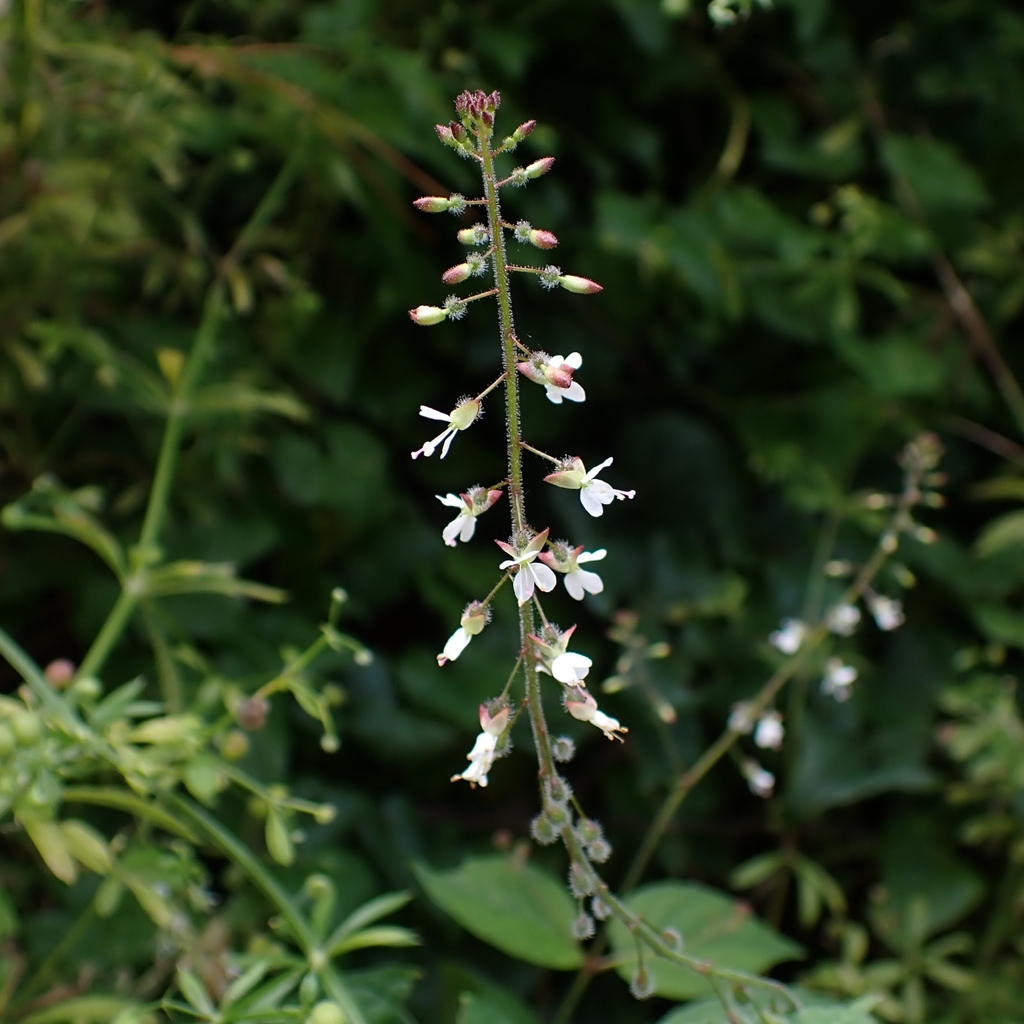
This charming woodland perennial is a common sight in shaded forests across Europe and Asia. It spreads through underground runners to form lovely patches in damp, cool areas. You'll find it's quite resilient in the right garden spot.

De un vistazo
- Nivel de cuidados
- Fácil
- Tipo de planta
- Perennial herb
- Luz
- Full shade to partial shade
- Luz en interior
- Luz baja
- Riego
- Cada 3 a 7 días
- Tamaño adulto
- 24 inches
- Ritmo de crecimiento
- Medio
- Rusticidad
- USDA 4 a 8
- Floración
- Mid to late summer
Cuidados
Keep the soil consistently moist to mimic its natural forest floor habitat. Watch for wilting during dry spells, as it prefers to stay cool and damp. It can spread quickly, so keep an eye on its footprint in your garden beds.
- Riego
- Ensure the soil stays damp but not waterlogged.
- Abonado
- A light application of organic compost in spring is plenty.
- Poda
- Cut back dead stems in late autumn or early spring.
- Trasplante
- Divide clumps every few years to keep the plant vigorous.
- Suelo
- Humus rich and moist
- pH del suelo
- Neutral to slightly acidic
- Temperatura
- -20 a 30°C
- Humedad
- 40 a 70%
Seguridad
- Personas
- There is no significant toxicity reported for this plant.
- Niños
- The small, sticky burrs can be a nuisance if they get stuck in hair or clothing.
- Alérgenos por contacto
- The foliage can cause mild skin irritation in sensitive individuals.
- Alérgenos en el aire
- There are no notable respiratory allergens associated with this plant.
- Comestibilidad
- This plant is not considered edible and should be avoided.
Cómo identificarla
- Opposite ovate leaves with pointed tips
- Small white or pinkish flowers
- Two petals per flower
- Hooked bristles on fruit capsules
- Slender stems reaching knee height
- Altura
- 0,2 a 0,6m
- Anchura
- 0,3 a 0,9m
- Hojas
- green, deciduous
- Flores
- white, pink, 0,5 a 1cm
- Frutos
- green, brown, Late summer to autumn
Problemas frecuentes
- Powdery mildew — A white fungal growth appears on leaves during periods of high humidity.
Cómo cultivarla
- Propagación
- division, seed
- Cuándo plantar
- spring, autumn
Group this plant with other shade lovers that enjoy consistent moisture to create a lush woodland display.
Buenas compañeras
- anémona de madera — They share similar requirements for moist, shaded woodland environments.
- Asarum canadense — This makes a lovely, low growing companion for shaded areas.
Especies parecidas
- Circaea alpina — It is a smaller, more delicate relative found in cooler, higher elevations.
Ciencia
- Familia
- Onagraceae
- Género
- Circaea
- Orden
- Myrtales
- Clase
- Magnoliopsida
- Distribución natural
- Europe, Western Asia, and parts of North America.
- Conservación
- This plant is common and not of conservation concern.
It thrives in moist, shaded woodland floors where it competes for light under the canopy.
- Valor para la fauna
- nectar source
- Polinizadores
- abejas, flies
- Usos
- woodland garden, shade groundcover
A lo largo del año
Indicadores ecológicos
- Salinidad
- 1/9
- Reacción del suelo
- 6/9
- Luz
- 2/9
- Temperatura
- 5/9
- Humedad
- 7/9
- Nutrientes
- 6/9
Taxonomía cotejada con GBIF.
Lo que más preguntan
- Is it invasive?
- It can be aggressive in small gardens due to its spreading rhizomes.
- Does it need full sun?
- No, it prefers deep to partial shade.
De dónde viene el nombre
The name Circaea honors the sorceress Circe, while lutetiana refers to Lutetia, the ancient name for Paris.
Bueno saberlo
- It is commonly known as enchanter's nightshade.
- The genus name refers to Circe, the Greek enchantress, due to its woodland habitat.
- It spreads via underground rhizomes to form colonies.
También en
¿Tu enchanter's nightshade tiene mal aspecto?
Esta página es una guía general. Pocket Botanist diagnostica problemas a partir de una foto de tu propia planta, calcula el riego según tu luz y tus condiciones, y te avisa cuando toca cuidarla.
Esta guía se ha generado con IA y se ha cotejado con la taxonomía de GBIF. Es información general, no asesoramiento botánico ni veterinario. Descubre cómo elaboramos estas guías.