 Pocket Botanist
Guía de plantas
Water fern.
Azolla filiculoides
Pronunciación uh-ZOH-luh fil-ih-koy-DEEZ
También se conoce como Floating Fern, Pacific azolla, Pacific azolla, Pacific mosquitofern, Pacific mosquito fern, Pacific mosquitofern, Red Fern, Water Fern, Water Fern, Fairy moss


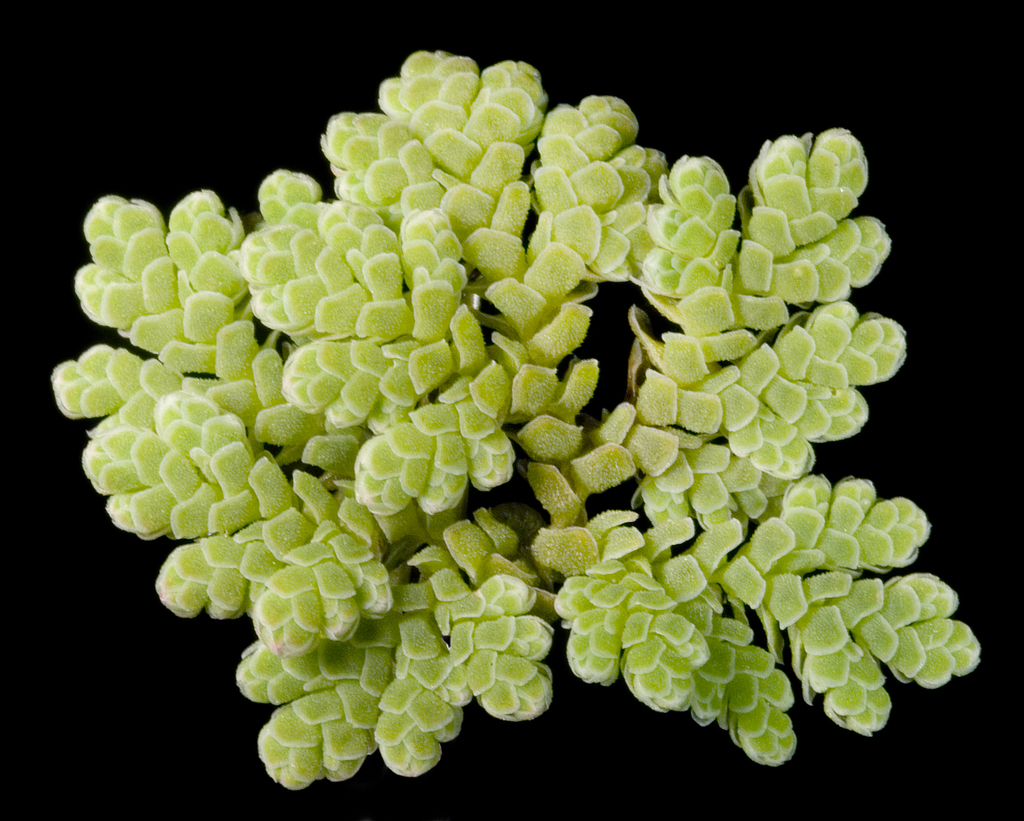
This tiny floating aquatic fern is a fascinating plant that forms dense mats on the water surface. It is well known for its symbiotic relationship with nitrogen fixing cyanobacteria. You will often see it turning reddish in cooler weather or high light.

De un vistazo
- Nivel de cuidados
- Fácil
- Tipo de planta
- Aquatic fern
- Luz
- Full sun to partial shade
- Luz en interior
- Luz indirecta brillante
- Riego
- Cada 0 días
- Tamaño adulto
- 1 to 2 centimeters
- Ritmo de crecimiento
- Rápido
- Rusticidad
- USDA 7 a 10
Cuidados
Keep this plant in a calm body of water with plenty of sunlight. Watch for rapid spread, as it can quickly cover an entire pond surface if left unchecked. Ensure it stays moist at all times since it is strictly aquatic.
- Riego
- This plant must remain floating in water at all times.
- Abonado
- Usually obtains nutrients from the water, but a light liquid aquatic fertilizer helps in nutrient poor ponds.
- Poda
- Scoop out excess plants to prevent them from completely covering the water surface.
- Trasplante
- This is a free floating plant and does not require potting.
- Suelo
- None, aquatic
- pH del suelo
- 6.0 to 8.0
- Temperatura
- 0 a 30°C
- Humedad
- 70 a 100%
Seguridad
- Personas
- There is no evidence of human toxicity, but it should not be eaten due to potential water contamination.
- Niños
- Keep away from small children as it can be a choking hazard if ingested from water features.
- Comestibilidad
- This plant is not intended for human consumption and may accumulate heavy metals from water.
Cómo identificarla
- Tiny triangular overlapping leaves
- Floating on water surface
- Roots hang directly into water
- Color shifts green to red
- Altura
- 0,01 a 0,02m
- Anchura
- 0,1 a 10m
- Hojas
- green, red, deciduous
- Flores
- 0cm
Problemas frecuentes
- Overgrowth — It can quickly cover the entire surface of a pond, blocking light and oxygen.
Cómo cultivarla
- Propagación
- division
- Cuándo plantar
- spring, summer
Use this plant to shade out algae in small ponds.
Buenas compañeras
- Eichhornia crassipes — They both thrive in similar aquatic conditions.
Especies parecidas
- Duckweed — It is a similar floating plant often found in the same habitats.
Ciencia
- Familia
- Salviniaceae
- Género
- Azolla
- Orden
- Salviniales
- Clase
- Polypodiopsida
- Distribución natural
- Americas
- Conservación
- It is considered an invasive species in many parts of the world outside its native range.
It floats on the water surface and thrives in nutrient rich, still, or slow moving water.
- Valor para la fauna
- provides cover for aquatic insects, habitat for small fish
- Usos
- water garden cover, natural fertilizer, aquarium plant
A lo largo del año
Indicadores ecológicos
- Salinidad
- 1/9
- Reacción del suelo
- 5/9
- Luz
- 7/9
- Temperatura
- 6/9
- Humedad
- 9/9
- Nutrientes
- 7/9
Taxonomía cotejada con GBIF.
Lo que más preguntan
- Is it a moss?
- No, it is a tiny aquatic fern.
- How do I control it?
- Simply scoop the excess plants off the water surface with a net.
De dónde viene el nombre
The name Azolla comes from the Greek words for dry and to destroy, referring to its tendency to die when dried out.
Bueno saberlo
- It is often called fairy moss.
- The plant turns reddish in bright sun or cold temperatures.
- It is one of the fastest growing plants on earth.
¿Tu water fern tiene mal aspecto?
Esta página es una guía general. Pocket Botanist diagnostica problemas a partir de una foto de tu propia planta, calcula el riego según tu luz y tus condiciones, y te avisa cuando toca cuidarla.
Esta guía se ha generado con IA y se ha cotejado con la taxonomía de GBIF. Es información general, no asesoramiento botánico ni veterinario. Descubre cómo elaboramos estas guías.