 Pocket Botanist
Guía de plantas
Aguileña.
Aquilegia
Pronunciación ak-wi-LEE-jee-uh
También se conoce como Aguileña, Aguileñas, gorros de abuela



Las aguileñas son unas plantas perennes encantadoras, conocidas por sus flores únicas con espuelas que danzan sobre un delicado follaje. Aportan un toque de elegancia boscosa a cualquier parterre del jardín. Estas plantas son las favoritas de los jardineros por su capacidad para atraer colibríes y mariposas.
De un vistazo
- Nivel de cuidados
- Fácil
- Tipo de planta
- Planta perenne herbácea
- Luz
- Sombra parcial a sol pleno
- Luz en interior
- Luz indirecta brillante
- Riego
- Cada 3 a 7 días
- Tamaño adulto
- 1 a 3 pies
- Ritmo de crecimiento
- Medio
- Rusticidad
- USDA 3 a 9
- Floración
- Mediados a finales de primavera
Cuidados
Mantén la tierra constantemente húmeda pero nunca encharcada para asegurar las mejores floraciones. Vigila si las hojas se marchitan como señal de sed o la presencia de minadores de hojas que dejan senderos blancos en el follaje. Quitar las flores marchitas fomenta que la planta produzca más flores a lo largo de la temporada.
- Riego
- Riega cuando la pulgada superior de la tierra se sienta seca al tacto.
- Abonado
- Aplica un fertilizante líquido equilibrado una vez al mes durante la temporada de crecimiento.
- Poda
- Retira los tallos de flores marchitas para promover el nuevo crecimiento y mantener la planta ordenada.
- Trasplante
- Trasplanta a principios de primavera si la planta se queda sin espacio en su maceta.
- Suelo
- Tierra bien drenada y rica en humus
- pH del suelo
- 6.0 a 7.5
- Temperatura
- -30 a 30°C
- Humedad
- 40 a 60%
- Tolerancia a la sequía
- Moderada
- Longevidad
- Planta perenne de corta vida, típicamente de 3 a 5 años.
- Resistencia a ciervos y conejos
- Moderada
Señales de que necesita trasplante
- Las raíces crecen fuera de los agujeros de drenaje.
- El agua permanece en la superficie durante demasiado tiempo.
- El crecimiento de la planta se ralentiza significativamente.
Seguridad
- Personas
- Todas las partes de la planta contienen glucósidos cianogénicos que pueden causar malestar digestivo significativo si se ingieren.
- Mascotas
- Esta planta se considera tóxica para gatos y perros si se ingiere.
- Niños
- Mantenga esta planta alejada de niños pequeños, ya que la ingestión de cualquier parte puede causar náuseas y vómitos.
- Alérgenos por contacto
- Manipular el follaje puede causar irritación leve de la piel en personas sensibles.
- Alérgenos en el aire
- El polen generalmente no se considera un alérgeno aéreo significativo.
- Comestibilidad
- Las aguileñas se consideran tóxicas si se ingieren y no deben consumirse.
Cómo identificarla
- Pétalos distintivos con espuelas
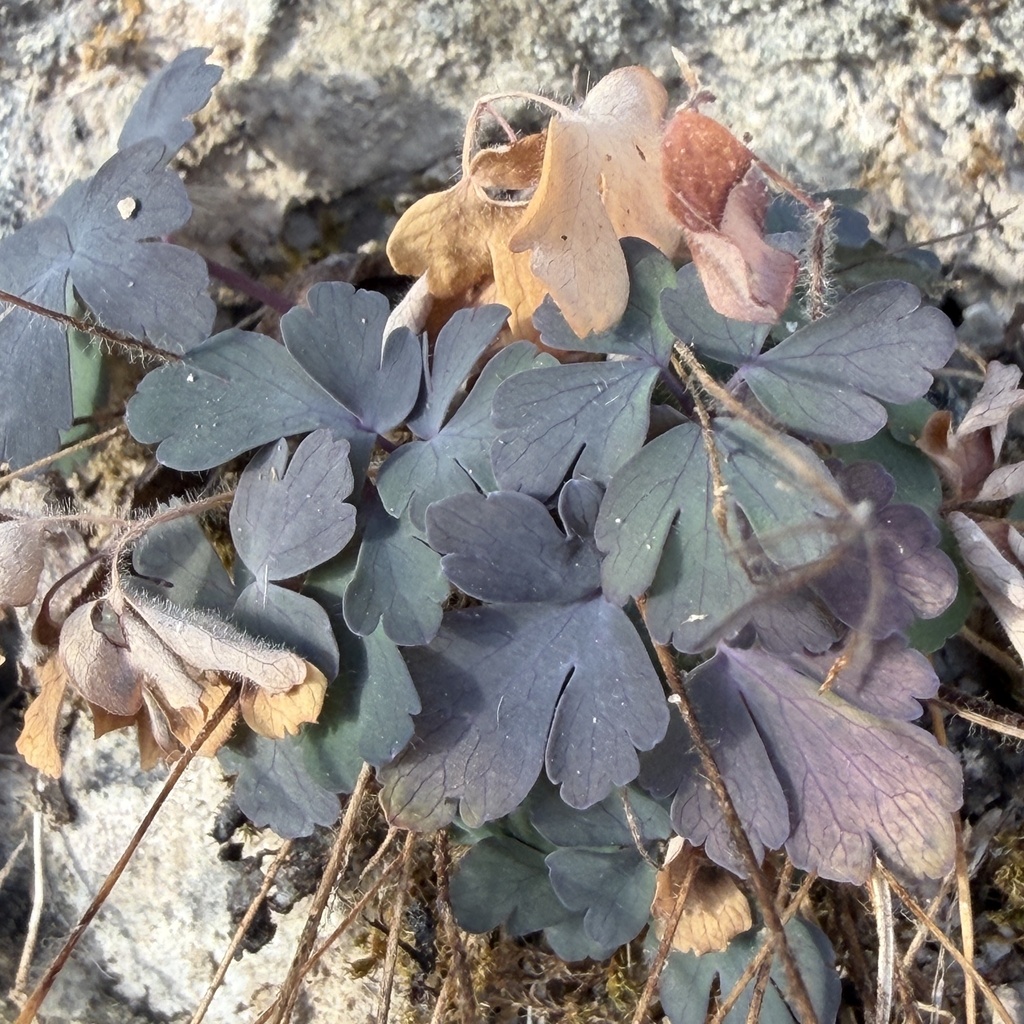
- Delicado follaje verde azulado, parecido a helechos
- Flores acampanadas que se inclinan o se yerguen
- Hojas compuestas con folíolos redondeados
- Altura
- 0,3 a 0,9m
- Anchura
- 0,3 a 0,6m
- Hojas
- verde azulado, verde, caducifolio
- Flores
- azul, morado, rojo, amarillo, blanco, rosa, 3 a 8cm
Problemas a vigilar
- Minador de la aguileñaComún
- OídioComún
- Babosas y caracolesPoco común
- Manchas foliaresPoco común
- Podredumbre radicularPoco común
- PulgonesPoco común
- Minador de hojas de aguileña — Pequeñas larvas crean túneles blancos serpenteantes dentro de las hojas.
Por síntoma
Revisa tu aguileña con una foto
Pocket Botanist mira una foto de tu planta y te dice qué le pasa y qué probar primero.
Cómo cultivarla
- Propagación
- semilla, división
- Cuándo plantar
- primavera, otoño
- Cuidados en invierno
- Pode el follaje muerto hasta el suelo a finales de otoño después de la primera helada. Una capa ligera de mantillo puede ayudar a proteger la corona durante el frío extremo.
- En maceta
- Crecen bien en contenedores siempre que la maceta tenga un excelente drenaje y tenga al menos 25 centímetros de profundidad.
Siembra de semillas
- 1. Recoja las semillas a finales de verano una vez que las vainas se sequen.
- 2. Siembre las semillas en macetas durante el otoño para estratificación en frío.
- 3. Mantenga las macetas en un área exterior protegida durante el invierno.
- 4. Trasplante las plántulas en primavera.
Plántelas con otras plantas de floración primaveral para asegurar una sucesión de color en su jardín de sombra.
Buenas compañeras
- Lamprocapnos spectabilis — Comparten requisitos similares de luz y humedad en entornos boscosos.
- Campanillas de coral — Las texturas del follaje contrastan maravillosamente mientras que ambas prefieren sombra parcial.
Especies parecidas
- aguileña oriental roja — Esta es una especie nativa de América del Norte que es excelente para atraer colibríes.
Ciencia
- Familia
- Ranunculaceae
- Género
- Aquilegia
- Orden
- Ranunculales
- Clase
- Magnoliopsida
- Distribución natural
- Regiones templadas del Hemisferio Norte
- Conservación
- La mayoría de las especies son comunes, pero algunas variedades locales raras nunca deben ser recolectadas de la naturaleza.
Prosperan en sombra moteada y suelos bien drenados, a menudo se encuentran en laderas rocosas o bordes de bosques.
- Valor para la fauna
- fuente de néctar
- Polinizadores
- abejas, mariposas, colibríes
- Usos
- jardines de estilo campestre, borduras para polinizadores, jardines boscosos
A lo largo del año
Indicadores ecológicos
- Luz
- 5/9
- Humedad
- 5/9
- Salinidad
- 2/9
- Reacción del suelo
- 5/9
- Temperatura
- 4/9
- Nutrientes
- 4/9
Taxonomía cotejada con GBIF.
Lo que más preguntan
- ¿Por qué desaparece mi aguileña?
- Son naturalmente de corta vida y a menudo mueren después de unas pocas temporadas, aunque usualmente dejan atrás plántulas.
- ¿Necesito quitarles las flores marchitas?
- Quitar las flores marchitas previene la producción de semillas y mantiene la planta ordenada, pero dejarlas permite que se naturalicen.
De dónde viene el nombre
El nombre del género Aquilegia deriva de la palabra latina para águila, mientras que el nombre común Columbine proviene del latín para paloma debido a la forma de la flor.
Bueno saberlo
- El nombre proviene de la palabra latina para águila porque los espolones se parecen a las garras de águila.
- Las aguileñas son plantas perennes de corta vida que a menudo se auto-siembran para mantener su presencia en el jardín.
- Son un favorito clásico para los jardines de estilo campestre antiguos.
También en
Que tu aguileña siga creciendo
Esta página es una guía general. Guarda tu planta en Pocket Botanist y tendrás recordatorios de cuidado pensados para esta planta, además de un historial de cuidados que muestra qué ha funcionado.
Esta guía se ha generado con IA y se ha cotejado con la taxonomía de GBIF. Es información general, no asesoramiento botánico ni veterinario. Descubre cómo elaboramos estas guías.