 Pocket Botanist
Guía de plantas
Patas de canguro.
Anigozanthos flavidus
Pronunciación an-ih-go-ZAN-thos FLAY-vih-dus
También se conoce como evergreen kangaroo-paw, tall kangaroo paw, tall kangaroo-paw, yellow kangaroo paw


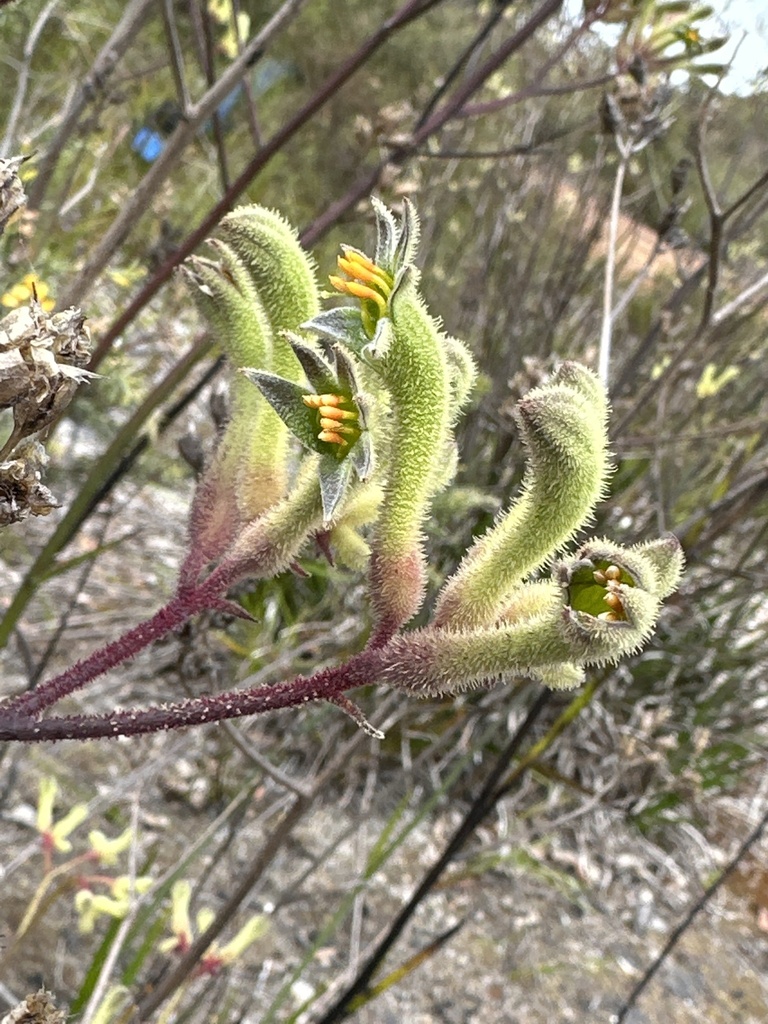
Las patas de canguro son llamativas plantas nativas de Australia, conocidas por sus flores únicas y aterciopeladas que parecen pequeñas patas de animal. Aportan un toque arquitectónico distintivo a cualquier jardín o patio soleado. Te encantará cómo sus vibrantes colores resaltan sobre su follaje lineal, similar a la hierba.

De un vistazo
- Nivel de cuidados
- Media
- Tipo de planta
- Perenne
- Luz
- Pleno sol
- Luz en interior
- Sol directo
- Riego
- Cada 7 a 14 días
- Tamaño adulto
- 3 a 6 pies
- Ritmo de crecimiento
- Medio
- Rusticidad
- USDA 9 a 11
- Floración
- Late spring to mid autumn
Cuidados
Planta estas en un suelo que drene bien para prevenir la pudrición de la raíz, ya que realmente odian tener los pies mojados. Estate atento a la enfermedad de la mancha de tinta negra en las hojas, que a menudo ocurre si el aire está demasiado húmedo o estancado. Prosperan cuando les das mucho espacio y circulación de aire.
- Riego
- Riega profundamente cuando la pulgada superior de la tierra se sienta seca al tacto.
- Abonado
- Usa un fertilizante bajo en fósforo durante la temporada de crecimiento activo.
- Poda
- Poda los viejos tallos de flores y el follaje hasta la base después de que termine la floración.
- Trasplante
- Trasplanta solo cuando la planta esté arraigada en su contenedor actual.
- Suelo
- Suelo arenoso y bien drenado
- pH del suelo
- Ácido a neutro
- Temperatura
- -5 a 35°C
- Humedad
- 20 a 50%
- Tolerancia a la sequía
- Moderada
- Longevidad
- Perennial, typically 5 to 8 years.
- Resistencia a ciervos y conejos
- Moderada
Señales de que necesita trasplante
- Roots growing out of the drainage holes.
- Water sitting on the surface for too long.
- Plant growth slowing significantly.
Seguridad
- Personas
- The plant is generally considered non-toxic, though the fine hairs on the foliage can cause skin irritation.
- Niños
- The stiff, fibrous leaves and fuzzy hairs may cause minor skin irritation if handled by young children.
- Alérgenos por contacto
- The fine, woolly hairs on the leaves and stems can cause mechanical skin irritation or contact dermatitis in sensitive individuals.
- Alérgenos en el aire
- The pollen is generally not considered a major airborne allergen.
- Comestibilidad
- This plant is not intended for consumption and may cause digestive upset.
Cómo identificarla
- Flores tubulares y aterciopeladas
- Grupos de hojas en forma de abanico
- Tallos de flores altos y robustos
- Textura de flor aterciopelada
- Altura
- 1 a 2m
- Anchura
- 0,6 a 1,2m
- Hojas
- green, evergreen
- Flores
- yellow, green, red, orange, 5 a 10cm
- Frutos
- brown, Late autumn
Problemas frecuentes
- Ink spot disease — Black spots appear on leaves due to fungal infection often triggered by high humidity.
- Snails and slugs — These pests feed on the succulent foliage and flower buds.
Cómo cultivarla
- Propagación
- division, seed
- Cuándo plantar
- spring, autumn
- Cuidados en invierno
- Keep the plant dry during winter to prevent crown rot. If temperatures drop below freezing, move containers to a sheltered area.
- En maceta
- It grows well in large pots with a minimum diameter of 40 cm using a free draining potting mix.
Division
- 1. Dig up a mature clump in spring.
- 2. Gently pull the rhizomes apart into smaller sections.
- 3. Ensure each section has healthy roots and foliage.
- 4. Replant immediately in well draining soil.
Group plants with similar low nutrient and high drainage needs to ensure all thrive together.
Buenas compañeras
- Grevillea — They share similar soil and water requirements while providing complementary textures.
- Blue Fescue — The blue foliage provides a nice color contrast to the green leaves of the kangaroo paw.
Especies parecidas
- Anigozanthos manglesii — It is a closely related species with more vibrant, contrasting flower colors.
Ciencia
- Familia
- Haemodoraceae
- Género
- Anigozanthos
- Orden
- Commelinales
- Clase
- Liliopsida
- Distribución natural
- Southwestern Australia
- Conservación
- This species is common and stable in its native range and is not considered threatened.
It grows in sandy, well drained soils and relies on nectar feeding birds for pollination.
- Valor para la fauna
- nectar source
- Polinizadores
- colibríes, abejas
- Usos
- ornamental garden plant, cut flower, container plant
A lo largo del año
Indicadores ecológicos
- Salinidad
- 2/9
- Reacción del suelo
- 5/9
- Luz
- 8/9
- Temperatura
- 7/9
- Humedad
- 3/9
- Nutrientes
- 2/9
Taxonomía cotejada con GBIF.
Lo que más preguntan
- Does it need a lot of water?
- It prefers regular water during the growing season but requires excellent drainage to prevent root rot.
- Should I prune it?
- Yes, cut the flower stalks back to the base after they finish blooming to encourage new growth.
De dónde viene el nombre
The genus name Anigozanthos comes from Greek words meaning elevated flower, while flavidus refers to the yellowish color of the original species.
Bueno saberlo
- The common name kangaroo paw comes from the shape of the flowers which resemble the paws of a kangaroo.
- It is the floral emblem of Western Australia.
- The plant is highly adapted to fire prone environments and often blooms vigorously after a burn.
¿Tu patas de canguro tiene mal aspecto?
Esta página es una guía general. Pocket Botanist diagnostica problemas a partir de una foto de tu propia planta, calcula el riego según tu luz y tus condiciones, y te avisa cuando toca cuidarla.
Esta guía se ha generado con IA y se ha cotejado con la taxonomía de GBIF. Es información general, no asesoramiento botánico ni veterinario. Descubre cómo elaboramos estas guías.