 Pocket Botanist
Pflanzenratgeber
White Spruce.
Picea glauca
Aussprache PY-see-uh GLAW-kuh
Auch bekannt als Alberta white spruce, American white spruce, Black Hills spruce, Canada spruce, Canadian Spruce, Porsild spruce, White Spruce, cat spruce



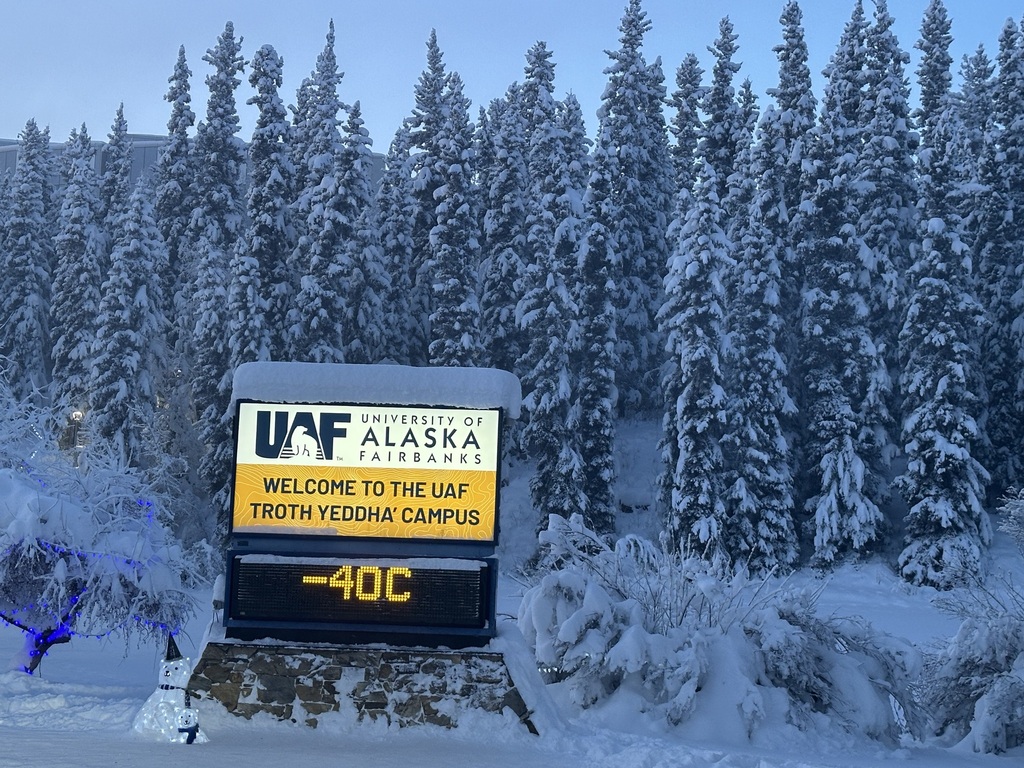
The White Spruce is a hardy evergreen conifer native to northern North America. It is a popular choice for landscapes due to its conical shape and ability to withstand harsh winters. You will find it thrives in cooler climates with plenty of space to grow.
Auf einen Blick
- Pflegestufe
- Einfach
- Pflanzenart
- Coniferous evergreen tree
- Licht
- Full sun
- Licht im Innenraum
- Direkte Sonne
- Gießen
- Alle 7 bis 14 Tage
- Endgröße
- 60 to 100 feet
- Wachstum
- Mittel
- Winterhärte
- USDA 2 bis 6
- Blütezeit
- Late spring
Pflege
Plant this tree in a spot that receives full sun and has well draining soil. Keep an eye out for needle drop or yellowing, which can indicate moisture stress or pests. It is quite self sufficient once established in the landscape.
- Gießen
- Water deeply during dry spells to keep the root zone consistently moist.
- Düngen
- Apply a balanced fertilizer once in early spring before new growth begins.
- Schneiden
- Prune only to remove dead or damaged branches during the dormant winter season.
- Umtopfen
- If kept in a container, move to a larger pot every few years as the root system expands.
- Boden
- Moist, well drained, acidic soil
- Boden-pH
- 5.0 to 7.5
- Temperatur
- -45 bis 30°C
- Luftfeuchtigkeit
- 40 bis 70%
Sicherheit
- Menschen
- This plant is not considered toxic to humans.
- Kinder
- The sharp needles pose a minor poking hazard to small children.
- Kontaktallergene
- Handling the needles may cause minor skin irritation due to their sharp tips.
- Allergene in der Luft
- The pollen can be a mild respiratory irritant for sensitive individuals during the spring.
- Essbarkeit
- The needles are generally safe for tea, but avoid ingestion if you are unsure of the specific cultivar or if it has been treated with chemicals.
So erkennst du die Pflanze
- Conical shape with dense branching
- Short, stiff, blue green needles
- Light brown, papery, cylindrical cones
- Fragrant needles when crushed
- Scaly, grayish brown bark
- Höhe
- 12 bis 24m
- Breite
- 3 bis 6m
- Blätter
- blue-green, green, evergreen
- Blüten
- red, yellow, 1 bis 2cm
- Früchte
- brown, Autumn
Häufige Probleme
- Spruce budworm — Larvae feed on new needles, causing defoliation and stunted growth.
- Needle cast — Fungal infection causing needles to yellow and drop prematurely.
Standort und Pflege
- Vermehrung
- seed, cuttings
- Pflanzzeit
- spring, autumn
Plant in groups to create a natural windbreak that protects smaller shrubs from harsh winter gusts.
Gute Pflanzpartner
- Betula papyrifera — They naturally occur together in northern forests and provide a beautiful color contrast.
- Quaking Aspen — These trees share similar environmental needs and create a classic boreal landscape.
Ähnliche Arten
- Picea mariana — It is a closely related species that prefers wetter, boggy soils.
- Picea pungens — It has a similar conical shape but features more intense blue foliage.
Botanisches
- Familie
- Pinaceae
- Gattung
- Picea
- Ordnung
- Pinales
- Klasse
- Pinopsida
- Ursprüngliche Heimat
- Northern North America, from Alaska to the Atlantic coast.
- Artenschutz
- This species is widespread and not currently of conservation concern.
It thrives in diverse soil types and is a pioneer species that often colonizes burnt or disturbed forest areas.
- Nutzen für Wildtiere
- nesting site, winter shelter, seed source
- Bestäuber
- Bienen
- Verwendung
- ornamental specimen, windbreak, timber, reforestation
Im Jahresverlauf
Ökologische Zeigerwerte
- Salzgehalt
- 3/9
- Bodenreaktion
- 5/9
- Licht
- 7/9
- Temperatur
- 2/9
- Feuchtigkeit
- 5/9
- Nährstoffe
- 4/9
Taxonomie abgeglichen mit GBIF.
Häufige Fragen
- How fast does it grow?
- It is a slow to moderate grower, typically adding 30 to 60 centimeters per year.
- Does it need pruning?
- Little pruning is required, but you can remove dead or damaged branches in late winter.
Woher der Name kommt
The name Picea is derived from the Latin word for pitch, while glauca refers to the blue-green, glaucous color of the needles.
Gut zu wissen
- It is often called the skunk spruce because crushed needles emit a pungent odor.
- White spruce can live for over 200 years in ideal conditions.
- It is highly tolerant of cold climates and poor soil conditions.
Probleme mit White Spruce?
Diese Seite bietet allgemeine Infos. Pocket Botanist erkennt Probleme anhand eines Fotos deiner echten Pflanze, passt das Gießen an dein Licht und deinen Standort an und erinnert dich an die Pflege.
Dieser Ratgeber wurde mit KI erstellt und mit der GBIF-Taxonomie abgeglichen. Er dient zur allgemeinen Information und ersetzt keine gärtnerische oder tierärztliche Beratung. Hier erfährst du, wie wir diese Ratgeber erstellen.