 Pocket Botanist
Guía de plantas
White Spruce.
Picea glauca
Pronunciación PY-see-uh GLAW-kuh
También se conoce como Alberta white spruce, American white spruce, Black Hills spruce, Canada spruce, Canadian Spruce, Porsild spruce, White Spruce, cat spruce



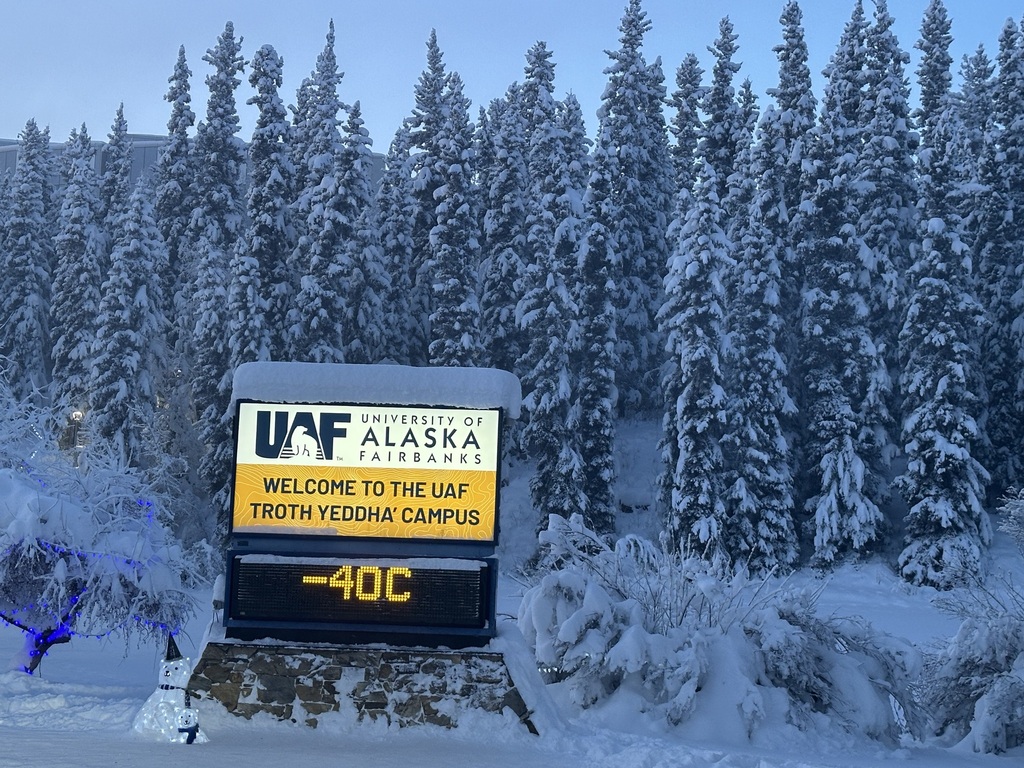
The White Spruce is a hardy evergreen conifer native to northern North America. It is a popular choice for landscapes due to its conical shape and ability to withstand harsh winters. You will find it thrives in cooler climates with plenty of space to grow.
De un vistazo
- Nivel de cuidados
- Fácil
- Tipo de planta
- Coniferous evergreen tree
- Luz
- Full sun
- Luz en interior
- Sol directo
- Riego
- Cada 7 a 14 días
- Tamaño adulto
- 60 to 100 feet
- Ritmo de crecimiento
- Medio
- Rusticidad
- USDA 2 a 6
- Floración
- Late spring
Cuidados
Plant this tree in a spot that receives full sun and has well draining soil. Keep an eye out for needle drop or yellowing, which can indicate moisture stress or pests. It is quite self sufficient once established in the landscape.
- Riego
- Water deeply during dry spells to keep the root zone consistently moist.
- Abonado
- Apply a balanced fertilizer once in early spring before new growth begins.
- Poda
- Prune only to remove dead or damaged branches during the dormant winter season.
- Trasplante
- If kept in a container, move to a larger pot every few years as the root system expands.
- Suelo
- Moist, well drained, acidic soil
- pH del suelo
- 5.0 to 7.5
- Temperatura
- -45 a 30°C
- Humedad
- 40 a 70%
Seguridad
- Personas
- This plant is not considered toxic to humans.
- Niños
- The sharp needles pose a minor poking hazard to small children.
- Alérgenos por contacto
- Handling the needles may cause minor skin irritation due to their sharp tips.
- Alérgenos en el aire
- The pollen can be a mild respiratory irritant for sensitive individuals during the spring.
- Comestibilidad
- The needles are generally safe for tea, but avoid ingestion if you are unsure of the specific cultivar or if it has been treated with chemicals.
Cómo identificarla
- Conical shape with dense branching
- Short, stiff, blue green needles
- Light brown, papery, cylindrical cones
- Fragrant needles when crushed
- Scaly, grayish brown bark
- Altura
- 12 a 24m
- Anchura
- 3 a 6m
- Hojas
- blue-green, green, evergreen
- Flores
- red, yellow, 1 a 2cm
- Frutos
- brown, Autumn
Problemas frecuentes
- Spruce budworm — Larvae feed on new needles, causing defoliation and stunted growth.
- Needle cast — Fungal infection causing needles to yellow and drop prematurely.
Cómo cultivarla
- Propagación
- seed, cuttings
- Cuándo plantar
- spring, autumn
Plant in groups to create a natural windbreak that protects smaller shrubs from harsh winter gusts.
Buenas compañeras
- Betula papyrifera — They naturally occur together in northern forests and provide a beautiful color contrast.
- Quaking Aspen — These trees share similar environmental needs and create a classic boreal landscape.
Especies parecidas
- Picea mariana — It is a closely related species that prefers wetter, boggy soils.
- Picea pungens — It has a similar conical shape but features more intense blue foliage.
Ciencia
- Familia
- Pinaceae
- Género
- Picea
- Orden
- Pinales
- Clase
- Pinopsida
- Distribución natural
- Northern North America, from Alaska to the Atlantic coast.
- Conservación
- This species is widespread and not currently of conservation concern.
It thrives in diverse soil types and is a pioneer species that often colonizes burnt or disturbed forest areas.
- Valor para la fauna
- nesting site, winter shelter, seed source
- Polinizadores
- abejas
- Usos
- ornamental specimen, windbreak, timber, reforestation
A lo largo del año
Indicadores ecológicos
- Salinidad
- 3/9
- Reacción del suelo
- 5/9
- Luz
- 7/9
- Temperatura
- 2/9
- Humedad
- 5/9
- Nutrientes
- 4/9
Taxonomía cotejada con GBIF.
Lo que más preguntan
- How fast does it grow?
- It is a slow to moderate grower, typically adding 30 to 60 centimeters per year.
- Does it need pruning?
- Little pruning is required, but you can remove dead or damaged branches in late winter.
De dónde viene el nombre
The name Picea is derived from the Latin word for pitch, while glauca refers to the blue-green, glaucous color of the needles.
Bueno saberlo
- It is often called the skunk spruce because crushed needles emit a pungent odor.
- White spruce can live for over 200 years in ideal conditions.
- It is highly tolerant of cold climates and poor soil conditions.
¿Tu white spruce tiene mal aspecto?
Esta página es una guía general. Pocket Botanist diagnostica problemas a partir de una foto de tu propia planta, calcula el riego según tu luz y tus condiciones, y te avisa cuando toca cuidarla.
Esta guía se ha generado con IA y se ha cotejado con la taxonomía de GBIF. Es información general, no asesoramiento botánico ni veterinario. Descubre cómo elaboramos estas guías.