 Pocket Botanist
Guide botanique
Snake Plant.
Sansevieria trifasciata
Prononciation drah-SEE-nah try-fash-ee-AH-tah
Aussi appelée African bowstring-hemp, Viper's bowstring hemp, konje-hemp, mother-in-law's-tongue, snakeplant
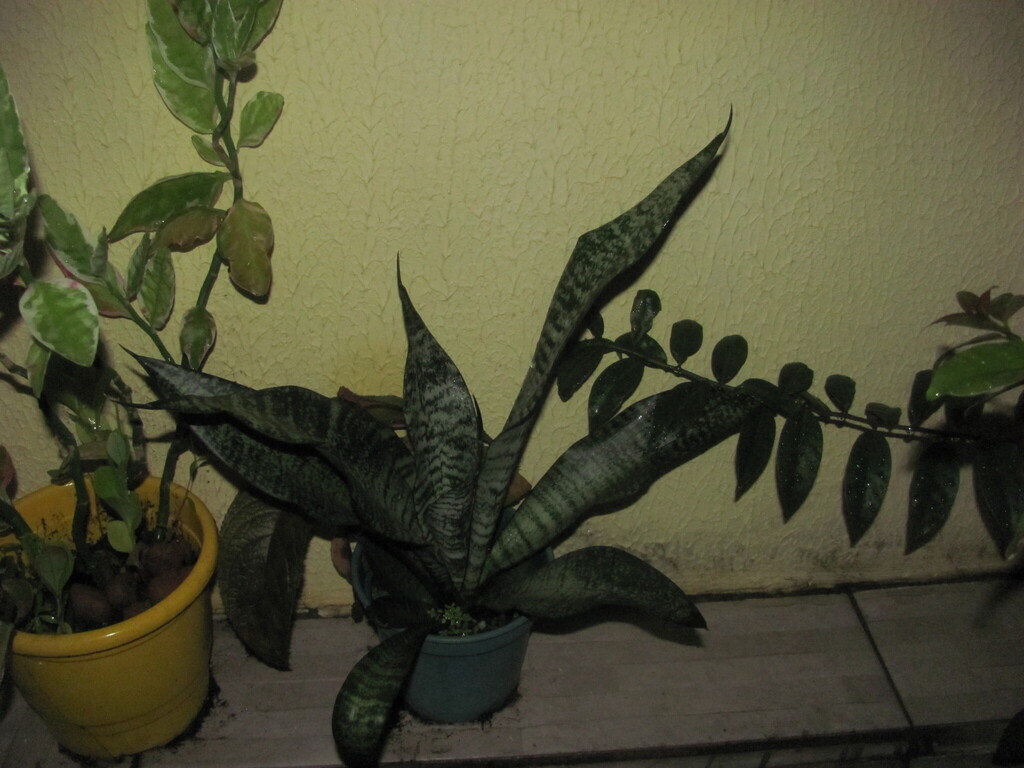
The snake plant is a hardy, architectural houseplant known for its stiff, sword like leaves. It is incredibly resilient and thrives in a wide range of indoor conditions. This plant is a perfect choice for beginners or anyone looking for a low maintenance green companion.
En un coup d'œil
- Care level
- Easy
- Plant type
- Succulent
- Light
- Low light to bright indirect light.
- Indoor light
- low
- Water
- Every 14 to 30 days
- Mature size
- Up to 120 cm tall.
- Growth rate
- slow
- Hardiness
- USDA 9 to 11
- Bloom time
- Rarely blooms indoors, occasionally in late spring.
Entretien
Allow the soil to dry out completely between waterings to prevent root rot. Keep an eye out for mushy leaves at the base, which indicate overwatering. Wipe the leaves occasionally with a damp cloth to keep them free of dust.
- Watering
- Water only when the soil is completely dry throughout the pot.
- Feeding
- Apply a balanced liquid fertilizer during the active growing season.
- Pruning
- Remove damaged or dead leaves at the soil line as needed.
- Repotting
- Repot only when the plant becomes root bound or the pot begins to bulge.
- Soil
- Well draining succulent or cactus mix.
- Soil pH
- Slightly acidic to neutral, 5.5 to 7.5.
- Temperature
- 10 to 30°C
- Humidity
- 20 to 50%
- Drought tolerance
- high
- Lifespan
- Perennial, can live for decades with proper care.
- Deer and rabbits
- high
Signes qu'il faut rempoter
- Roots growing out of the drainage hole.
- The pot begins to crack or bulge.
- The plant stops growing entirely.
Sécurité
- People
- The leaves contain saponins that can cause mouth irritation, nausea, and vomiting if eaten.
- Pets
- This plant is toxic to cats and dogs if ingested.
- Children
- Keep this plant out of reach of small children as the leaves are a choking hazard and toxic if chewed.
- Contact allergens
- Handling the leaves may cause mild skin irritation in sensitive individuals.
- Airborne allergens
- There are no notable airborne allergens associated with this plant.
- Edibility
- This plant is not for consumption and can cause significant digestive distress if ingested.
Comment l'identifier
- Stiff, upright, sword shaped leaves
- Horizontal gray green banding patterns
- Thick, succulent, waxy leaf texture
- Leaves grow directly from soil
- Height
- 0.3 to 1.2m
- Spread
- 0.15 to 0.6m
- Leaves
- dark green, light green, silver, evergreen
- Flowers
- white, pale green, 1 to 2cm
Problèmes courants
- Root rot — Overwatering causes the roots to decay and the leaves to turn mushy.
- Mealybugs — These small white insects hide in leaf crevices and suck plant sap.
La cultiver
- Propagation
- division, leaf cuttings
- When to plant
- spring, summer
- Overwintering
- Keep the plant in a warm spot and reduce watering significantly during the winter months.
- In containers
- It thrives in containers and prefers a snug fit, so do not use a pot that is too large.
Leaf Cuttings
- Cut a healthy leaf into 3 inch sections.
- Let the cut ends callous over for two days.
- Insert the calloused end into well draining soil.
- Keep the soil barely moist until roots form.
Group plants with similar water needs together to avoid accidental overwatering of your snake plant.
Bonnes associations
À éloigner de
- Peace Lily — Peace lilies require much more moisture than snake plants.
Espèces similaires
- Cylindrical Snake Plant — It has similar care needs but features round, spear like leaves.
Science
- Family
- Asparagaceae
- Genus
- Dracaena
- Order
- Asparagales
- Class
- Liliopsida
- Native range
- Tropical West Africa from Nigeria east to the Congo.
- Conservation
- This species is not currently listed as threatened or endangered in its native habitat.
It grows in dry, rocky soils where it stores water in its thick, succulent leaves to survive long periods of drought.
- Uses
- indoor air purification, low light ornamental, minimalist decor
Au fil des saisons
Repères écologiques
- Salinity
- 1/9
- Soil reaction
- 6/9
- Light
- 2/9
- Temperature
- 7/9
- Moisture
- 2/9
- Nutrients
- 2/9
Taxonomie vérifiée avec le GBIF.
Ce qu'on demande souvent
- How often should I water it?
- Only water when the soil is completely dry, usually every 3 to 4 weeks.
- Can it grow in total darkness?
- No, it needs at least some indirect light to survive, though it tolerates low light well.
D'où vient le nom
The genus was named after the Italian scientist Pietro Antonio Sanseverino, while trifasciata refers to the three bands of color on the leaves.
Bon à savoir
- It is commonly called snake plant because of the leaf shape and pattern.
- It is nearly indestructible and thrives on neglect.
- The plant is a member of the asparagus family.
- It was formerly classified as Sansevieria but is now Dracaena trifasciata.
Ton snake plant a mauvaise mine ?
Cette page est un guide général. Pocket Botanist diagnostique les problèmes directement à partir d'une photo de ta plante, adapte l'arrosage à sa luminosité et te prévient quand il faut t'en occuper.
Ce guide a été généré par IA et vérifié avec la taxonomie du GBIF. Il s'agit d'informations générales, et non de conseils horticoles ou vétérinaires. Découvre comment nous concevons ces guides.