 Pocket Botanist
Guide botanique
Saule.
Salix
Prononciation SAY-liks
Aussi appelée Osier



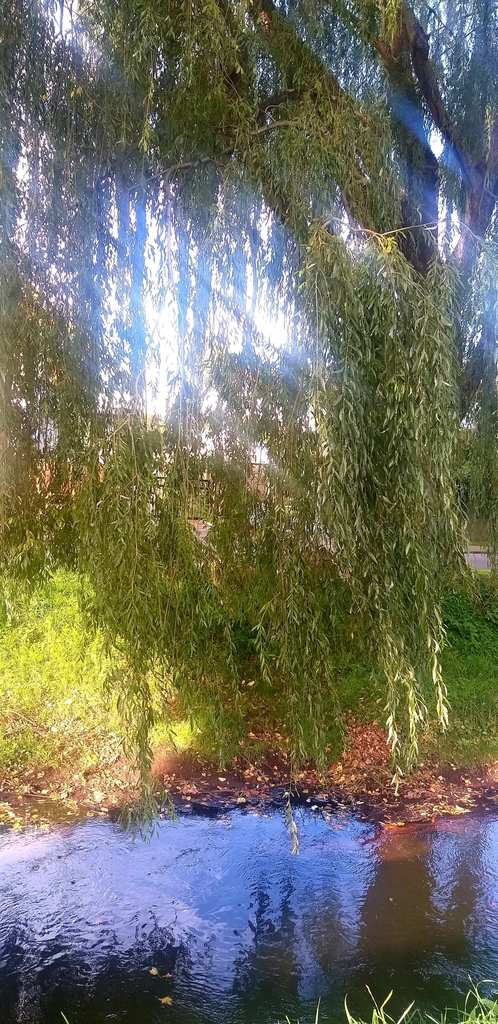
Les saules sont des arbres et arbustes gracieux qui aiment l'humidité, connus pour leurs branches élégantes et leurs feuilles élancées. Ils prospèrent près des sources d'eau et ajoutent une texture douce et élégante à tout paysage. Ces plantes poussent rapidement et apprécient beaucoup d'espace pour étendre leurs racines.
En un coup d'œil
- Niveau d'entretien
- Facile
- Type de plante
- Arbre ou arbuste feuillu
- Lumière
- Plein soleil à mi-ombre
- Lumière en intérieur
- Lumière vive indirecte
- Arrosage
- Tous les 2 à 5 jours
- Taille adulte
- 10 à 25 mètres
- Croissance
- Rapide
- Rusticité
- USDA 2 à 9
- Floraison
- Début à mi-printemps
Entretien
Gardez le sol constamment humide, car ces plantes souffrent rapidement si elles se dessèchent complètement. Surveillez les parasites comme les pucerons ou les cochenilles qui apprécient le feuillage luxuriant. Taillez pendant la saison de dormance pour maintenir la forme et enlever le bois mort.
- Arrosage
- Gardez le sol constamment humide, ne le laissez jamais se dessécher.
- Engrais
- Appliquez un engrais équilibré une fois au début du printemps.
- Taille
- Taillez à la fin de l'hiver pendant que l'arbre est en dormance.
- Rempotage
- Rempotez uniquement si la plante est en pot et a les racines à l'étroit.
- Sol
- Sol limoneux, argileux ou vaseux
- pH du sol
- Acide à neutre
- Température
- -35 à 30°C
- Humidité
- 60 à 90%
- Résistance à la sécheresse
- Faible
- Durée de vie
- Vivace, généralement 30 à 50 ans.
- Résistance aux chevreuils et lapins
- Faible
Signes qu'il faut rempoter
- Les racines sortent des trous de drainage.
- La plante se dessèche très rapidement entre les arrosages.
- Croissance ralentie pendant la saison active.
Sécurité
- Humains
- L'écorce et les feuilles sont généralement considérées comme sûres avec modération, mais peuvent causer des maux d'estomac si elles sont ingérées en grandes quantités.
- Animaux
- Les saules contiennent de la salicine, qui peut être toxique pour les chats et les chiens en cas d'ingestion.
- Enfants
- Les longues branches flexibles peuvent constituer un risque de trébuchement ou de blessure aux yeux pendant le jeu.
- Allergènes de contact
- La sève peut provoquer une légère irritation cutanée chez les personnes sensibles.
- Allergènes aéroportés
- Le pollen de saule est un allergène saisonnier courant qui peut déclencher le rhume des foins.
- Comestibilité
- L'écorce de saule contient de la salicine, qui peut provoquer des réactions chez les personnes sensibles à l'aspirine.
Comment l'identifier
- Feuilles élancées en forme de lance
- Branches flexibles et retombantes
- Fleurs en chatons au printemps
- Pousse dans un sol humide
- Souvent trouvé près de l'eau
- Hauteur
- 1,5 à 20m
- Envergure
- 1 à 15m
- Feuilles
- vert, argenté, vert-bleu, caduc
- Fleurs
- jaune, vert, blanc, 1 à 5cm
- Fruits
- brun, blanc, Fin du printemps
Problèmes à surveiller
- PuceronsCourant
- Tavelure du sauleCourant
- ChancrePeu courant
- CochenillesPeu courant
- Pourriture des racinesPeu courant
- RouillePeu courant
- Taches goudronneuses de l'érablePeu courant
- Brûlures du feuillageRare
- Chancre du saule — Une infection fongique qui provoque des taches noires sur les feuilles et le dépérissement des rameaux.
Par symptôme
Vérifie la santé de ta plante en photo
Pocket Botanist analyse une photo de ta plante et te dit ce qui ne va pas et quoi essayer en premier.
La cultiver
- Multiplication
- boutures, semis
- Quand planter
- début du printemps, fin de l'automne
- Hivernage
- Les saules sont généralement rustiques et ne nécessitent pas de protection hivernale spéciale. Taillez simplement les branches mortes ou endommagées à la fin de l'hiver.
- En pot
- Les saules ne prospèrent généralement pas en conteneur en raison de leurs systèmes racinaires massifs et de leurs besoins élevés en eau.
Boutures de bois dur
- 1. Prélevez une bouture d'une branche saine à la fin de l'hiver.
- 2. Placez la bouture directement dans un sol humide ou un récipient d'eau.
- 3. Gardez la bouture constamment humide jusqu'à ce que les racines se développent.
Plantez les saules dans des zones mal drainées où d'autres plantes ont du mal à survivre.
Bonnes associations
- Red Osier Dogwood — Ils apprécient les sols humides et sont magnifiques ensemble en hiver.
- Carex — Ces graminées prospèrent dans les mêmes conditions humides que le saule.
Espèces similaires
- Peuplier — Ils sont apparentés et partagent une préférence pour les espaces humides et ouverts.
Science
- Famille
- Salicaceae
- Genre
- Salix
- Ordre
- Malpighiales
- Classe
- Magnoliopsida
- Région d'origine
- Régions tempérées et froides de l'hémisphère Nord.
- Préservation
- La plupart des espèces de saules communes ne sont pas menacées, bien que certaines rares variétés alpines soient protégées.
Les saules sont des espèces pionnières qui stabilisent les berges des rivières et offrent un abri essentiel à la faune aquatique.
- Intérêt pour la faune
- source de nectar précoce, plante hôte pour les larves
- Pollinisateurs
- abeilles, papillons, coléoptères
- Utilisations
- aménagement paysager ornemental, vannerie, contrôle de l'érosion, médecine naturelle
Au fil des saisons
Repères écologiques
- Lumière
- 7/9
- Température
- 4/9
- Salinité
- 2/9
- Réaction du sol
- 5/9
- Humidité
- 8/9
- Nutriments
- 5/9
Taxonomie vérifiée avec le GBIF.
Ce qu'on demande souvent
- Les saules ont-ils besoin de beaucoup d'eau?
- Oui, ils prospèrent dans des sols humides à gorgés d'eau.
- Puis-je planter un saule près de ma maison?
- Non, leurs systèmes racinaires agressifs peuvent endommager les canalisations et les fondations.
D'où vient le nom
Le nom du genre Salix est le nom latin classique du saule. Le nom commun willow vient du vieux mot anglais 'welig'.
Bon à savoir
- Les saules sont célèbres pour leur capacité à pousser dans des sols très humides.
- Le bois est léger et flexible, ce qui en fait un matériau parfait pour les battes de cricket.
- Certaines espèces peuvent s'enraciner à partir d'un simple bâton planté dans un sol humide.
Aussi dans
Garde ta plante en pleine forme
Cette page est un guide général. Enregistre ta plante dans Pocket Botanist et tu reçois des rappels d'entretien adaptés à cette plante, ainsi qu'un historique d'entretien qui montre ce qui a marché.
Ce guide a été généré par IA et vérifié avec la taxonomie du GBIF. Il s'agit d'informations générales, et non de conseils horticoles ou vétérinaires. Découvre comment nous concevons ces guides.