 Pocket Botanist
Guía de plantas
Sauce.
Salix
Pronunciación SAY-liks
También se conoce como Sallow



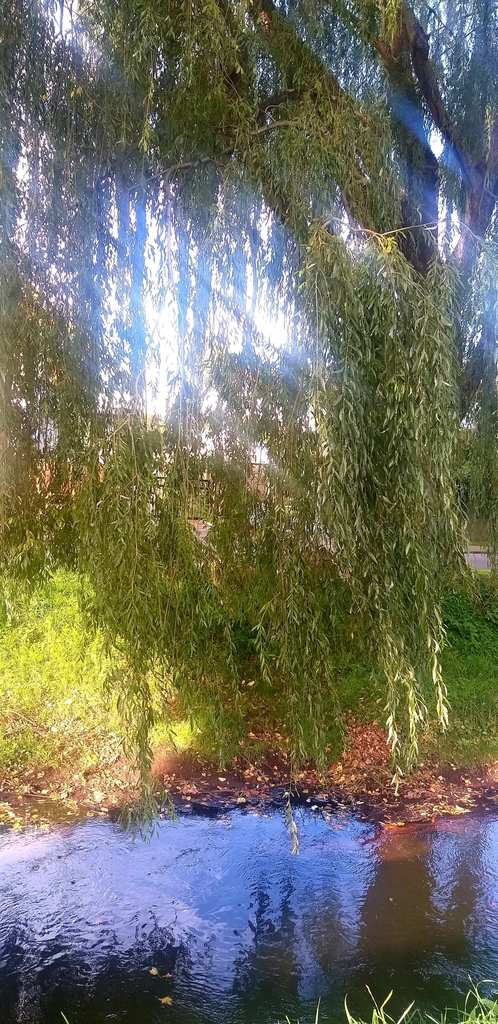
Los sauces son árboles y arbustos elegantes que aman la humedad, conocidos por sus ramas arqueadas y hojas esbeltas. Prosperan cerca de fuentes de agua y añaden una textura suave y elegante a cualquier paisaje. Estas plantas crecen rápido y aprecian mucho espacio para extender sus raíces.
De un vistazo
- Nivel de cuidados
- Fácil
- Tipo de planta
- Árbol o arbusto de hoja caduca
- Luz
- Pleno sol a sombra parcial
- Luz en interior
- Luz indirecta brillante
- Riego
- Cada 2 a 5 días
- Tamaño adulto
- 10 a 25 metros
- Ritmo de crecimiento
- Rápido
- Rusticidad
- USDA 2 a 9
- Floración
- Principios a mediados de primavera
Cuidados
Mantén la tierra constantemente húmeda, ya que estas plantas sufren rápidamente si se secan por completo. Vigila plagas como pulgones o cochinillas que disfrutan del exuberante follaje. Poda durante la temporada de inactividad para mantener la forma y eliminar la madera muerta.
- Riego
- Mantén la tierra constantemente húmeda, sin permitir que se seque.
- Abonado
- Aplica un fertilizante equilibrado una vez a principios de primavera.
- Poda
- Poda a finales de invierno mientras el árbol está inactivo.
- Trasplante
- Trasplanta solo si la planta está en maceta y con las raíces apretadas.
- Suelo
- Tierra franca, arcillosa o limosa
- pH del suelo
- Ácido a neutro
- Temperatura
- -35 a 30°C
- Humedad
- 60 a 90%
- Tolerancia a la sequía
- Baja
- Longevidad
- Perenne, típicamente de 30 a 50 años.
- Resistencia a ciervos y conejos
- Baja
Señales de que necesita trasplante
- Raíces saliendo de los agujeros de drenaje.
- La planta se seca muy rápidamente entre riegos.
- Crecimiento atrofiado durante la temporada activa.
Seguridad
- Personas
- La corteza y las hojas generalmente se consideran seguras con moderación, pero pueden causar malestar estomacal si se ingieren en grandes cantidades.
- Mascotas
- Los sauces contienen salicina, que puede ser tóxica para gatos y perros si se ingiere.
- Niños
- Las ramas largas y flexibles pueden ser un peligro de tropiezo o presentar riesgo de lesiones oculares durante el juego.
- Alérgenos por contacto
- La savia puede causar irritación leve de la piel en personas sensibles.
- Alérgenos en el aire
- El polen de sauce es un alérgeno estacional común que puede desencadenar fiebre del heno.
- Comestibilidad
- La corteza de sauce contiene salicilina, que puede causar reacciones en personas sensibles a la aspirina.
Cómo identificarla
- Hojas esbeltas en forma de lanza
- Ramas flexibles y caídas
- Flores de amento en primavera
- Prospera en tierra húmeda
- A menudo se encuentra cerca del agua
- Altura
- 1,5 a 20m
- Anchura
- 1 a 15m
- Hojas
- verde, plateado, verde azulado, caducifolio
- Flores
- amarillo, verde, blanco, 1 a 5cm
- Frutos
- marrón, blanco, Finales de primavera
Problemas a vigilar
- Moteado del sauceComún
- PulgonesComún
- ChancroPoco común
- CochinillasPoco común
- Mancha de alquitrán del arcePoco común
- Podredumbre radicularPoco común
- RoyaPoco común
- Quemadura foliarRara
- Roya del sauce — Una infección fúngica que causa manchas negras en las hojas y la muerte de las ramas.
Por síntoma
Revisa tu sauce con una foto
Pocket Botanist mira una foto de tu planta y te dice qué le pasa y qué probar primero.
Cómo cultivarla
- Propagación
- esquejes, semilla
- Cuándo plantar
- principios de primavera, finales de otoño
- Cuidados en invierno
- Los sauces son generalmente resistentes al frío y no requieren protección especial para el invierno. Simplemente poda las ramas muertas o dañadas a finales de invierno.
- En maceta
- Los sauces generalmente no prosperan en macetas debido a sus enormes sistemas de raíces y sus altas necesidades de agua.
Esquejes de leña dura
- 1. Toma un esqueje de una rama sana a finales de invierno.
- 2. Coloca el esqueje directamente en tierra húmeda o en un recipiente con agua.
- 3. Mantén el esqueje constantemente húmedo hasta que se desarrollen las raíces.
Planta sauces en áreas con mal drenaje donde otras plantas luchan por sobrevivir.
Buenas compañeras
- Cornejo de hoja roja — Comparten el gusto por la tierra húmeda y lucen preciosos juntos en invierno.
- Carex — Estas gramíneas prosperan en las mismas condiciones húmedas que el sauce.
Especies parecidas
- Álamo — Están relacionados y comparten una preferencia por espacios húmedos y abiertos.
Ciencia
- Familia
- Salicaceae
- Género
- Salix
- Orden
- Malpighiales
- Clase
- Magnoliopsida
- Distribución natural
- Regiones templadas y frías del hemisferio norte.
- Conservación
- La mayoría de las especies comunes de sauces no están amenazadas, aunque algunas variedades alpinas raras están protegidas.
Los sauces son especies pioneras que estabilizan las riberas de los ríos y proporcionan refugio esencial para la vida silvestre acuática.
- Valor para la fauna
- fuente temprana de néctar, planta hospedadora de larvas
- Polinizadores
- abejas, mariposas, escarabajos
- Usos
- paisajismo ornamental, cestería, control de la erosión, medicina natural
A lo largo del año
Indicadores ecológicos
- Luz
- 7/9
- Temperatura
- 4/9
- Salinidad
- 2/9
- Reacción del suelo
- 5/9
- Humedad
- 8/9
- Nutrientes
- 5/9
Taxonomía cotejada con GBIF.
Lo que más preguntan
- Los sauces necesitan mucha agua?
- Sí, prosperan en condiciones de suelo húmedo a mojado.
- Puedo plantar un sauce cerca de mi casa?
- No, sus agresivos sistemas de raíces pueden dañar tuberías y cimientos.
De dónde viene el nombre
El nombre del género Salix es el nombre latino clásico para el árbol de sauce. El nombre común 'willow' proviene de la palabra del inglés antiguo 'welig'.
Bueno saberlo
- Los sauces son famosos por su capacidad de crecer en suelos muy húmedos.
- La madera es ligera y flexible, lo que la hace perfecta para bates de cricket.
- Algunas especies pueden enraizar a partir de una simple rama metida en tierra húmeda.
También en
Que tu sauce siga creciendo
Esta página es una guía general. Guarda tu planta en Pocket Botanist y tendrás recordatorios de cuidado pensados para esta planta, además de un historial de cuidados que muestra qué ha funcionado.
Esta guía se ha generado con IA y se ha cotejado con la taxonomía de GBIF. Es información general, no asesoramiento botánico ni veterinario. Descubre cómo elaboramos estas guías.