 Pocket Botanist
Guide botanique
Peach Rose.
Rosa spp.
Prononciation ROH-zah
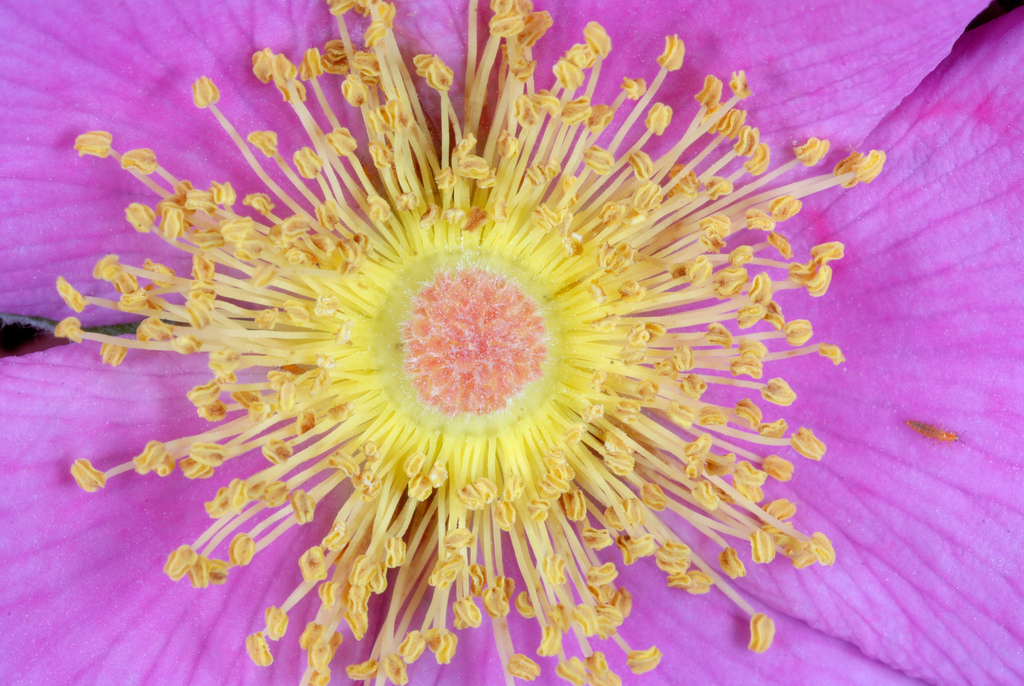
Peach roses, cherished for their soft, warm hues, bring a touch of romantic elegance to any garden. These classic shrubs offer a delightful fragrance and a wealth of blooms throughout the growing season, making them a favorite for many gardeners.
En un coup d'œil
- Care level
- Moderate
- Plant type
- Shrub
- Light
- Full sun (at least 6 hours per day)
- Indoor light
- direct
- Mature size
- Varies by cultivar, typically 3-10 feet tall and wide
- Growth rate
- medium
Entretien
Plant in well-draining soil in a sunny location, and water regularly. Prune in late winter or early spring to encourage new growth and flowering, and deadhead spent blooms to promote more flowers.
- Soil
- Rich, well-draining loam
- Soil pH
- Slightly acidic to neutral (6.0-7.0)
Sécurité
- People
- Non-toxic, though thorns can cause injury.
- Pets
- Non-toxic, though thorns can cause injury.
- Edibility
- Rose hips are edible and high in vitamin C, but always confirm identification before consuming.
Comment l'identifier
- Blush pink to apricot petals
- Often double or semi-double blooms
- Thorny stems
- Compound, serrated leaves
- Shrubby or climbing growth habit
- Sweet, classic rose fragrance
Bonnes associations
- Lavender — Lavender's fragrance can help deter some rose pests, and both appreciate full sun and similar soil conditions.
- Salvia — Salvia attracts pollinators and can complement the rose's bloom period, while also tolerating similar growing conditions.
- Catmint — Catmint is a pollinator magnet and its mounding habit can help suppress weeds around the base of the rose.
À éloigner de
- Aphids — Aphids are common pests that feed on rose sap, weakening the plant and potentially spreading disease.
- Black Spot — Black spot is a fungal disease that can defoliate roses, especially in humid conditions.
- Powdery Mildew — Powdery mildew is another common fungal disease that affects roses, particularly in conditions with poor air circulation.
Espèces similaires
- Apricot Rose — Often has very similar petal colors and bloom forms, differing primarily in specific shade and fragrance intensity.
- Pink Rose — Shares the general color family but may lack the specific peachy undertones of a peach rose.
- Floribunda Rose — Many floribundas come in peach shades and offer abundant blooms, though they may differ in growth habit.
Bon à savoir
- The peach rose is often associated with gratitude, admiration, and sympathy.
Ton peach rose a mauvaise mine ?
Cette page est un guide général. Pocket Botanist diagnostique les problèmes directement à partir d'une photo de ta plante, adapte l'arrosage à sa luminosité et te prévient quand il faut t'en occuper.
Ce guide a été généré par IA et vérifié avec la taxonomie du GBIF. Il s'agit d'informations générales, et non de conseils horticoles ou vétérinaires. Découvre comment nous concevons ces guides.