 Pocket Botanist
Plant guide
Peach Rose.
Rosa spp.
Pronounced ROH-zah
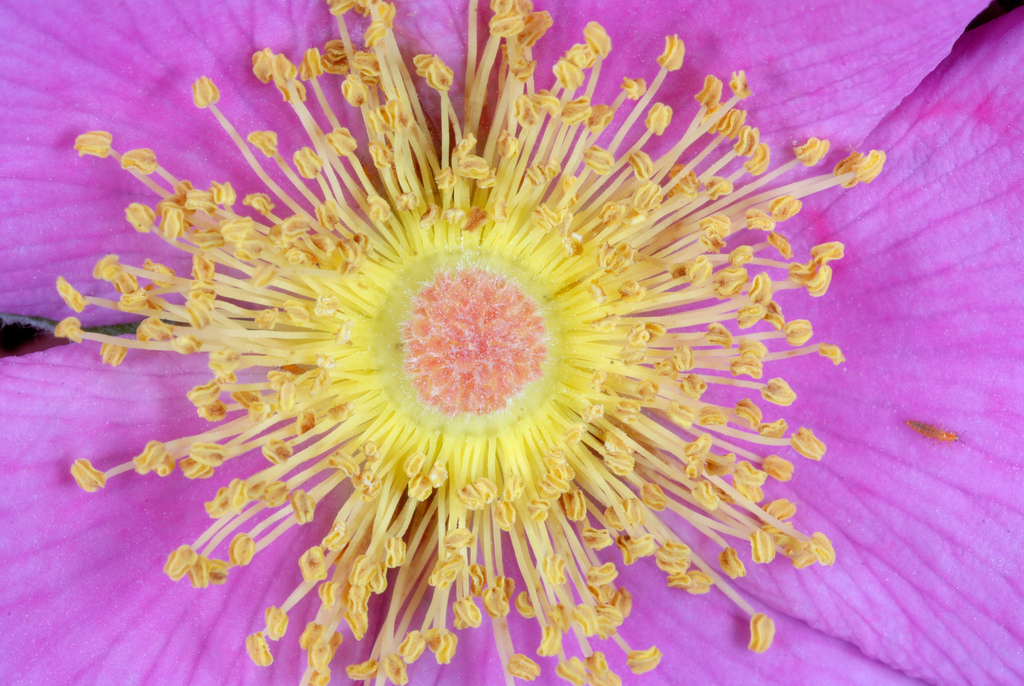
Peach roses, cherished for their soft, warm hues, bring a touch of romantic elegance to any garden. These classic shrubs offer a delightful fragrance and a wealth of blooms throughout the growing season, making them a favorite for many gardeners.
At a glance
- Care level
- Moderate
- Plant type
- Shrub
- Light
- Full sun (at least 6 hours per day)
- Indoor light
- direct
- Mature size
- Varies by cultivar, typically 3-10 feet tall and wide
- Growth rate
- medium
Care
Plant in well-draining soil in a sunny location, and water regularly. Prune in late winter or early spring to encourage new growth and flowering, and deadhead spent blooms to promote more flowers.
- Soil
- Rich, well-draining loam
- Soil pH
- Slightly acidic to neutral (6.0-7.0)
Safety
- People
- Non-toxic, though thorns can cause injury.
- Pets
- Non-toxic, though thorns can cause injury.
- Edibility
- Rose hips are edible and high in vitamin C, but always confirm identification before consuming.
How to identify it
- Blush pink to apricot petals
- Often double or semi-double blooms
- Thorny stems
- Compound, serrated leaves
- Shrubby or climbing growth habit
- Sweet, classic rose fragrance
Grows well with
- Lavender — Lavender's fragrance can help deter some rose pests, and both appreciate full sun and similar soil conditions.
- Salvia — Salvia attracts pollinators and can complement the rose's bloom period, while also tolerating similar growing conditions.
- Catmint — Catmint is a pollinator magnet and its mounding habit can help suppress weeds around the base of the rose.
Keep away from
- Aphids — Aphids are common pests that feed on rose sap, weakening the plant and potentially spreading disease.
- Black Spot — Black spot is a fungal disease that can defoliate roses, especially in humid conditions.
- Powdery Mildew — Powdery mildew is another common fungal disease that affects roses, particularly in conditions with poor air circulation.
Similar species
- Apricot Rose — Often has very similar petal colors and bloom forms, differing primarily in specific shade and fragrance intensity.
- Pink Rose — Shares the general color family but may lack the specific peachy undertones of a peach rose.
- Floribunda Rose — Many floribundas come in peach shades and offer abundant blooms, though they may differ in growth habit.
Good to know
- The peach rose is often associated with gratitude, admiration, and sympathy.
Is your peach rose looking unwell?
This page is a general guide. Pocket Botanist diagnoses problems from a photo of your actual plant, works out watering for your light and conditions, and reminds you when care is due.
This guide was generated with AI and checked against GBIF taxonomy. It is general information, not horticultural or veterinary advice. Read about how we build these guides.