 Pocket Botanist
Guide botanique
Ketmie des jardins.
Hibiscus syriacus
Prononciation hi-BIS-kus sir-ee-AY-kus
Aussi appelée Althea, Hibiscus de Corée, Mugunghwa, Rose Of Sharon, Rose of Sharon (USA), Rose-of-Sharon, Althéa arbustive, Althéa arbustive



Le Ketmie des jardins est un arbuste rustique et caduc qui apporte de la couleur au jardin en fin d'été. Il est connu pour sa forme en vase et ses fleurs spectaculaires en trompette. Cette plante est assez adaptable et prospère dans de nombreux environnements de jardin.
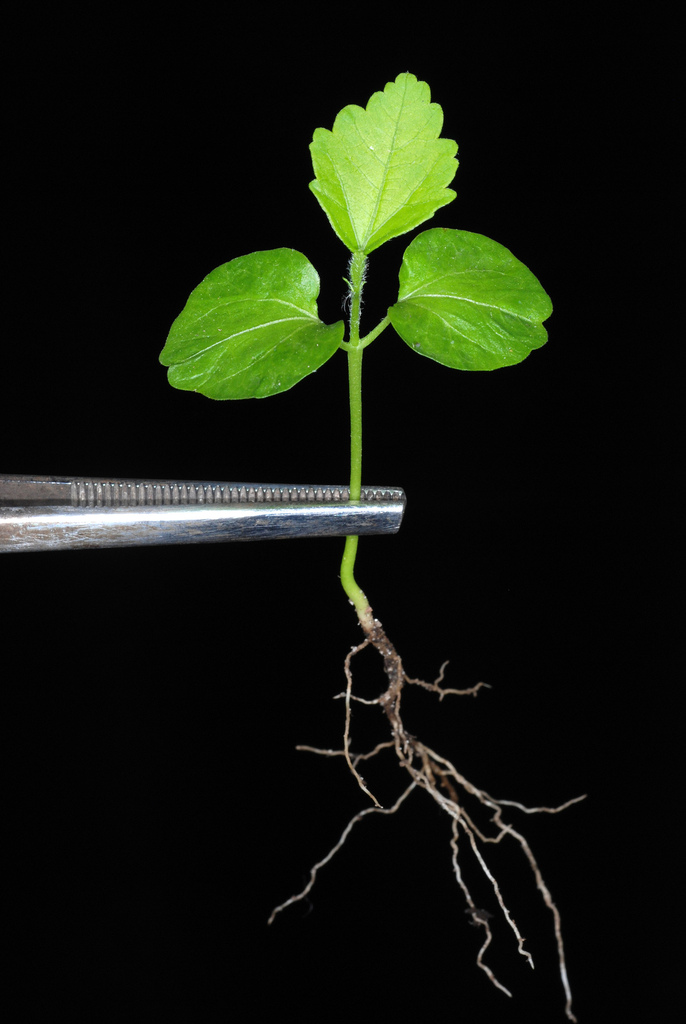
En un coup d'œil
- Niveau d'entretien
- Facile
- Type de plante
- Arbuste caduc
- Lumière
- Plein soleil à ombre partielle
- Lumière en intérieur
- Lumière vive indirecte
- Arrosage
- Tous les 5 à 10 jours
- Taille adulte
- 3 à 4 mètres
- Croissance
- Moyenne
- Rusticité
- USDA 5 à 9
- Floraison
- Milieu de l'été au début de l'automne
Entretien
Plantez-le dans un endroit ensoleillé pour favoriser les plus belles floraisons. Surveillez les pucerons ou les aleurodes pendant la saison de croissance. Taillez à la fin de l'hiver pour maintenir la forme et encourager la nouvelle croissance pour l'année à venir.
- Arrosage
- Arrosez copieusement une fois par semaine, en augmentant la fréquence pendant les périodes chaudes et sèches.
- Engrais
- Appliquez un engrais équilibré au début du printemps lorsque la nouvelle croissance commence.
- Taille
- Taillez à la fin de l'hiver pendant que la plante est dormante pour lui donner forme et enlever le bois mort.
- Rempotage
- Rempotez uniquement si la plante est à l'étroit dans son conteneur.
- Sol
- Sol fertile et bien drainé
- pH du sol
- 6,0 à 7,5
- Température
- -25 à 35°C
- Humidité
- 40 à 70%
- Résistance à la sécheresse
- Moyenne
- Durée de vie
- Vivace, généralement 20 à 50 ans.
- Résistance aux chevreuils et lapins
- Moyenne
Signes qu'il faut rempoter
- Les racines sortent des trous de drainage.
- L'eau traverse directement le pot.
- Croissance ralentie.
Sécurité
- Humains
- La plante est généralement considérée comme non toxique pour l'homme, mais l'ingestion de grandes quantités peut provoquer de légers maux d'estomac.
- Animaux
- Le Ketmie des jardins est considéré comme toxique pour les chats et les chiens s'il est ingéré.
- Enfants
- Les gousses peuvent présenter un risque d'étouffement si elles sont avalées par de jeunes enfants.
- Allergènes de contact
- Le feuillage peut provoquer une légère irritation cutanée chez les personnes sensibles.
- Allergènes aéroportés
- Le pollen n'est généralement pas une cause majeure de rhume des foins.
- Comestibilité
- Bien que les fleurs soient parfois utilisées dans les thés, elles ne sont pas une source alimentaire primaire et doivent être consommées avec prudence.
Comment l'identifier
- Arbuste caduc en forme de vase
- Feuilles trilobées et dentées
- Grandes fleurs en trompette
- Colonne staminale centrale proéminente
- Hauteur
- 2 à 4m
- Envergure
- 1,5 à 3m
- Feuilles
- vert, jaune, caduc
- Fleurs
- violet, rose, blanc, bleu, 5 à 10cm
- Fruits
- brun, Automne
Problèmes à surveiller
- PuceronsCourant
- Scarabée japonaisCourant
- Taches foliairesCourant
- ChlorosePeu courant
- CochenillesPeu courant
- FumaginePeu courant
Par symptôme
Vérifie la santé de ta plante en photo
Pocket Botanist analyse une photo de ta plante et te dit ce qui ne va pas et quoi essayer en premier.
La cultiver
- Multiplication
- boutures, semis
- Quand planter
- printemps, automne
- Hivernage
- Appliquez une couche de paillis autour de la base pour protéger les racines des fluctuations extrêmes de température. Taillez le bois mort à la fin de l'hiver.
- En pot
- Il pousse bien dans de grands conteneurs, à condition qu'ils aient au moins 40 litres de volume.
Boutures de bois tendre
- Prenez des boutures de 10 cm au début de l'été.
- Retirez les feuilles inférieures.
- Trempez dans de l'hormone d'enracinement.
- Placez dans un terreau humide.
- Conservez à la lumière vive et indirecte jusqu'à enracinement.
Associez-le à des plantes vivaces tolérantes à la sécheresse pour maintenir une bordure nécessitant peu d'entretien.
Bonnes associations
- Lavande — Ils partagent des exigences similaires en matière de soleil et de sol.
- Echinacea — Ces vivaces offrent un joli contraste de couleurs à la fin de l'été.
Espèces similaires
- Ketmie des jardins — C'est la même espèce, souvent vendue sous différents noms communs.
Science
- Famille
- Malvaceae
- Genre
- Hibiscus
- Ordre
- Malvales
- Classe
- Magnoliopsida
- Région d'origine
- Régions tempérées d'Asie de l'Est.
- Préservation
- Cette espèce n'est pas préoccupante en matière de conservation et est largement naturalisée dans de nombreuses régions.
Il prospère dans les endroits ensoleillés et bien drainés et se ressème souvent dans des conditions favorables.
- Intérêt pour la faune
- source de nectar
- Pollinisateurs
- abeilles, papillons, colibris
- Utilisations
- arbuste ornemental, haie, jardin pour pollinisateurs
Au fil des saisons
Repères écologiques
- Salinité
- 3/9
- Lumière
- 7/9
- Température
- 5/9
- Humidité
- 5/9
- Nutriments
- 5/9
- Réaction du sol
- 5/9
Taxonomie vérifiée avec le GBIF.
Ce qu'on demande souvent
- Pourquoi mon hibiscus ne fleurit-il pas ?
- Il a probablement besoin de plus de soleil direct pour produire des fleurs.
- Dois-je le tailler ?
- Oui, taillez à la fin de l'hiver ou au début du printemps pour encourager plus de fleurs.
D'où vient le nom
Le nom Hibiscus vient du mot grec pour mauve, tandis que syriacus suggère qu'il est originaire de Syrie, bien qu'il soit en fait originaire d'Asie.
Bon à savoir
- C'est la fleur nationale de la Corée du Sud.
- Les fleurs ne durent généralement qu'une seule journée.
- Elle est remarquablement tolérante à la pollution urbaine.
Aussi dans
Garde ta plante en pleine forme
Cette page est un guide général. Enregistre ta plante dans Pocket Botanist et tu reçois des rappels d'entretien adaptés à cette plante, ainsi qu'un historique d'entretien qui montre ce qui a marché.
Ce guide a été généré par IA et vérifié avec la taxonomie du GBIF. Il s'agit d'informations générales, et non de conseils horticoles ou vétérinaires. Découvre comment nous concevons ces guides.