 Pocket Botanist
Guide botanique
Buis commun.
Buxus sempervirens L.
Prononciation BUK-sus sem-per-VY-renz
Aussi appelée Buis, Buis, Buis commun, Buis d'Europe



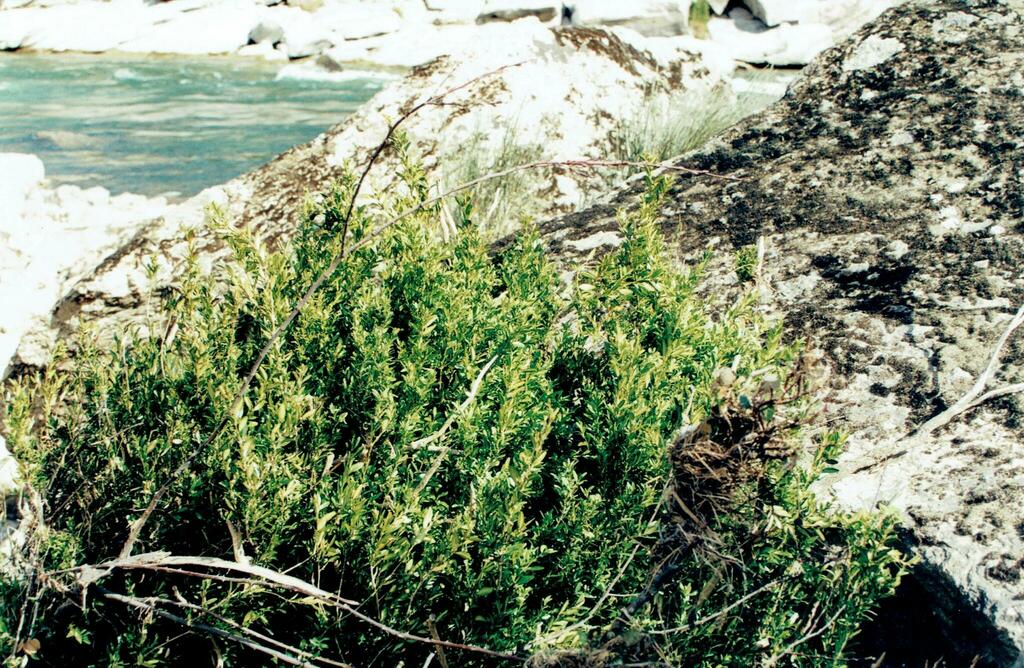
Le buis commun est un arbuste à feuillage persistant classique, parfait pour les haies formelles ou la topiaire. Il pousse lentement et conserve son feuillage dense et vert foncé toute l'année. Vous adorerez sa facilité à être façonné en lignes épurées pour votre jardin.
En un coup d'œil
- Niveau d'entretien
- Facile
- Type de plante
- Arbuste à feuillage persistant
- Lumière
- Plein soleil à mi-ombre
- Lumière en intérieur
- Lumière vive indirecte
- Arrosage
- Tous les 7 à 14 jours
- Taille adulte
- 15 à 20 pieds
- Croissance
- Lente
- Rusticité
- USDA 5 à 9
- Floraison
- Début à mi-printemps
Entretien
Gardez le sol constamment humide mais jamais détrempé pour éviter les problèmes de racines. Surveillez le jaunissement des feuilles, qui signale souvent un mauvais drainage ou une carence en nutriments. Une taille régulière aide à maintenir la forme souhaitée et encourage une croissance plus dense.
- Arrosage
- Arrosez abondamment chaque fois que le premier centimètre de sol est sec au toucher.
- Engrais
- Appliquez un engrais équilibré une fois au début du printemps, avant le début de la nouvelle croissance.
- Taille
- Taille légèrement à la fin du printemps ou en été pour maintenir la forme souhaitée.
- Rempotage
- Rempotez uniquement lorsque les racines ont rempli le pot ou que la plante arrête de pousser.
- Sol
- Terre franche fertile et bien drainée
- pH du sol
- 6.5 à 7.5
- Température
- -20 à 35°C
- Humidité
- 40 à 70%
- Résistance à la sécheresse
- Moyenne
- Durée de vie
- Vivace, peut vivre plus de 100 ans.
- Parfum
- Léger
- Résistance aux chevreuils et lapins
- Élevée
Signes qu'il faut rempoter
- Les racines sortent des trous de drainage
- L'eau traverse directement le pot
- Croissance ralentie pendant la saison active
Sécurité
- Humains
- La plante contient des alcaloïdes stéroïdiens qui provoquent de graves troubles gastro-intestinaux si elle est ingérée.
- Animaux
- Cette plante est toxique pour les chats et les chiens si ingérée.
- Enfants
- Tenez cette plante à l'écart des jeunes enfants car le feuillage est toxique s'il est mâché ou avalé.
- Allergènes de contact
- Les feuilles et la sève peuvent provoquer une légère irritation cutanée ou une dermatite chez les personnes sensibles.
- Allergènes aéroportés
- Le pollen est considéré comme un allergène léger pour certaines personnes pendant la floraison printanière.
- Comestibilité
- Toutes les parties de la plante de buis sont toxiques si ingérées et ne doivent jamais être consommées.
Comment l'identifier
- Petites feuilles vert foncé, brillantes
- Feuilles opposées sur les tiges
- Port de croissance dense et arrondi
- Petites fleurs jaunes discrètes
- Hauteur
- 1,5 à 6m
- Envergure
- 1,5 à 4,5m
- Feuilles
- vert foncé, evergreen
- Fleurs
- jaune, vert, 0,5 à 1cm
- Fruits
- brun, fin d'été
Problèmes à surveiller
- Cylindrocladiose du buisCourant
- MineusesCourant
- Brûlures du feuillagePeu courant
- Pourriture des racinesPeu courant
- Chancre du buis — Une infection fongique provoquant une chute rapide des feuilles et des lésions noires sur les tiges.
- Mouche mineuse du buis — De petites larves qui se nourrissent à l'intérieur des feuilles, provoquant un jaunissement et des cloques.
Par symptôme
Vérifie la santé de ta plante en photo
Pocket Botanist analyse une photo de ta plante et te dit ce qui ne va pas et quoi essayer en premier.
La cultiver
- Multiplication
- boutures, graines
- Quand planter
- printemps, automne
- Hivernage
- Dans les climats froids, assurez-vous que le sol est bien paillé pour protéger les racines du gel profond. Évitez la taille sévère tard dans la saison pour éviter que la nouvelle croissance ne soit endommagée par le gel.
- En pot
- Le buis est excellent pour les conteneurs, mais assurez-vous que le pot mesure au moins 40 cm de large pour accueillir la croissance des racines.
Boutures semi-aoûtées
- Prenez des boutures de 10 cm à la fin de l'été.
- Retirez les feuilles inférieures.
- Trempez la base dans de l'hormone d'enracinement.
- Placez dans un mélange de terreau bien drainé.
- Gardez humide et à la lumière vive et indirecte.
Associez le buis à des plantes qui préfèrent des niveaux de pH du sol similaires pour assurer une croissance saine de toutes les espèces.
Bonnes associations
- lavande anglaise — Offre un beau contraste de couleurs et prospère dans des conditions de sol similaires.
- Hosta — Complète le feuillage sombre du buis dans les parterres de jardin ombragés.
Espèces similaires
- Buis à petites feuilles — Une alternative plus petite et plus compacte avec des caractéristiques persistantes similaires.
Science
- Famille
- Buxaceae
- Genre
- Buxus
- Ordre
- Buxales
- Classe
- Magnoliopsida
- Région d'origine
- Europe occidentale et méridionale, Afrique du Nord et Asie occidentale.
- Préservation
- Actuellement pas une préoccupation de conservation.
Il se trouve naturellement dans les sols rocheux calcaires et les sous-bois où il persiste à mi-ombre.
- Intérêt pour la faune
- source de nectar précoce en saison
- Pollinisateurs
- abeilles
- Utilisations
- haie formelle, topiaire, jardinage en conteneur, élément structurel de jardin
Au fil des saisons
Repères écologiques
- Salinité
- 2/9
- Lumière
- 5/9
- Nutriments
- 5/9
- Réaction du sol
- 7/9
- Température
- 5/9
- Humidité
- 5/9
Taxonomie vérifiée avec le GBIF.
Ce qu'on demande souvent
- Puis-je faire pousser du buis en pot ?
- Oui, ils prospèrent dans les conteneurs à condition que le pot ait un excellent drainage.
- À quelle fréquence dois-je tailler ?
- Taillez une ou deux fois par an pour maintenir la forme désirée.
D'où vient le nom
Le nom du genre Buxus est le nom latin classique du buis, tandis que sempervirens signifie toujours vert, faisant référence à sa nature persistante.
Bon à savoir
- Le bois de buis est extrêmement dense et a été historiquement utilisé pour les blocs de gravure sur bois.
- Les plantes peuvent vivre plus d'un siècle si elles sont correctement entretenues.
- Ils sont remarquablement tolérants à l'ombre par rapport à de nombreux autres arbustes à feuilles persistantes.
Aussi dans
Garde ta plante en pleine forme
Cette page est un guide général. Enregistre ta plante dans Pocket Botanist et tu reçois des rappels d'entretien adaptés à cette plante, ainsi qu'un historique d'entretien qui montre ce qui a marché.
Ce guide a été généré par IA et vérifié avec la taxonomie du GBIF. Il s'agit d'informations générales, et non de conseils horticoles ou vétérinaires. Découvre comment nous concevons ces guides.