 Pocket Botanist
Guía de plantas
Grass tree.
Xanthorrhoea preissii
Pronunciación zan-thor-REE-uh PREE-see-eye
También se conoce como Balga



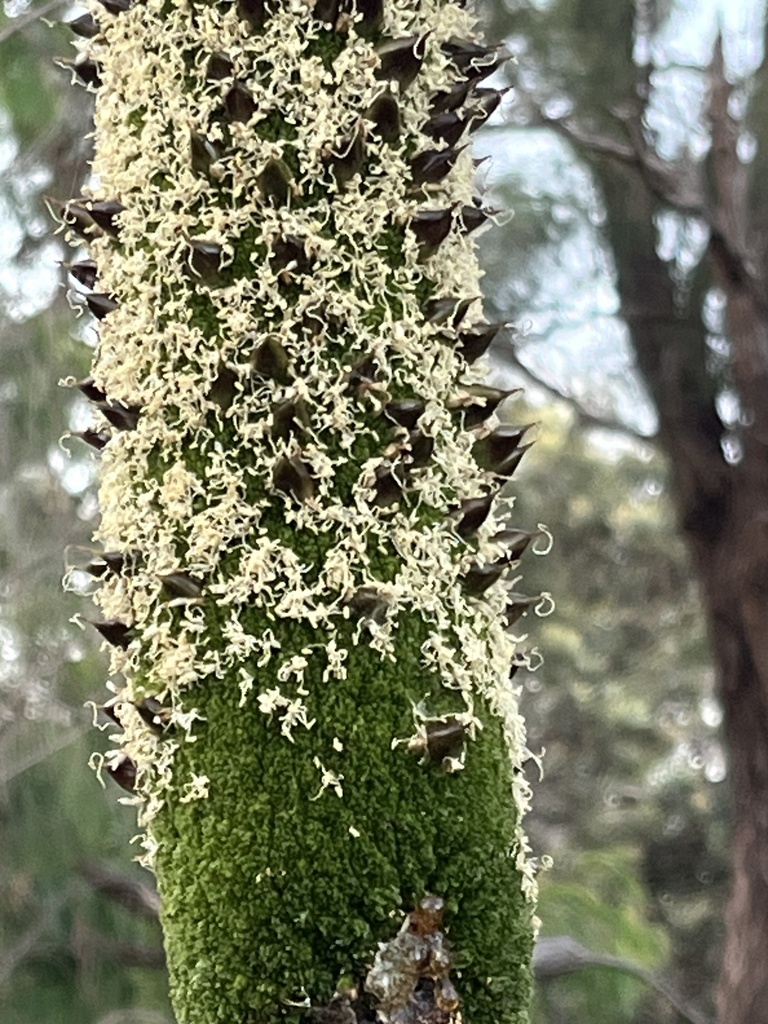
This iconic Australian native is a slow growing plant that develops a thick, blackened trunk over many years. It produces a tall, dramatic flower spike that can reach several feet in height. You will love how it adds a unique, architectural look to your garden.
De un vistazo
- Nivel de cuidados
- Media
- Tipo de planta
- Perennial shrub
- Luz
- Full sun
- Luz en interior
- Sol directo
- Riego
- Cada 14 a 30 días
- Tamaño adulto
- 3 to 5 meters
- Ritmo de crecimiento
- Lento
- Rusticidad
- USDA 9 a 11
- Floración
- Winter to spring
Cuidados
Ensure the soil drains exceptionally well to prevent root rot, as these plants are very sensitive to excess moisture. Watch for yellowing leaves or a soft trunk, which are clear signs of overwatering. They thrive best when left undisturbed in a sunny spot.
- Riego
- Water sparingly, allowing the soil to dry out completely between sessions.
- Abonado
- Use a low phosphorus native plant fertilizer during the growing season.
- Poda
- Only remove dead, brown leaves from the base of the crown.
- Trasplante
- These plants dislike root disturbance, so only repot when absolutely necessary.
- Suelo
- Sandy, well draining soil
- pH del suelo
- Acidic to neutral
- Temperatura
- -5 a 40°C
- Humedad
- 20 a 60%
- Tolerancia a la sequía
- Alta
- Longevidad
- Perennial, can live for several hundred years.
- Fragancia
- Suave
- Resistencia a ciervos y conejos
- Alta
Señales de que necesita trasplante
- Roots growing out of the drainage holes.
- Water sitting on the surface for too long.
- The plant appears stunted or stops growing.
Seguridad
- Personas
- The resin is generally considered non-toxic, but ingestion is not recommended.
- Niños
- The stiff, needle-like leaves are sharp and pose a puncture risk to small children.
- Alérgenos por contacto
- The sharp, stiff leaf tips can cause mechanical skin irritation.
- Alérgenos en el aire
- The pollen produced during flowering can trigger mild allergic reactions in sensitive individuals.
- Comestibilidad
- The plant is not considered edible and should not be consumed.
Cómo identificarla
- Long, thin, grass like leaves
- Thick, blackened, resinous trunk
- Tall, cylindrical flower spikes
- Dense, rounded foliage crown
- Altura
- 1,5 a 3m
- Anchura
- 1 a 2m
- Hojas
- green, blue-green, evergreen
- Flores
- cream, white, 1 a 2cm
- Frutos
- brown, Summer
Problemas frecuentes
- Root rot — Fungal decay caused by overly wet soil conditions.
Cómo cultivarla
- Propagación
- seed
- Cuándo plantar
- spring, autumn
- Cuidados en invierno
- Ensure the plant is kept in a frost-free environment if temperatures drop below freezing. Keep the soil very dry during the winter months to prevent rot.
- En maceta
- It can be grown in large, deep pots with excellent drainage, but prefers being planted in the ground.
Seed propagation
- 1. Collect mature seeds from the dry flower spike.
- 2. Sow seeds in a well-draining sandy potting mix.
- 3. Keep the soil lightly moist until germination occurs.
- 4. Transplant seedlings carefully once they are large enough to handle.
Group with other drought-tolerant Australian natives to ensure consistent water needs.
Buenas compañeras
- Banksia — They share similar requirements for well-draining, nutrient-poor soil.
- Anigozanthos — They provide a striking textural contrast in dry, sunny gardens.
Especies parecidas
- Xanthorrhoea australis — It is a closely related species with a similar growth habit and appearance.
Ciencia
- Familia
- Asphodelaceae
- Género
- Xanthorrhoea
- Orden
- Asparagales
- Clase
- Liliopsida
- Distribución natural
- Southwestern Australia
- Conservación
- This species is protected in its native range and wild collection is strictly regulated.
It is a fire-adapted species that relies on periodic burning to clear competition and stimulate flowering.
- Valor para la fauna
- nectar source, habitat for insects
- Polinizadores
- abejas, mariposas, escarabajos
- Usos
- ornamental specimen, xeriscaping, coastal garden
A lo largo del año
Indicadores ecológicos
- Salinidad
- 4/9
- Reacción del suelo
- 5/9
- Luz
- 8/9
- Temperatura
- 7/9
- Humedad
- 2/9
- Nutrientes
- 1/9
Taxonomía cotejada con GBIF.
Lo que más preguntan
- How fast does it grow?
- It is extremely slow, growing only 1 to 2 centimeters of trunk per year.
- Does it need fertilizer?
- It is adapted to nutrient-poor soils and generally does not require supplemental feeding.
De dónde viene el nombre
The genus name comes from the Greek words for yellow and flow, referring to the resin. The specific epithet honors the German botanist Ludwig Preiss.
Bueno saberlo
- It is commonly known as a grass tree.
- The trunk is actually a dense accumulation of old leaf bases and resin.
- It often flowers more prolifically following a bushfire.
- The resin was historically used as a glue by Indigenous Australians.
También en
¿Tu grass tree tiene mal aspecto?
Esta página es una guía general. Pocket Botanist diagnostica problemas a partir de una foto de tu propia planta, calcula el riego según tu luz y tus condiciones, y te avisa cuando toca cuidarla.
Esta guía se ha generado con IA y se ha cotejado con la taxonomía de GBIF. Es información general, no asesoramiento botánico ni veterinario. Descubre cómo elaboramos estas guías.